Early Years Curriculum
Our We All Belong values are embedded in all that we do and are celebrated throughout the whole school community.
Every child who starts in Nursery or Reception at North Beckton is beginning an exciting learning journey. In the Early Years Foundation Stage (EYFS), we start that journey by creating an environment where respect, a willingness to learn and achievement are valued above everything else. Children learn by exploring and discovering through a play-centred approach.
Our Early Years curriculum is based on the principles of child development and the educational programmes in the EYFS statutory framework. It is planned to lead smoothly into the National Curriculum in Key Stage 1, and Reception and Year 1 staff work together throughout the year to make sure children move into Year 1 confidently.
The seven areas of learning
Our learning environments are organised around the seven areas of learning. All seven are connected and equally important.
Prime areas
- Communication and Language (listening, attention and understanding; speaking)
- Personal, Social and Emotional Development (self-regulation; managing self; building relationships)
- Physical Development (gross motor skills; fine motor skills)
Specific areas
- Literacy (comprehension; word reading; writing)
- Maths (number; numerical patterns)
- Understanding the World (past and present; people, culture and communities; the natural world)
- Expressive Arts and Design (creating with materials; being imaginative and expressive)
Across all areas, we help children to play and explore, to be active learners, and to create and think critically.
Open each section below to find out what children learn, see some of our recent learning, and get ideas to try at home.
Communication and Language
Children experience a rich language environment, build confidence and skill in expressing themselves, and speak and listen in a range of situations.
Recent learning
Reception – Spring 2
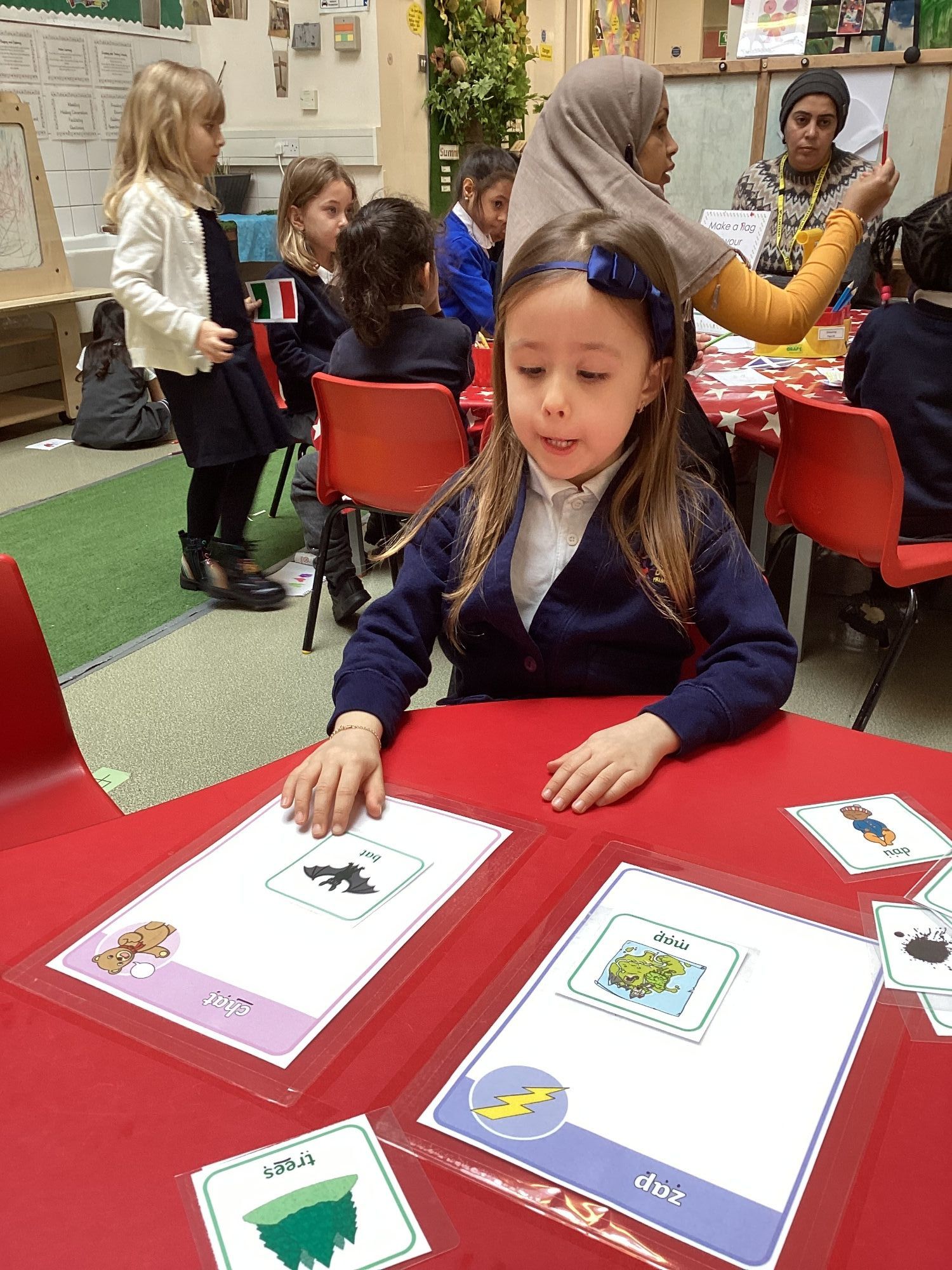
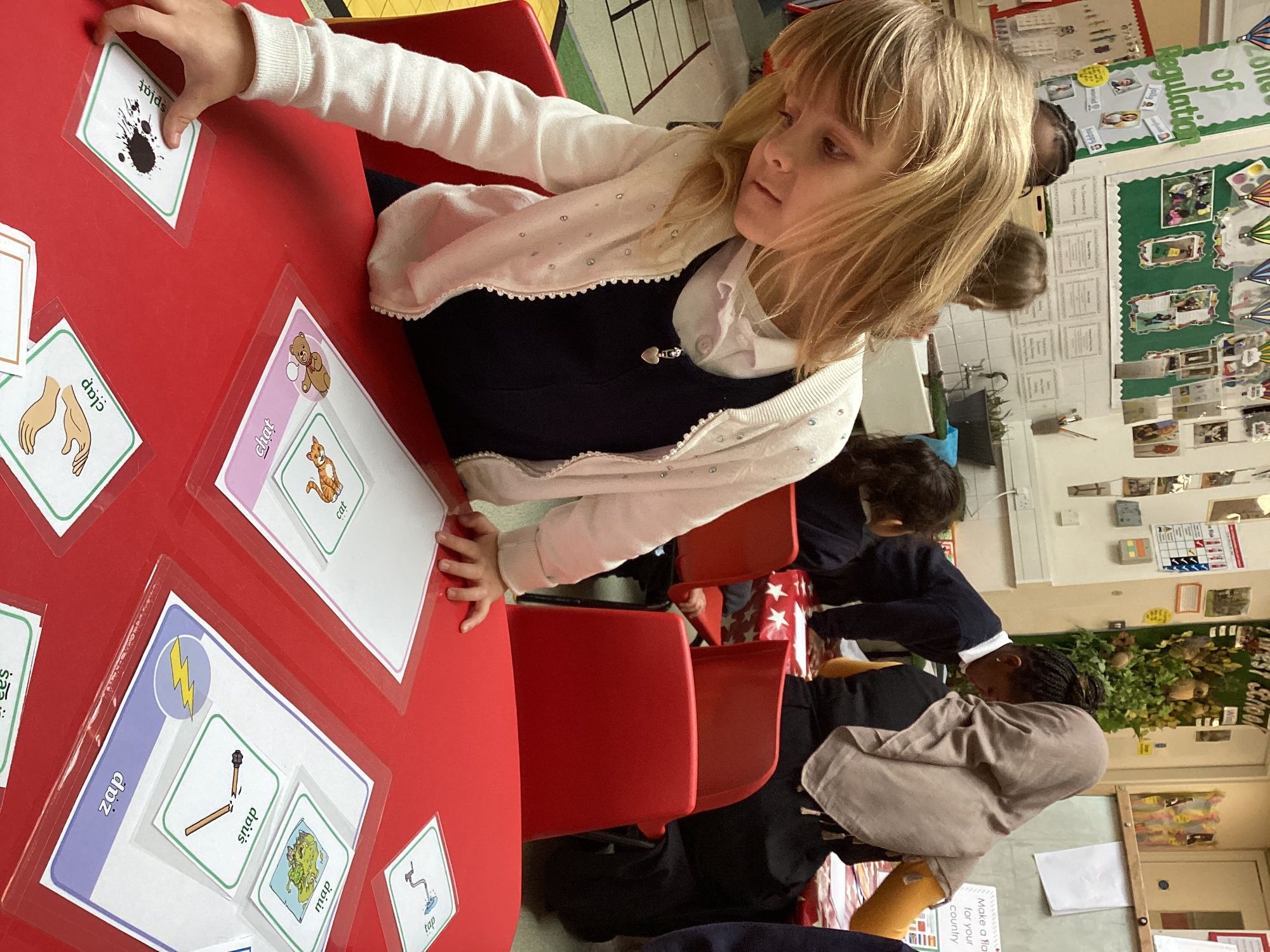
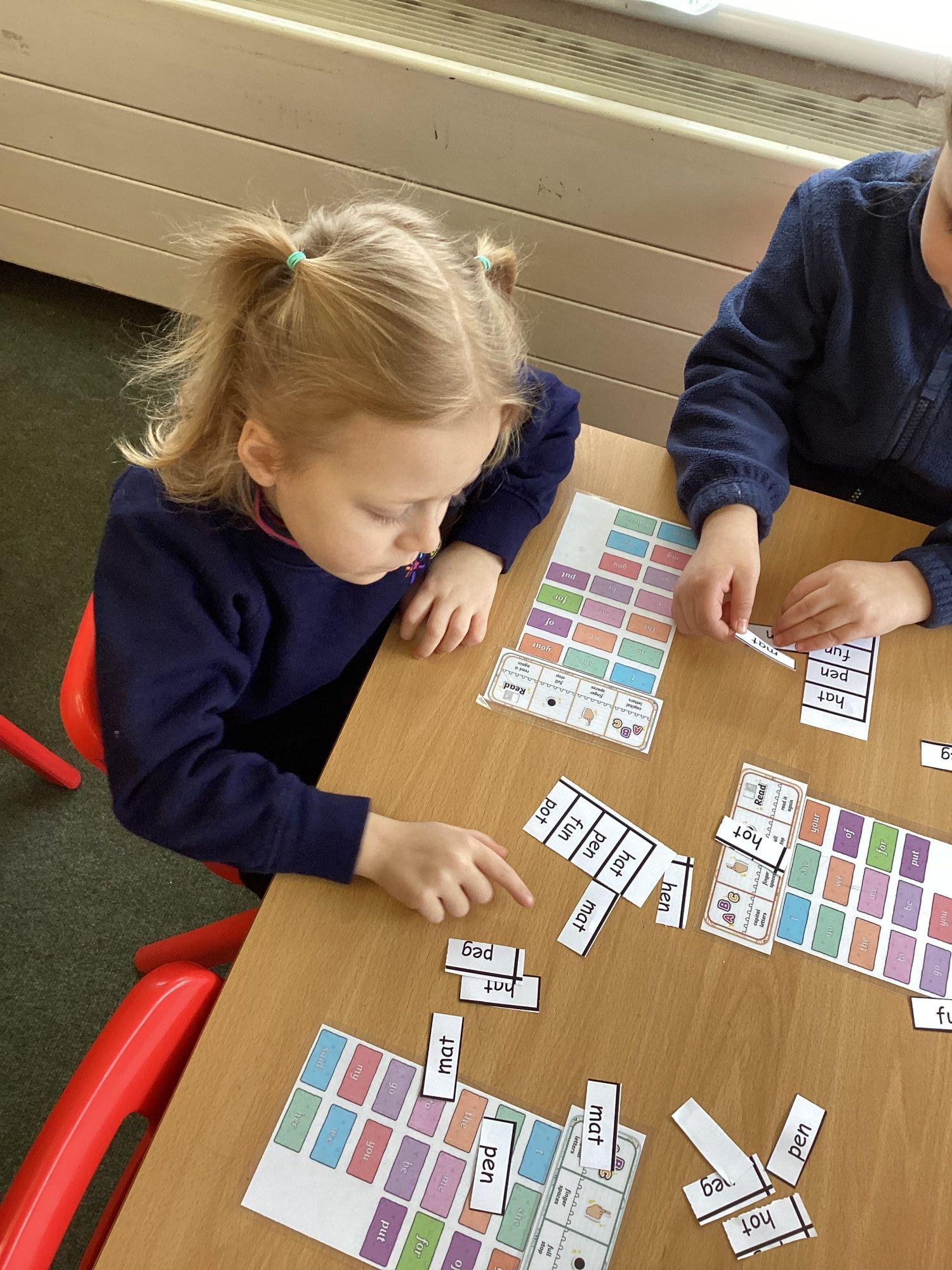
We have been learning about poetry. We really enjoyed reading Michael Rosen’s rhyming poem Oh Dear. To practise our rhyming skills, we matched words that rhyme, using our phonics to help us.
Reception – Autumn
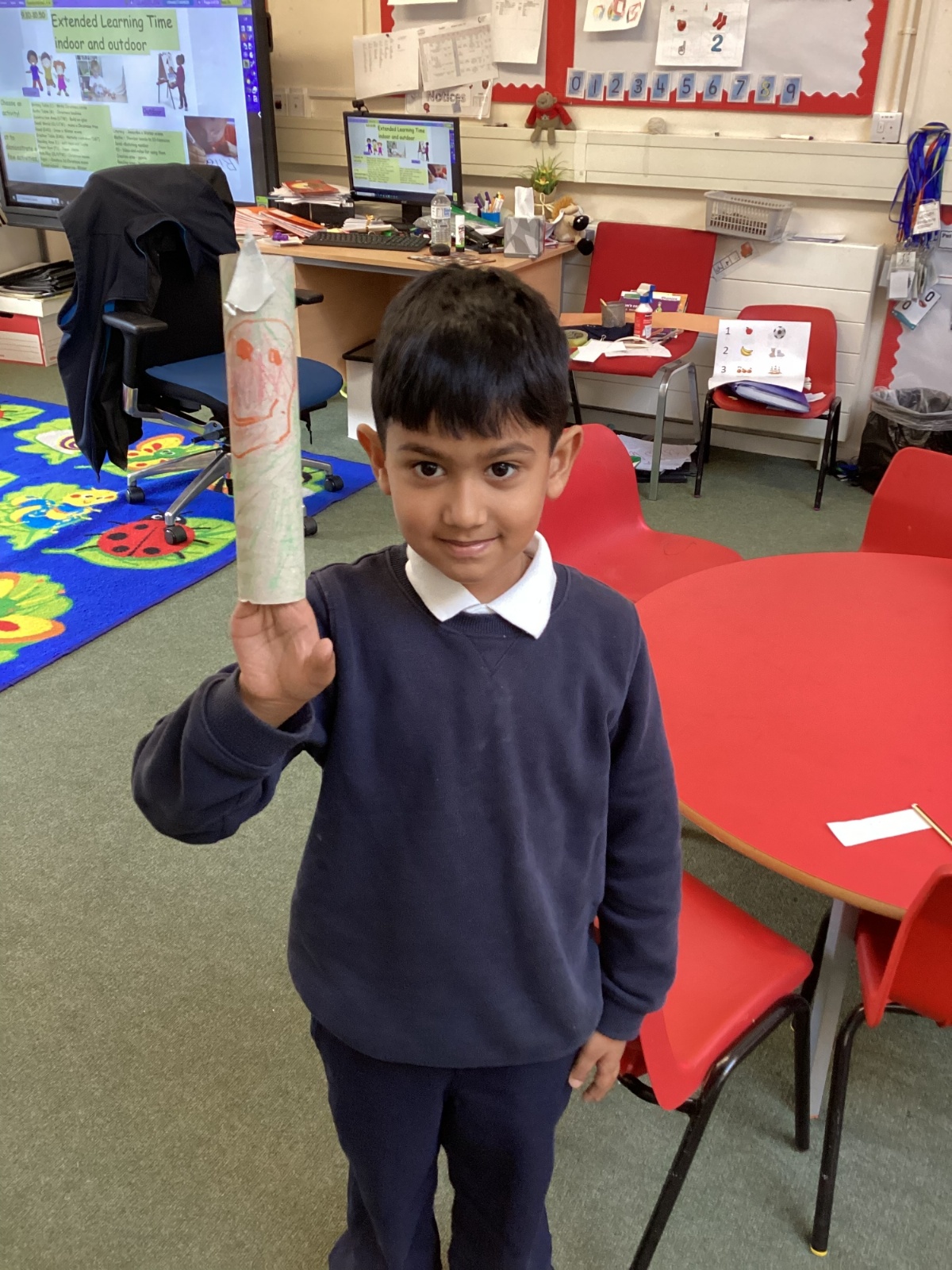
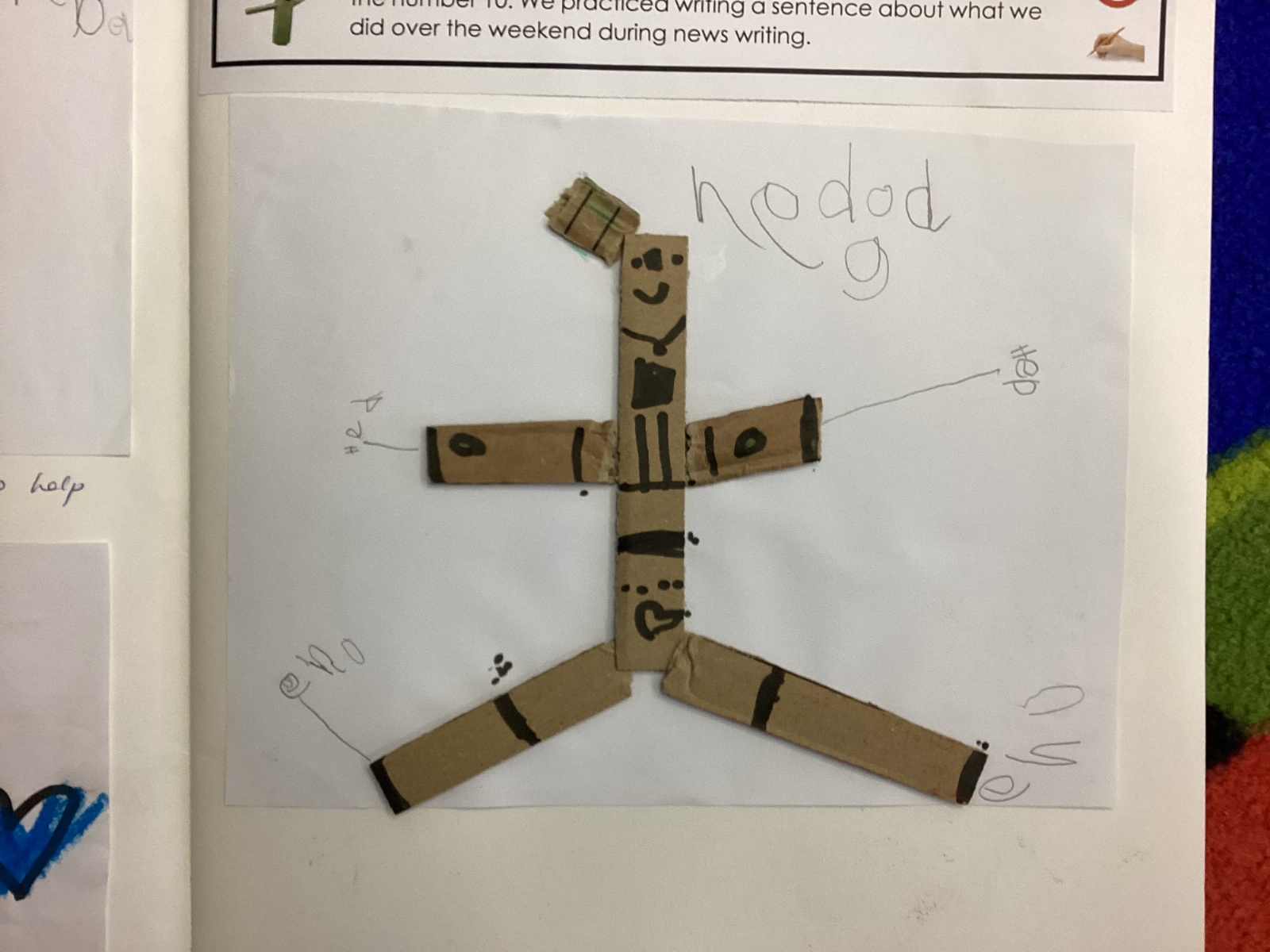
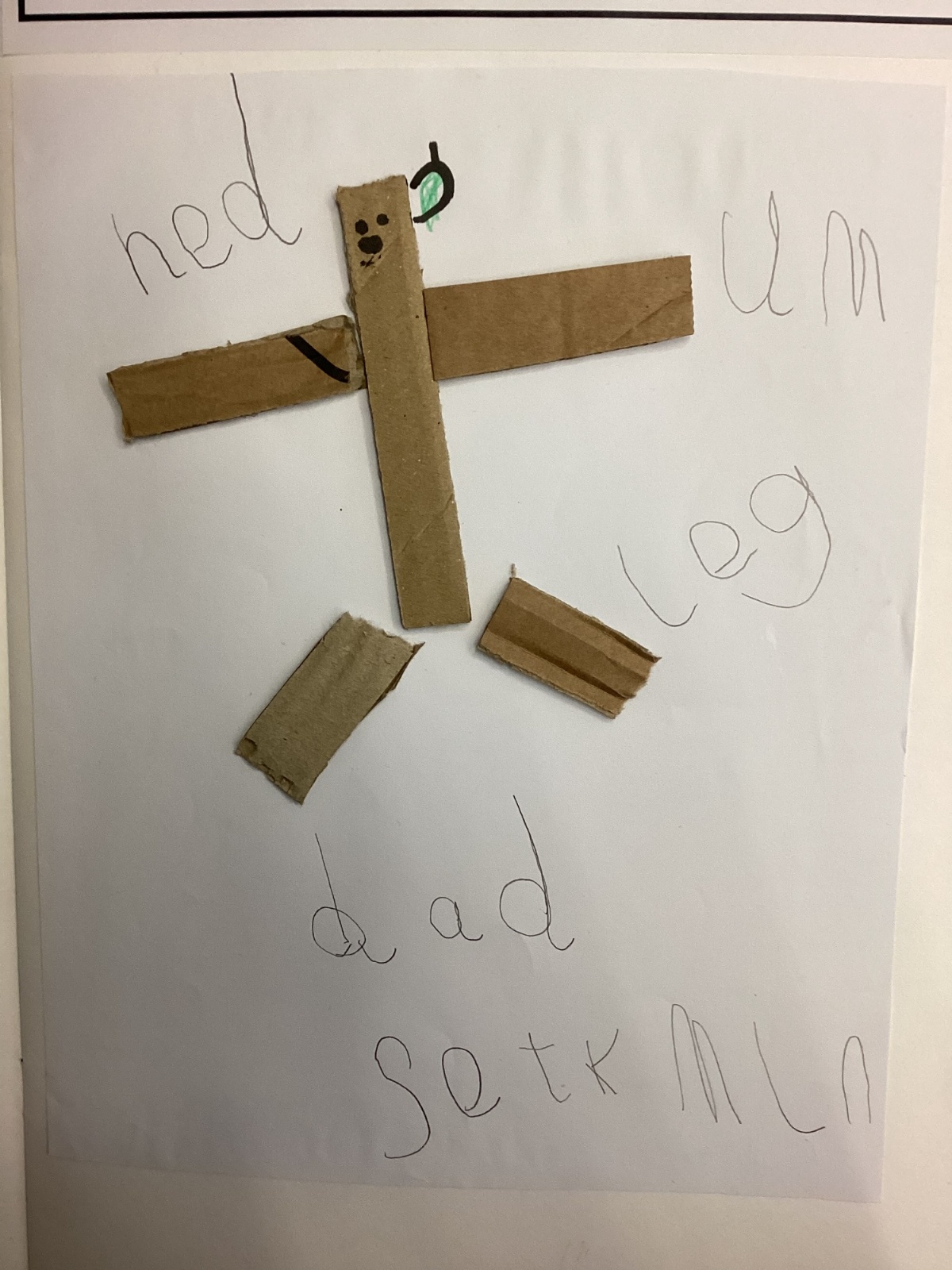
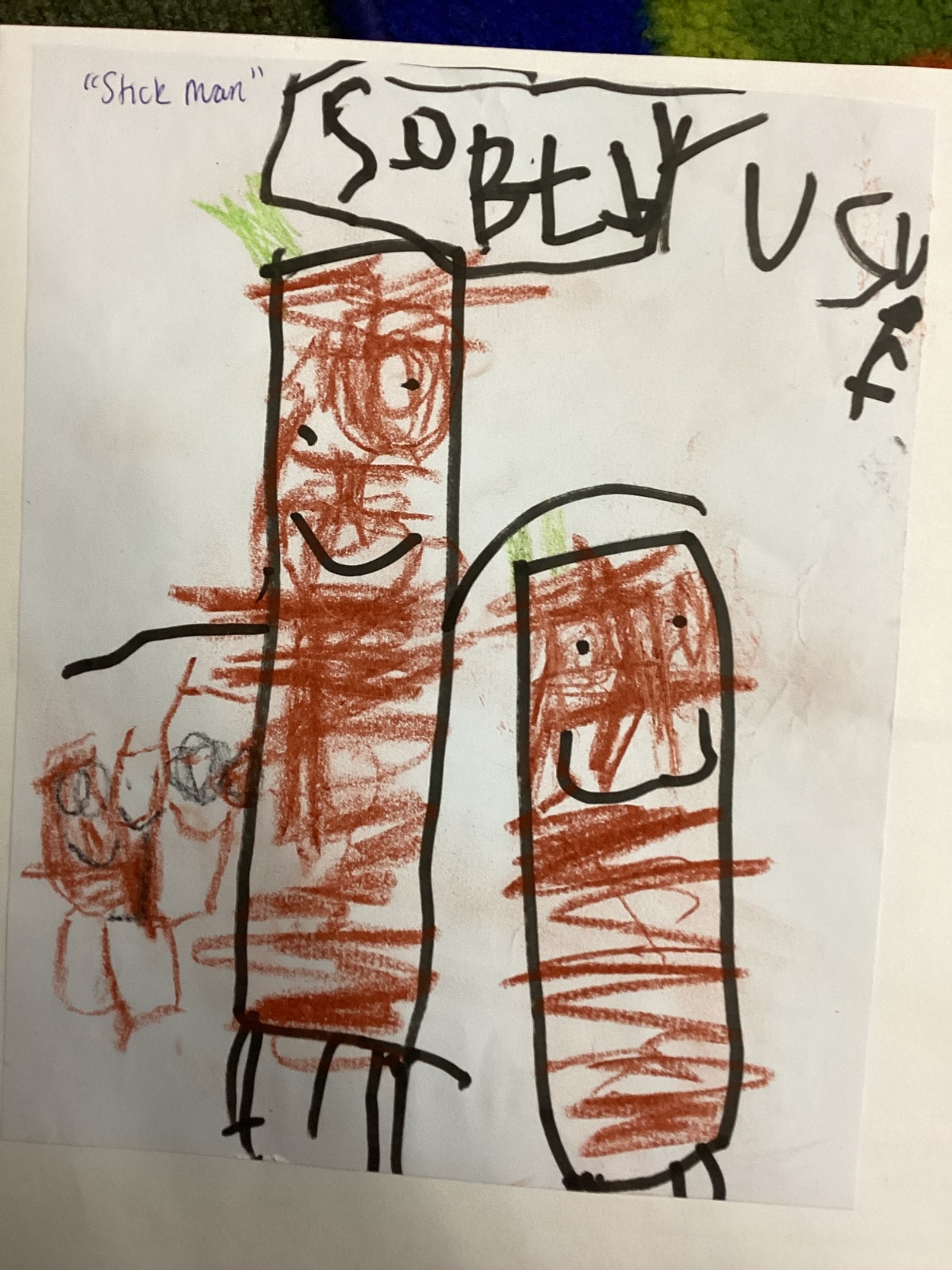
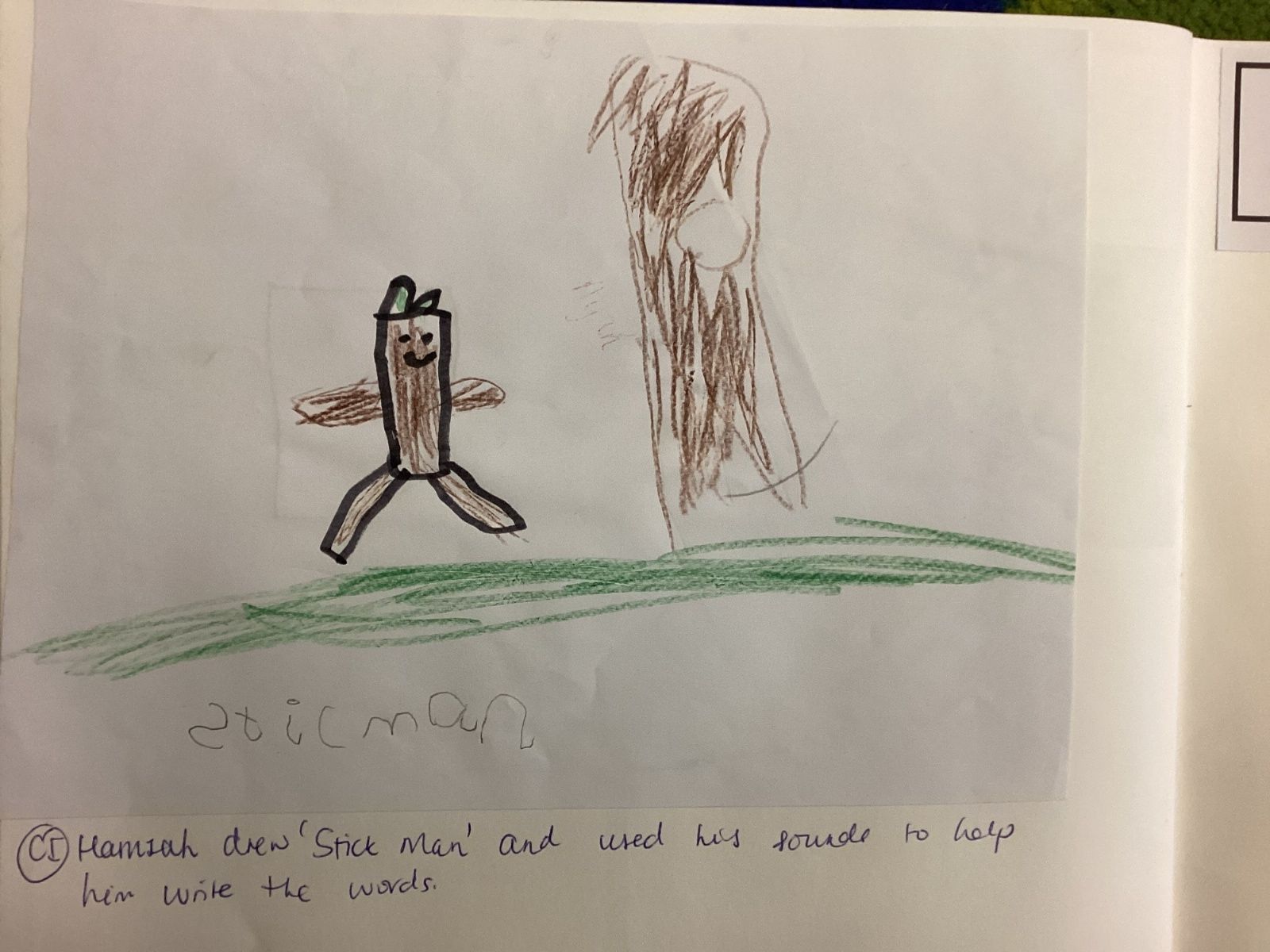
We have been learning about Stick Man by Julia Donaldson. We drew and made Stick Man using different materials, and labelled our pictures using our sounds from phonics.
Ideas to try at home
- Talk to your child while you do everyday jobs, travel or go shopping, telling them what you are doing. Encourage them to ask questions to build their vocabulary.
- Ask your child to tell you about what they are doing, and show them you are listening.
- Read stories together and talk about the books you have shared.
Personal, Social and Emotional Development
Children develop a positive sense of themselves and others, form positive relationships, learn social skills and how to manage their feelings, understand how to behave in a group, and grow in confidence.
Ideas to try at home
- Praise your child for trying hard.
- Encourage your child to mix with other children and adults, and to share their toys.
- Set clear boundaries for behaviour, and praise your child when they do as they are asked.
- Encourage independence – help your child learn to get dressed, wash and use the toilet.
- Play games together and encourage your child to take turns.
Physical Development
Children are active and interactive, developing their co-ordination, control and movement. They also learn about the importance of physical activity and making healthy food choices.
Recent learning
Reception – Spring 2
We have been learning to throw and catch different PE equipment. We learnt that you need to look at the person throwing to you and have your hands ready to catch.
Reception – Spring 1
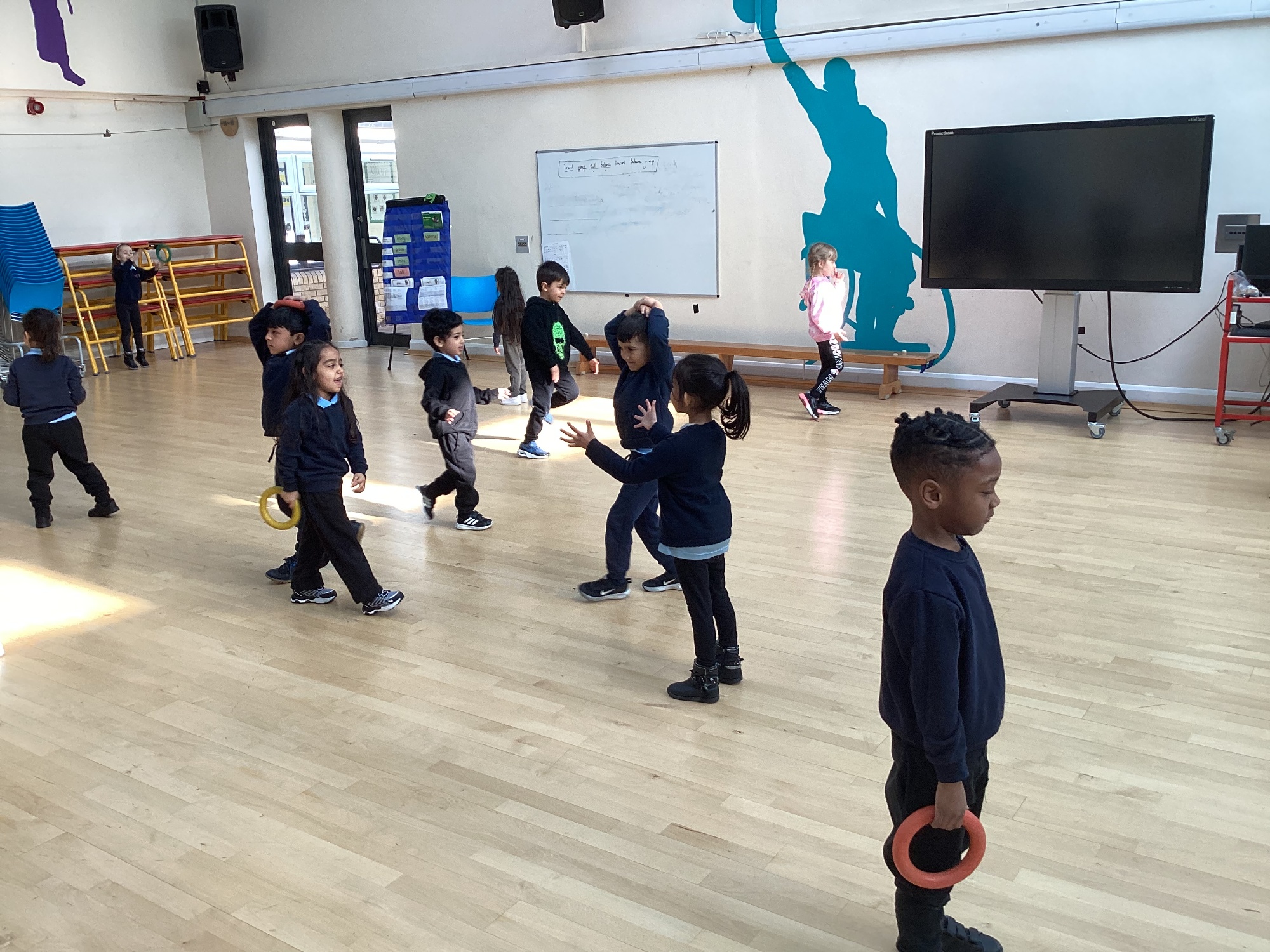
We have been learning dance skills in PE. We listened to some of our favourite nursery rhymes and made up a dance to The Wheels on the Bus. We learnt that the speed of a dance can show whether it is a happy or a sad dance.
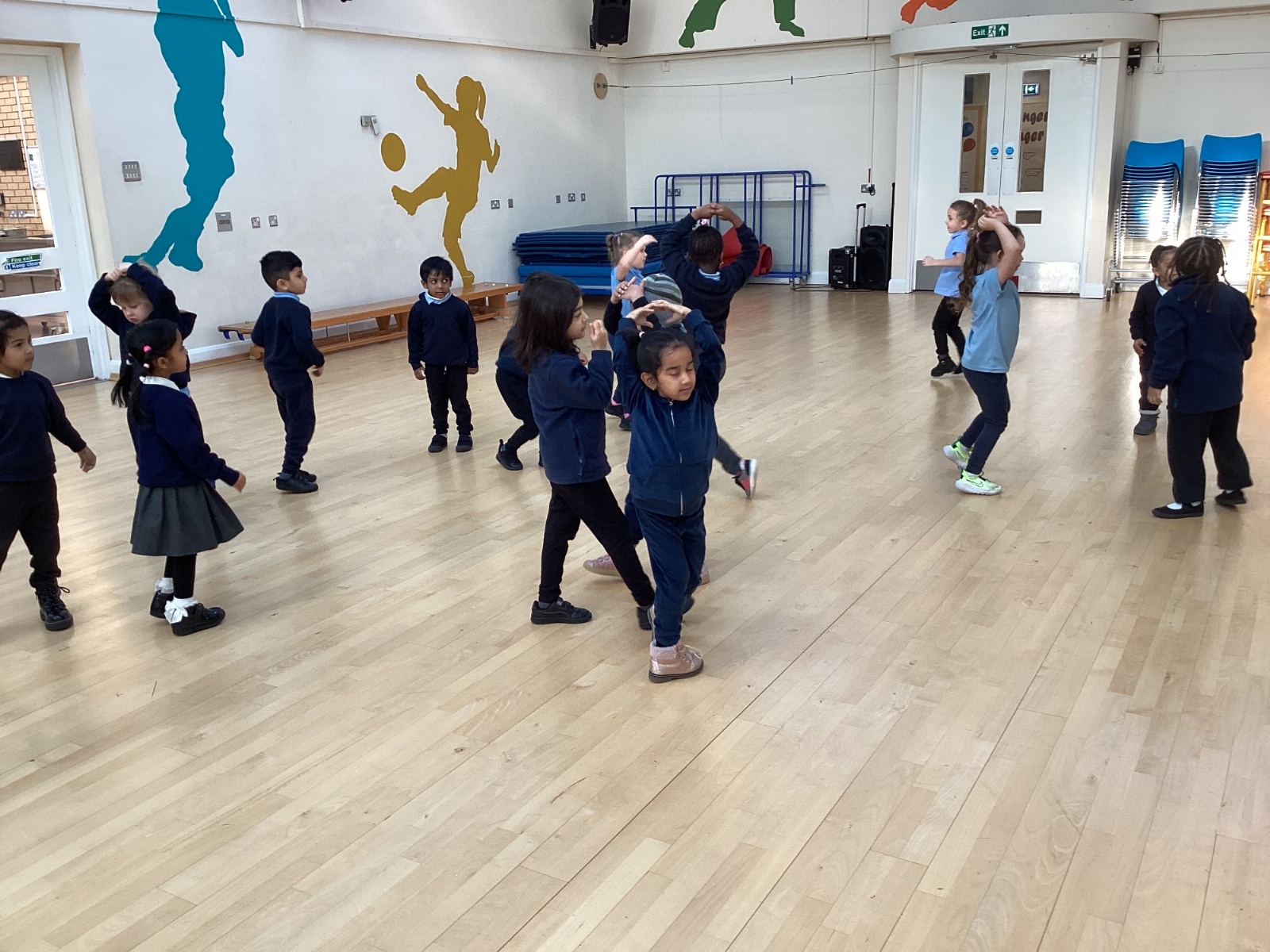
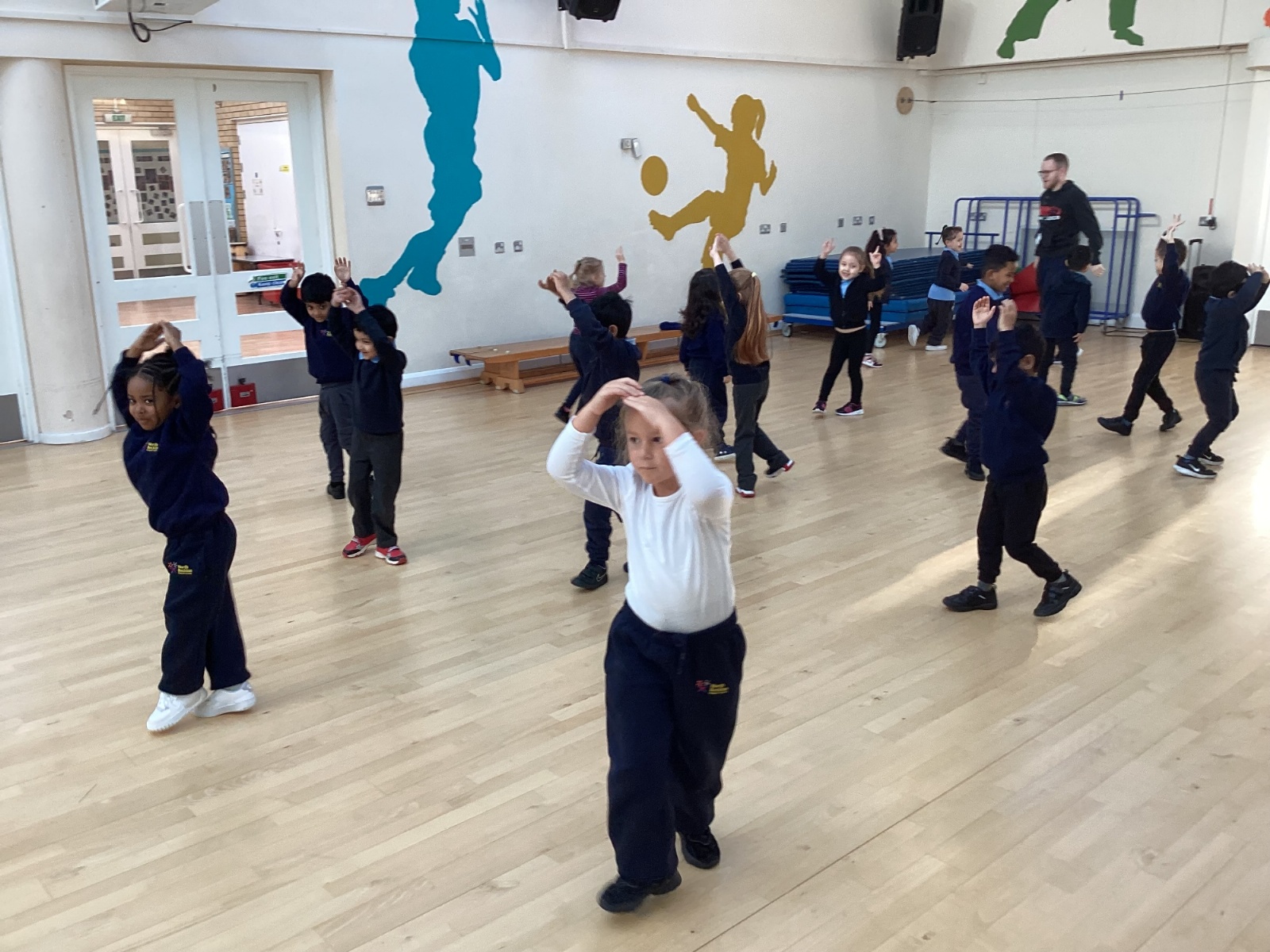
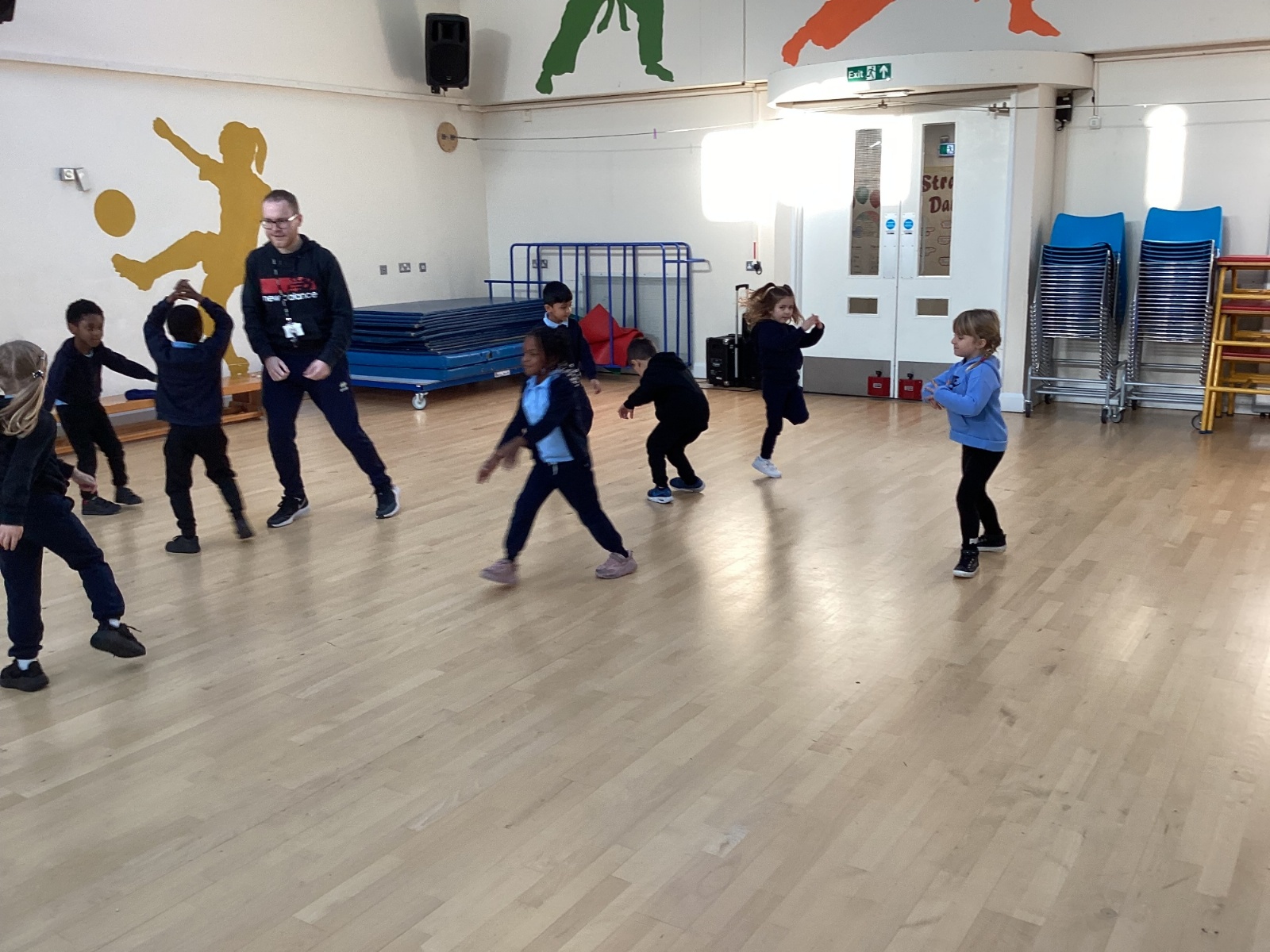
We have also been improving our hand–eye co-ordination by playing ball games and practising throwing and catching.
Ideas to try at home
- Go for walks, and play in the garden or the park.
- Help your child to use a knife and fork.
- Teach them how to do up zips and buttons.
- Play throwing, catching, rolling and kicking games with a ball.
- Let your child take safe risks and learn their own limits.
- Show your child how to wash their hands properly and talk about why it matters.
Literacy
Children learn to link sounds and letters and begin to read and write. They have access to a wide range of books, poems and other reading materials to spark their interest.
Recent learning
Reception – Spring 2
We have been reading Six Dinner Sid. We wrote sentences to describe Sid the cat and some of our own pets.
Nursery – Spring 2
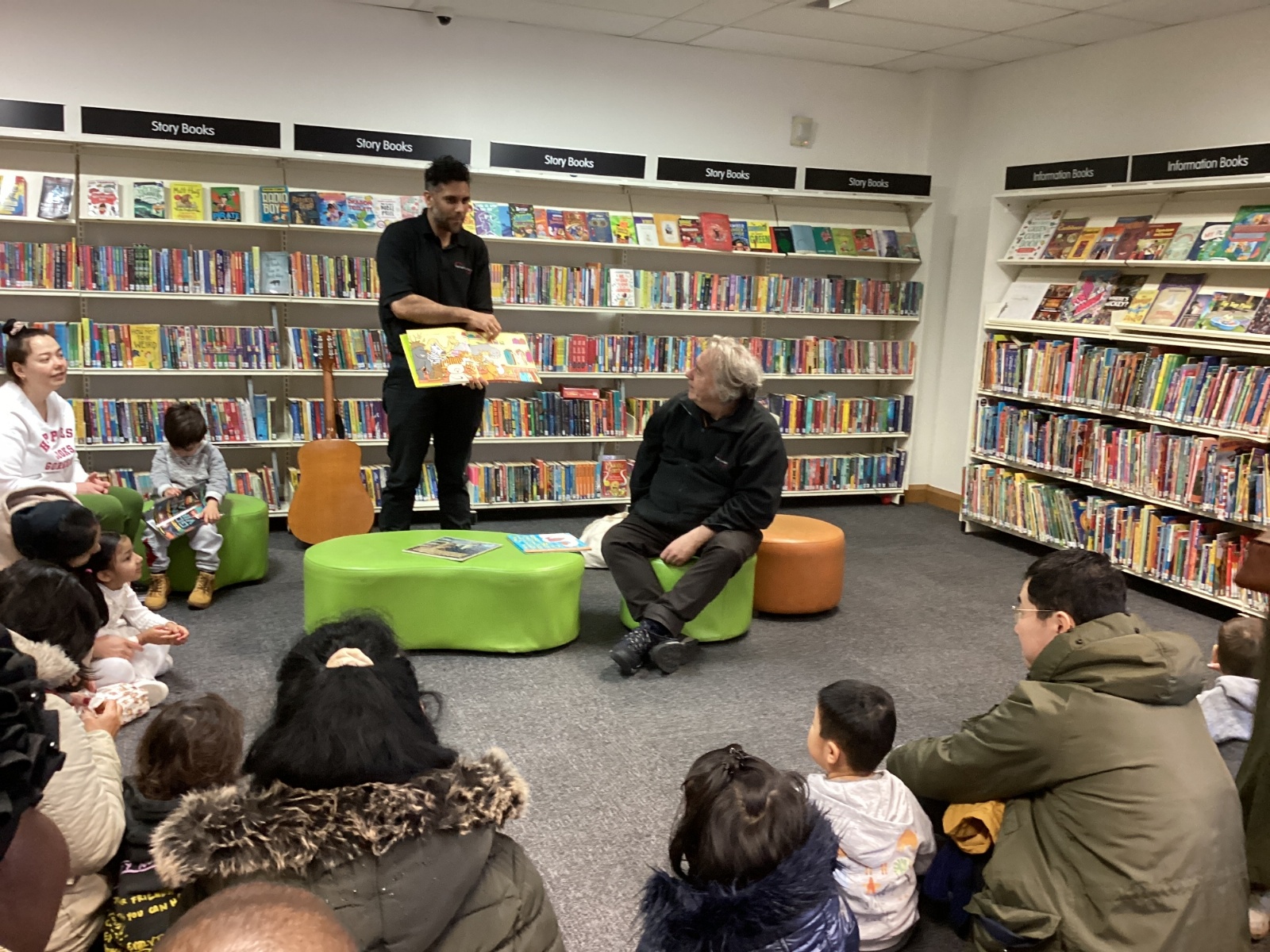
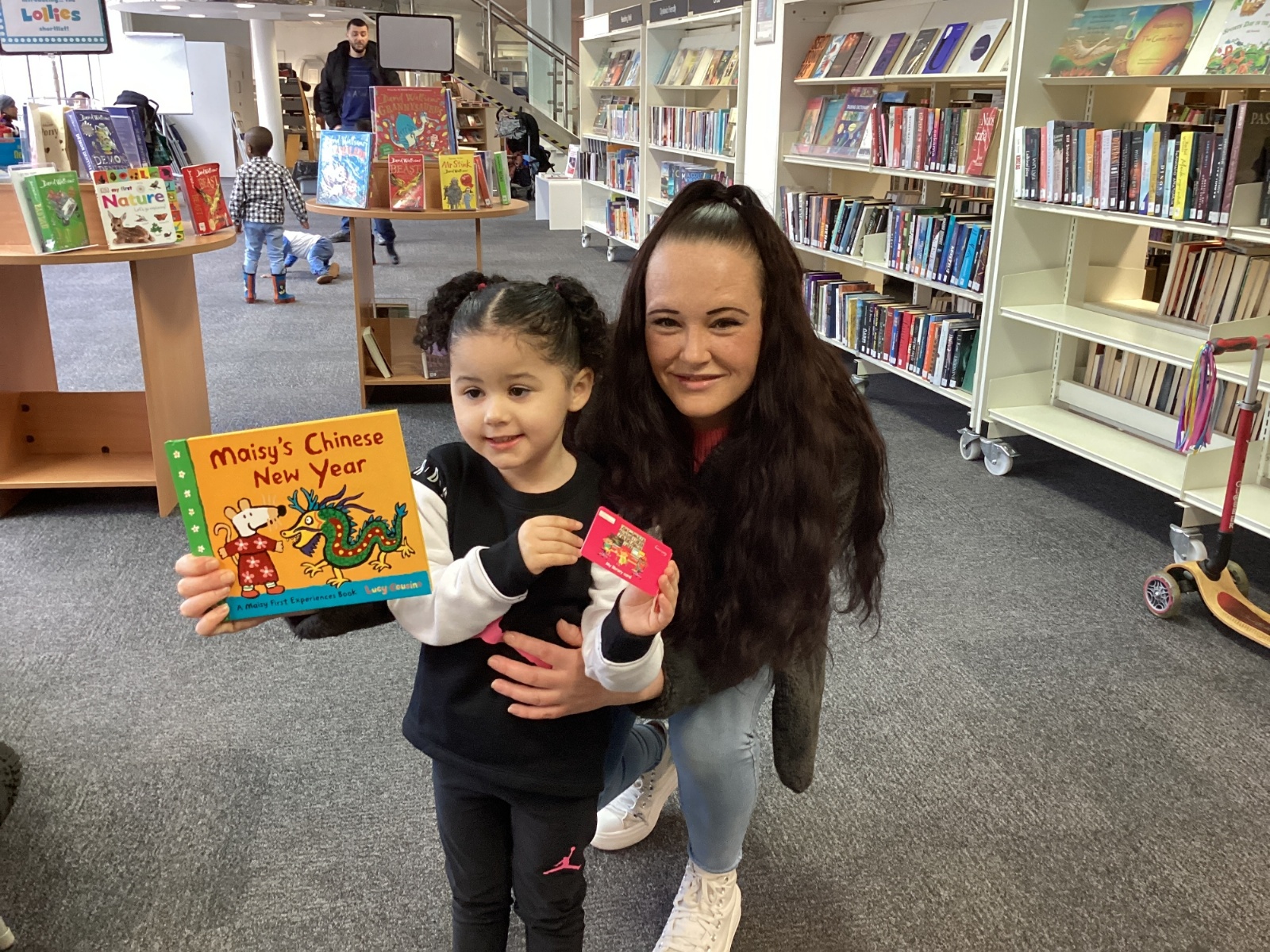
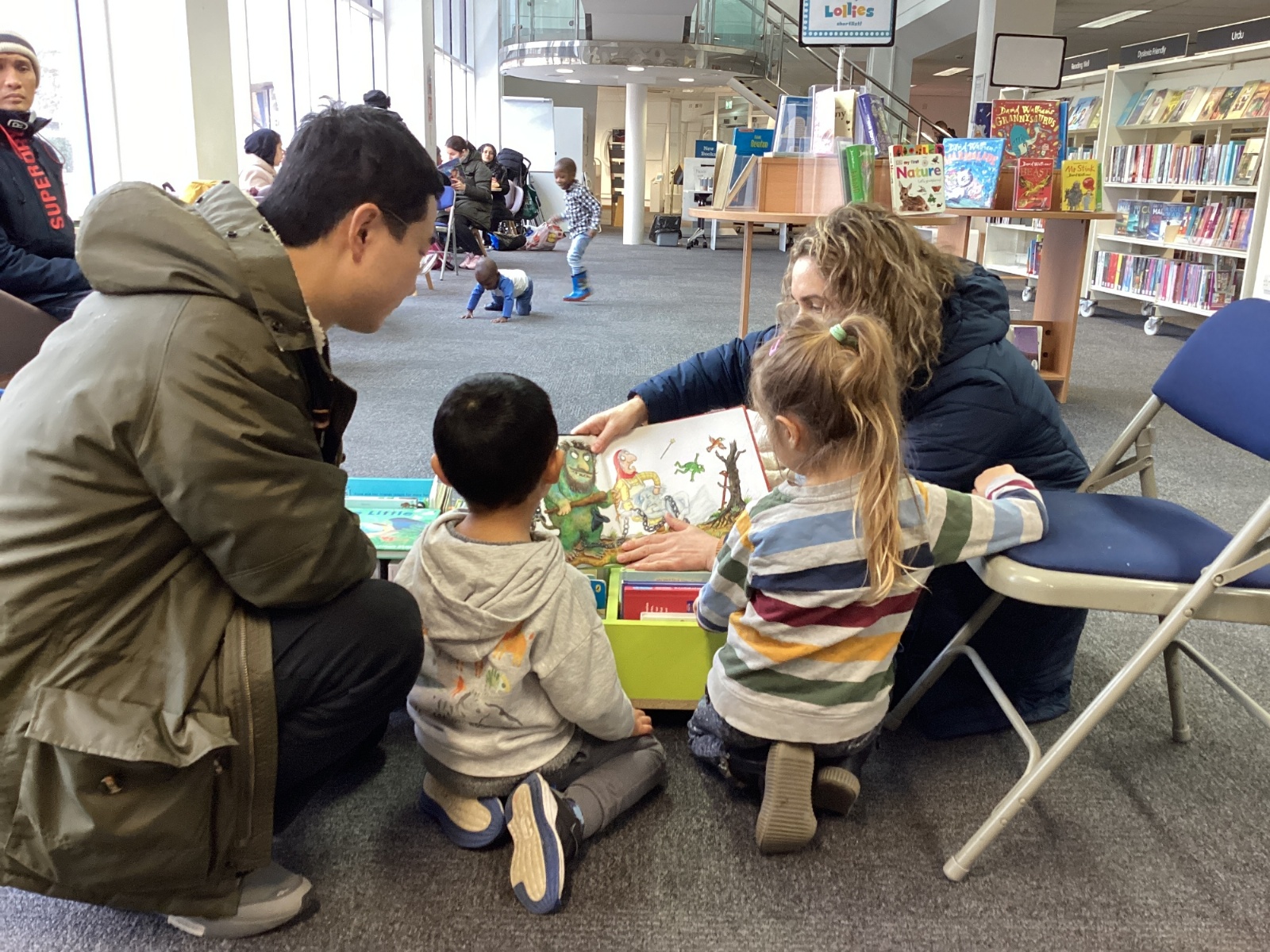
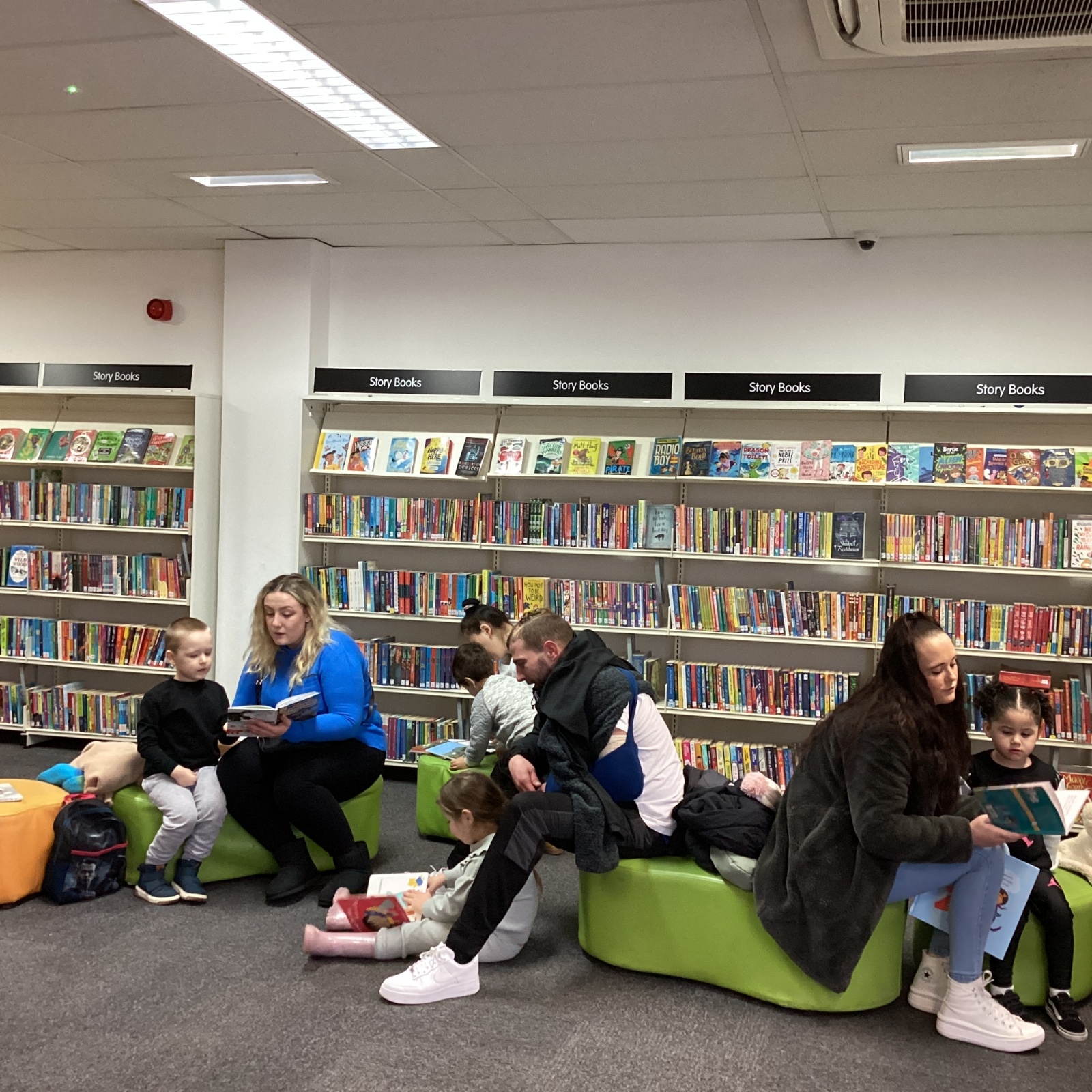
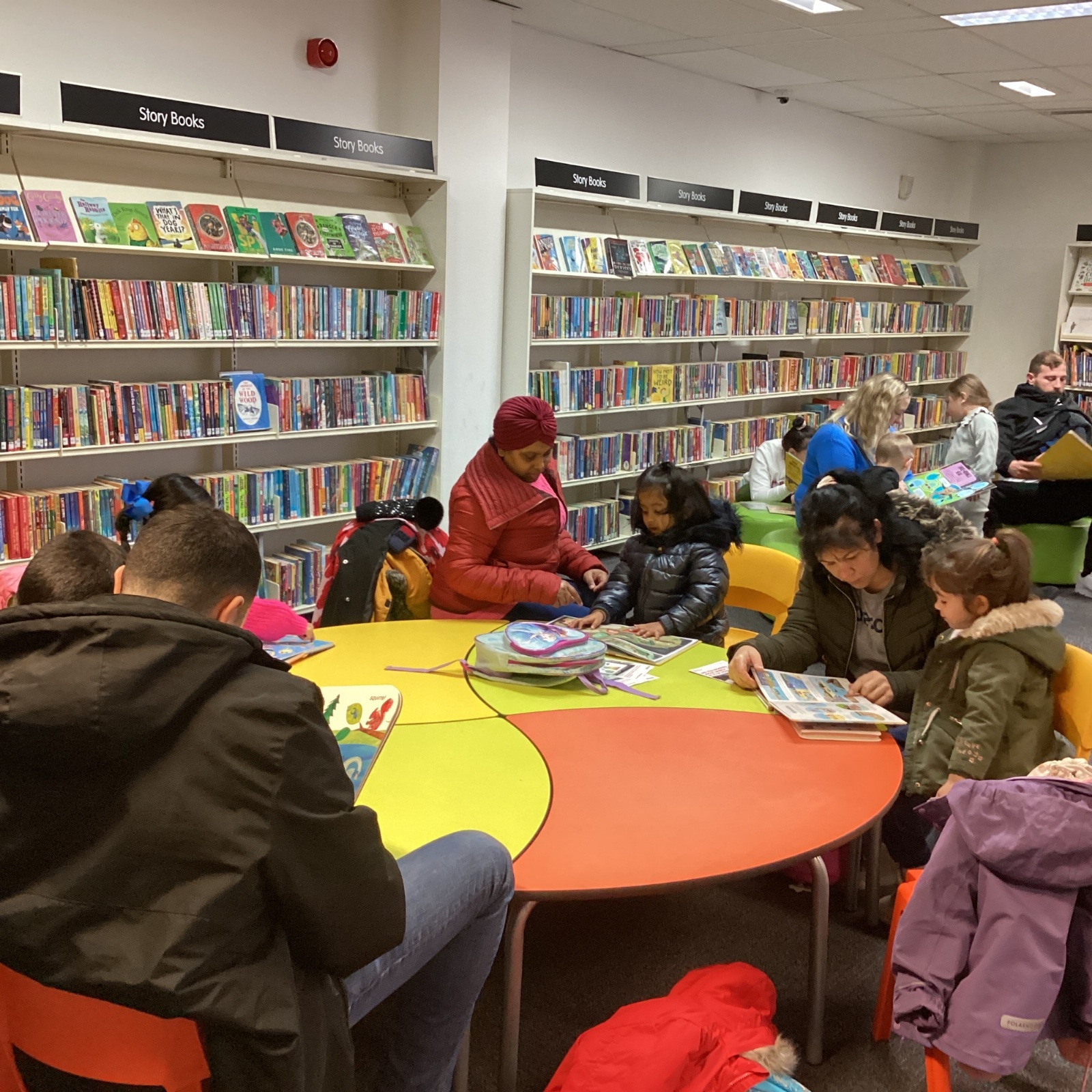
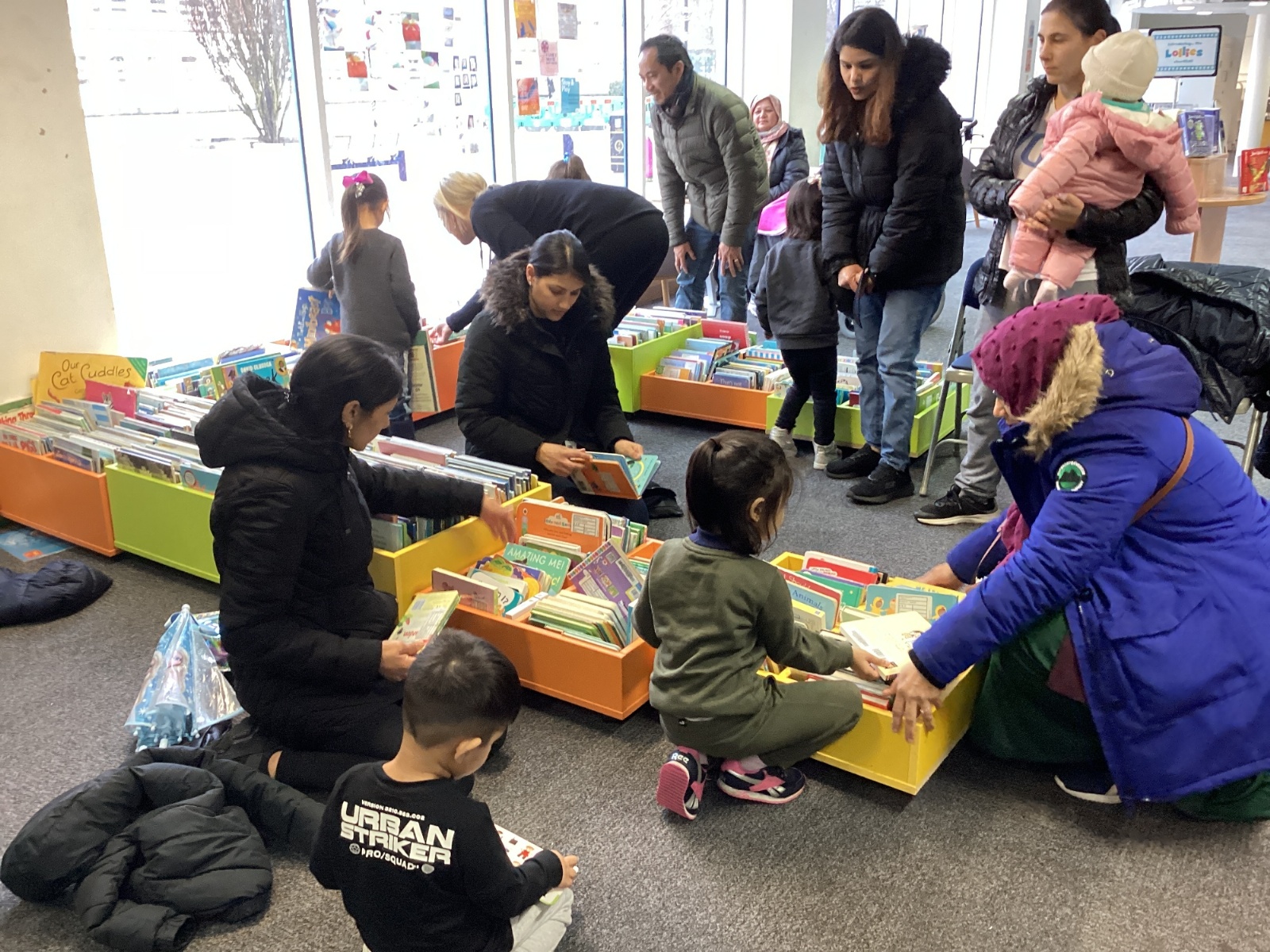
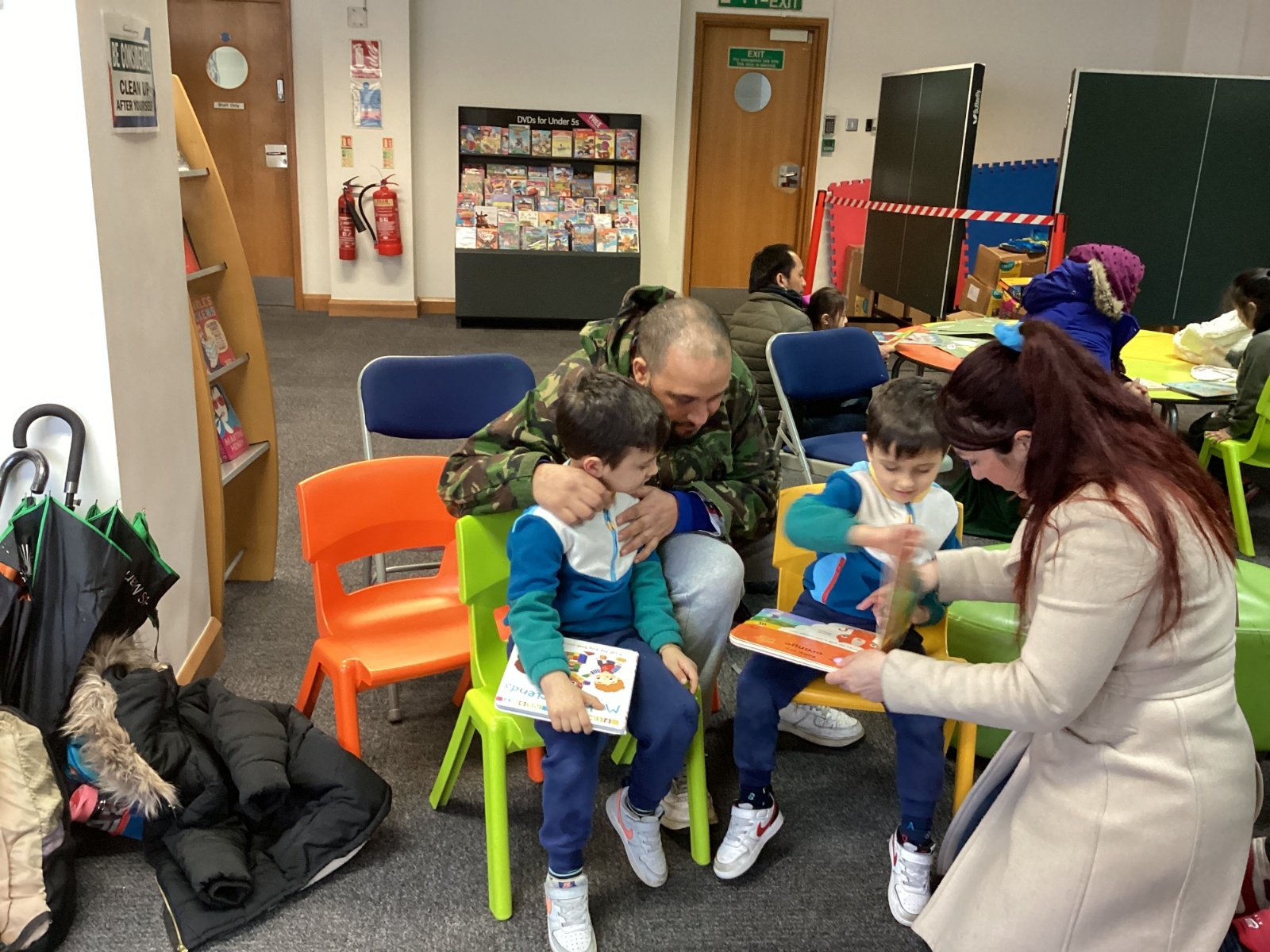
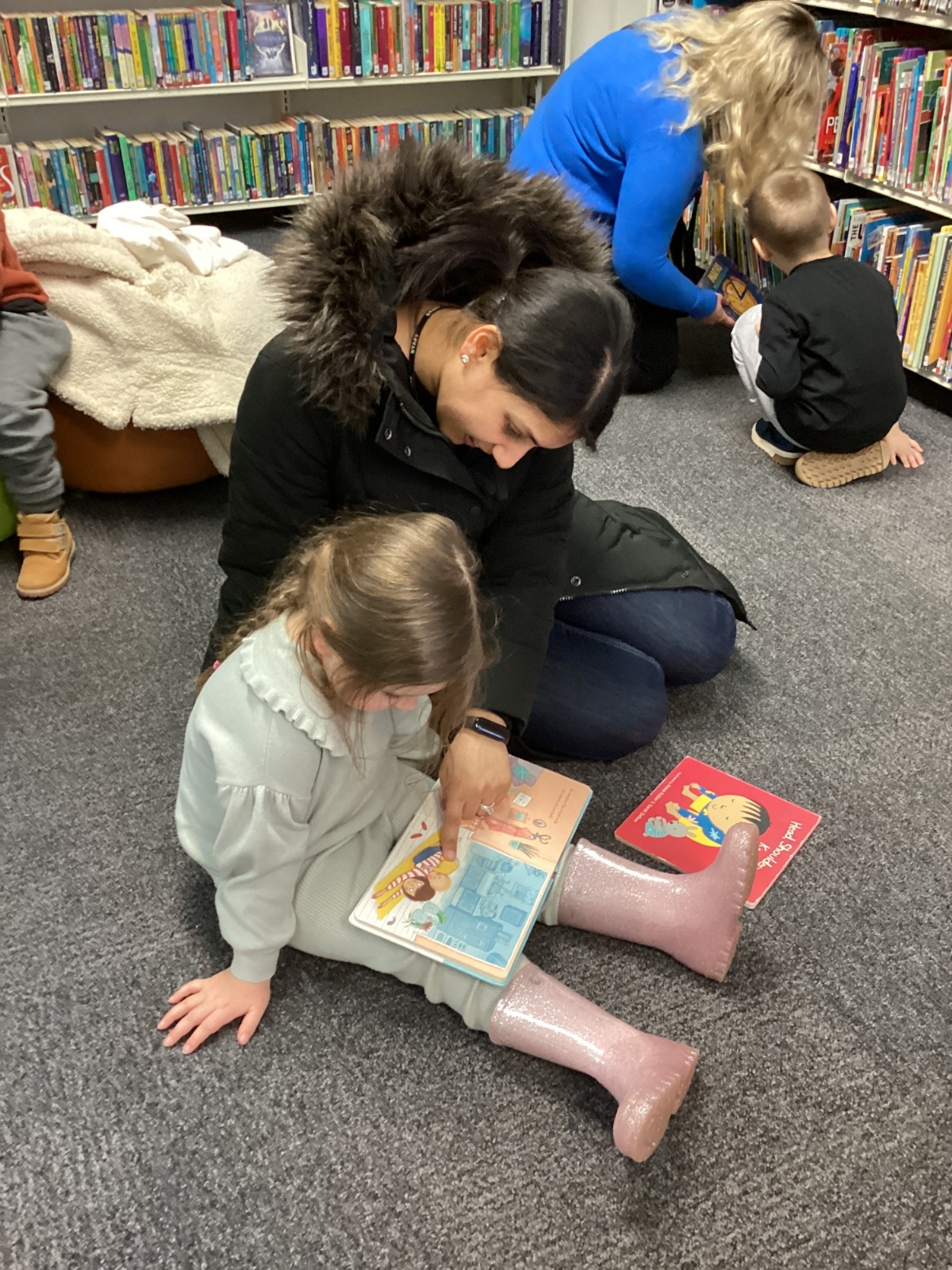
The children and their parents visited Beckton Globe Library, where we shared a lovely story and sang some songs. You can see photos in the Working with Families section below.
Ideas to try at home
- Read stories together and talk about the books you have shared.
- Let your child play with paper, pencils and pens, and encourage them to experiment with the marks they can make.
- Point out that print is everywhere – shop names, food packets, the television, road signs.
- Visit the library and let your child choose books to share.
Maths
Children develop their skills in counting, understanding and using numbers, solving simple addition and subtraction problems, and describing shape, space and measures.
Recent learning
Reception – Spring 2
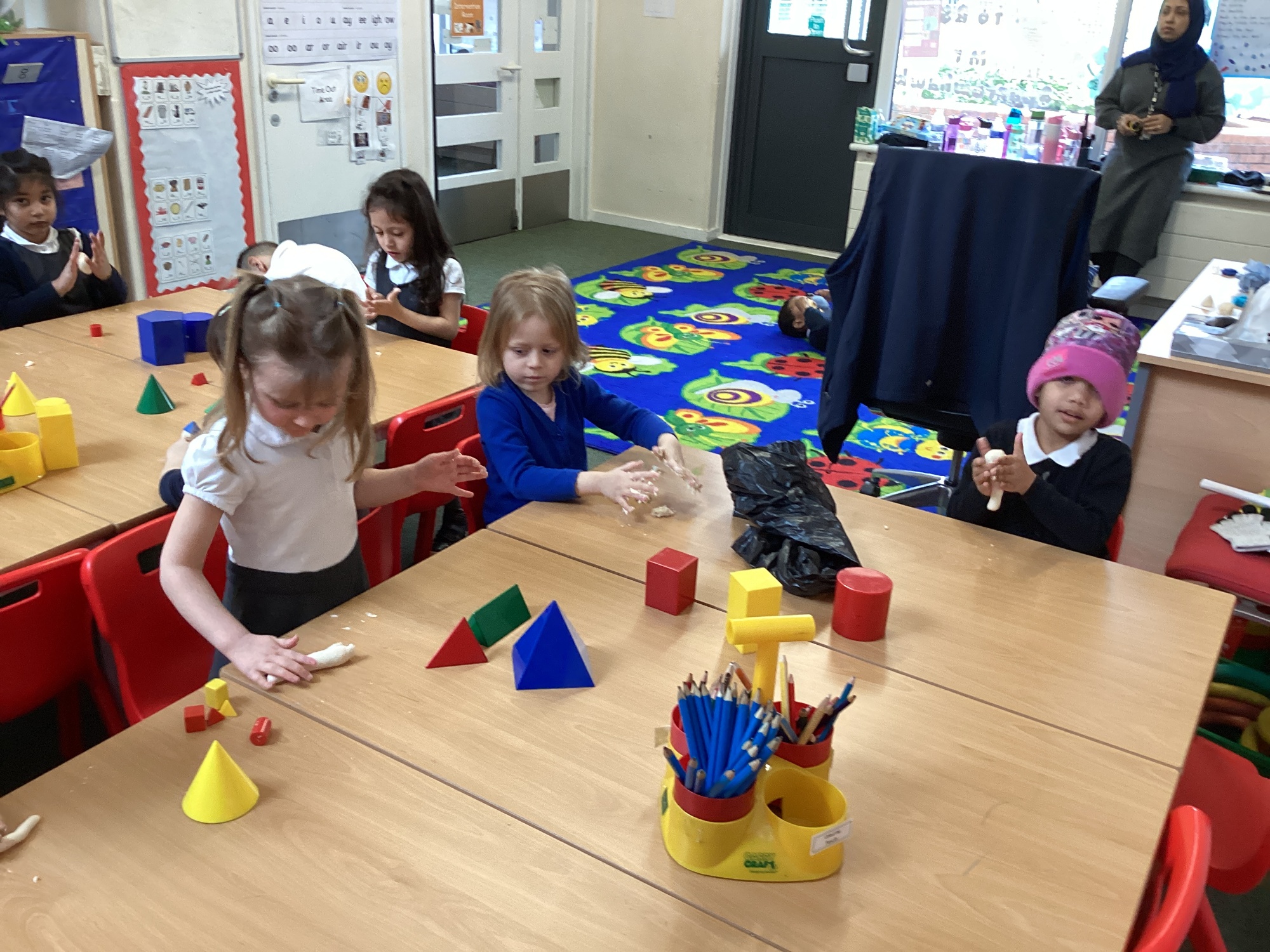
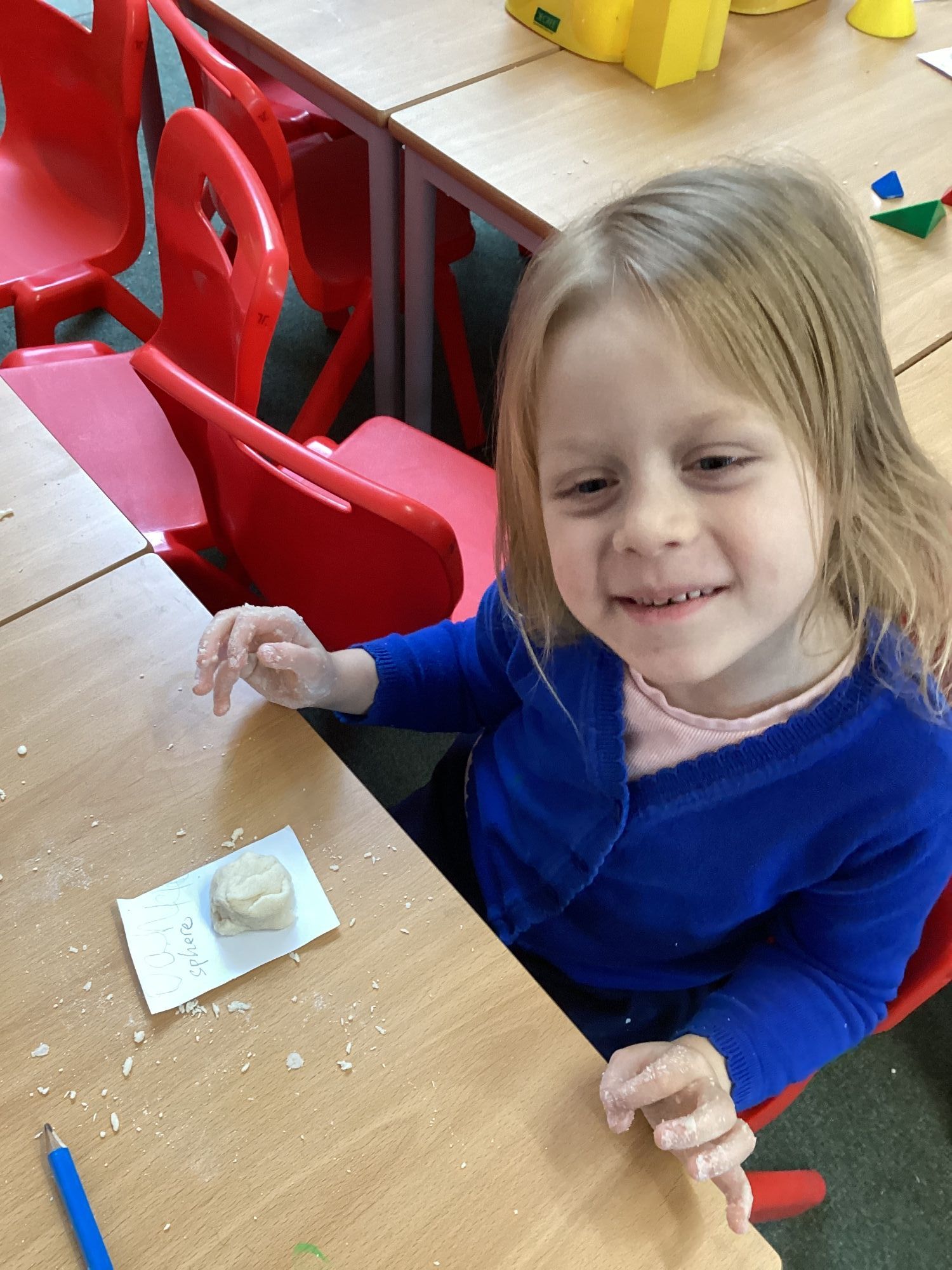
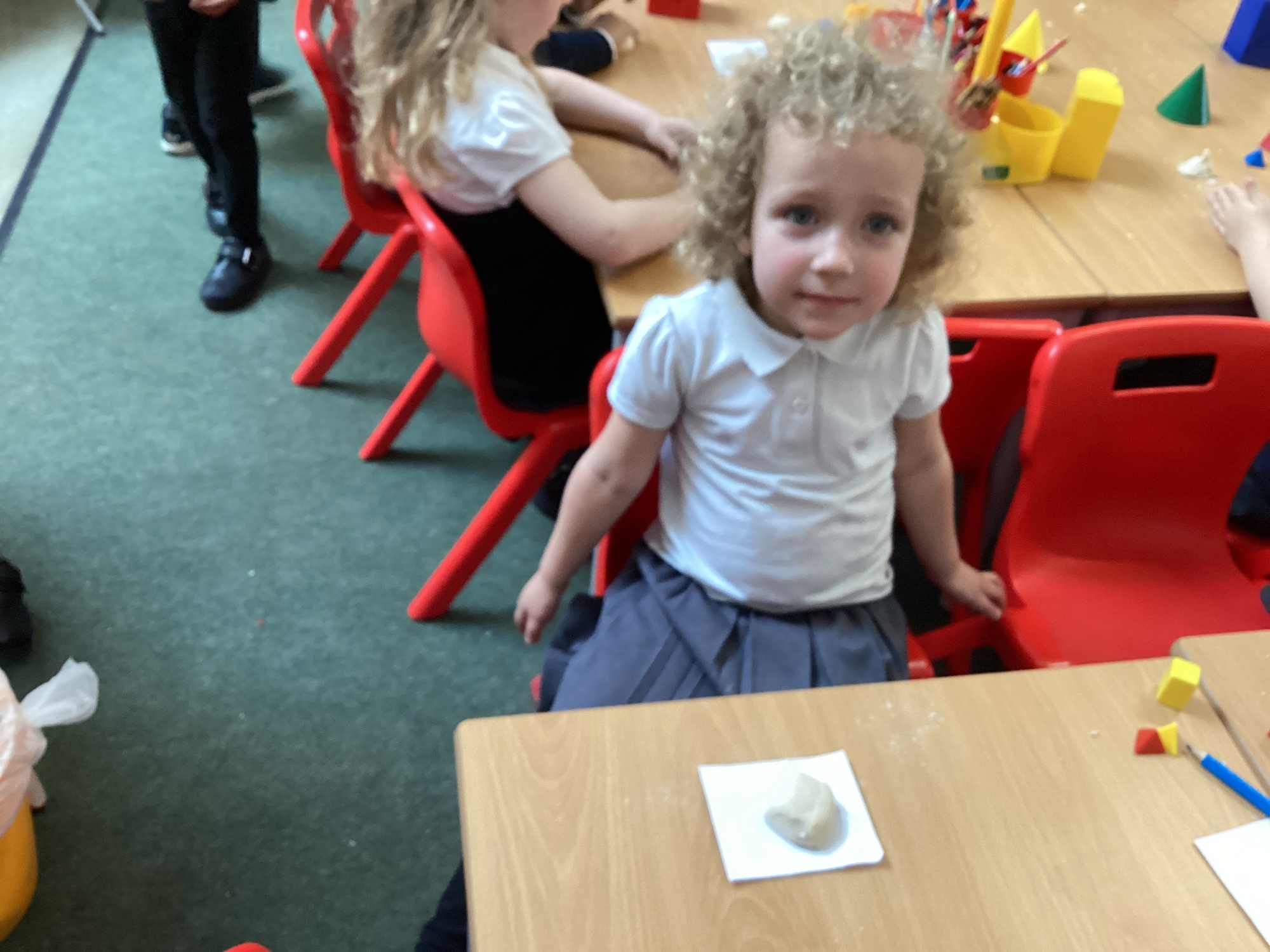
We have been learning about 3D shapes. We went on 3D shape hunts inside and outside the classroom, and made 3D shapes out of salt dough.
Ideas to try at home
- Spot numbers everywhere – house numbers, road signs, prices, number plates and buses.
- Ask your child to sort the washing into colours.
- Make patterns with everyday objects, or count out cutlery at mealtimes. Are there enough plates for everyone?
- Look for shapes at home, in the street, in shops and in toys.
- Count stairs, toys, books, fingers and toes.
- At bath time, give your child containers to explore capacity, talking about full and empty.
Understanding the World
Children make sense of their physical world and their community by exploring, observing and finding out about people, places, technology and the environment.
Recent learning
Reception – Spring 2: St David’s Day
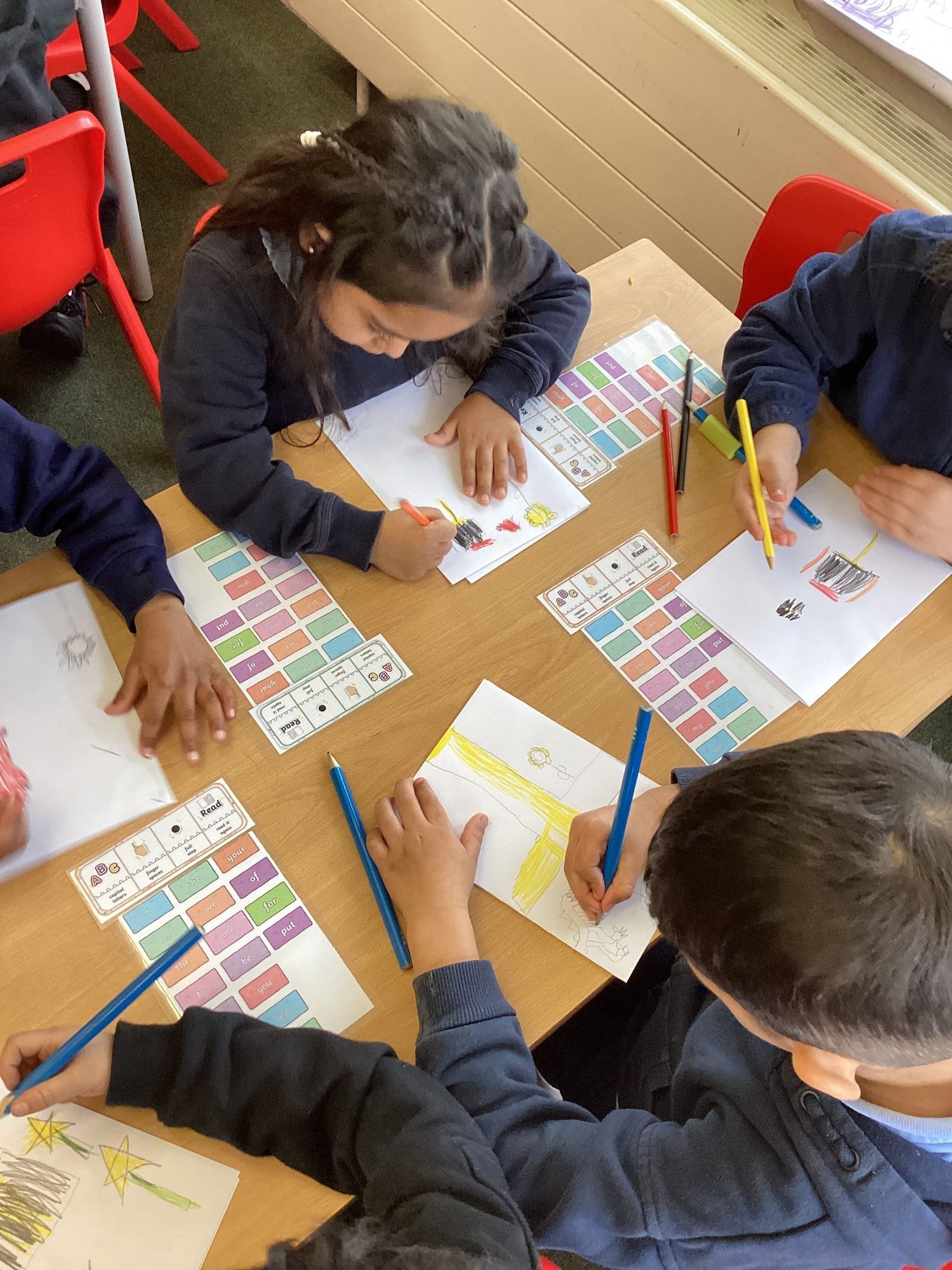
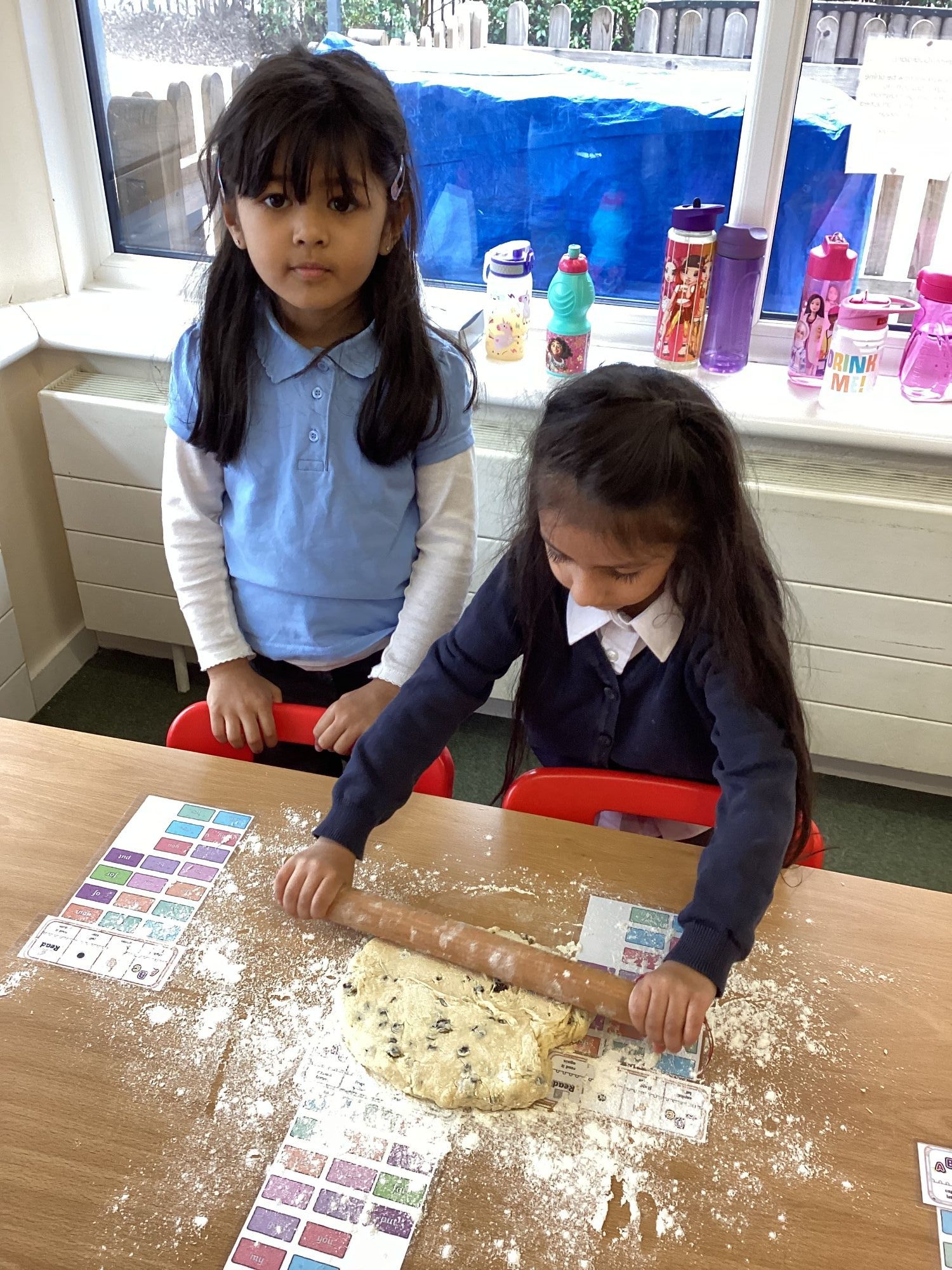
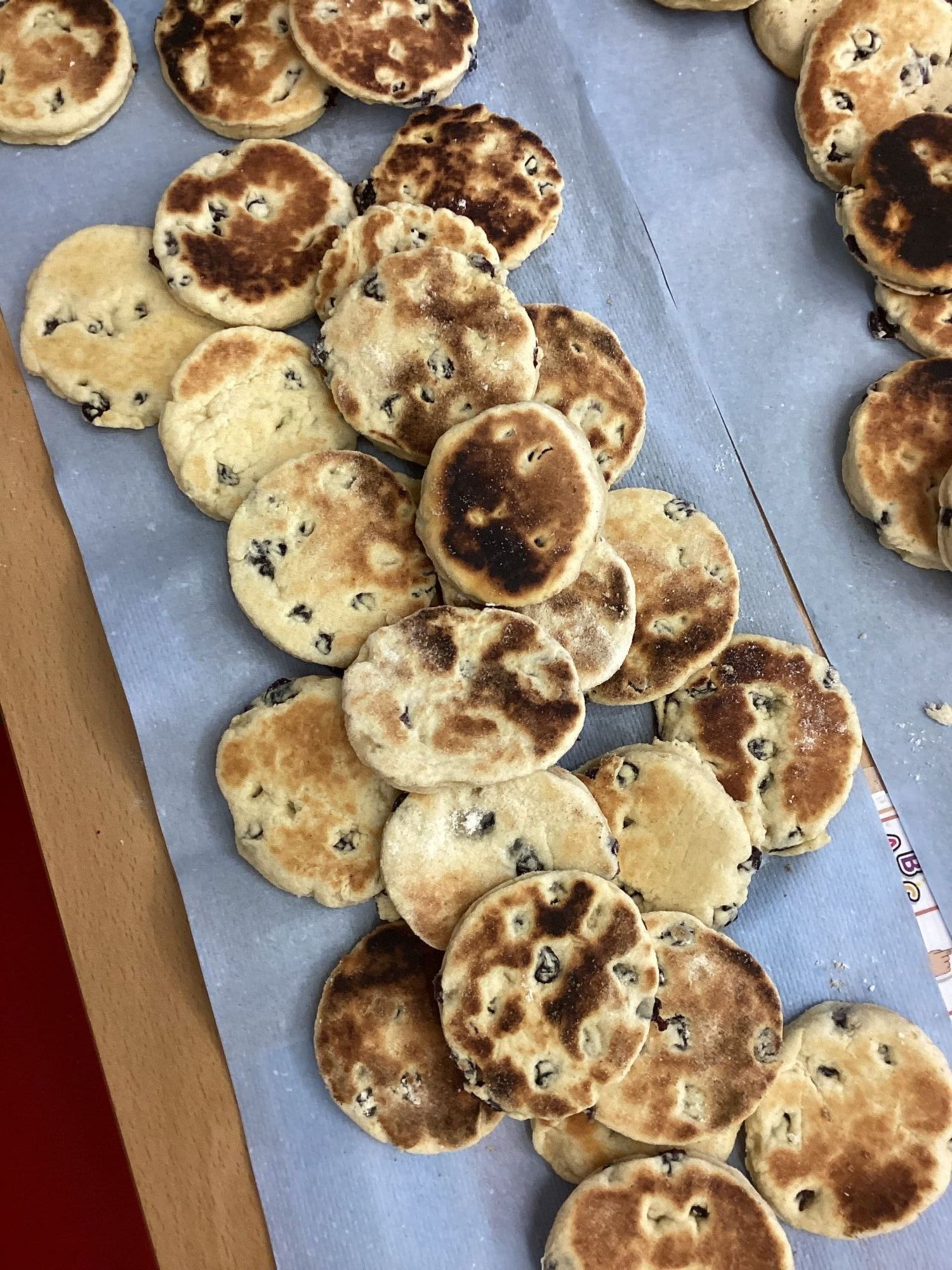
We learnt about St David’s Day and how Welsh people celebrate it. We dressed in traditional Welsh clothing, listened to Welsh music and made Welsh cakes. We also learnt some Welsh phrases – Dydd Gŵyl Dewi Hapus!
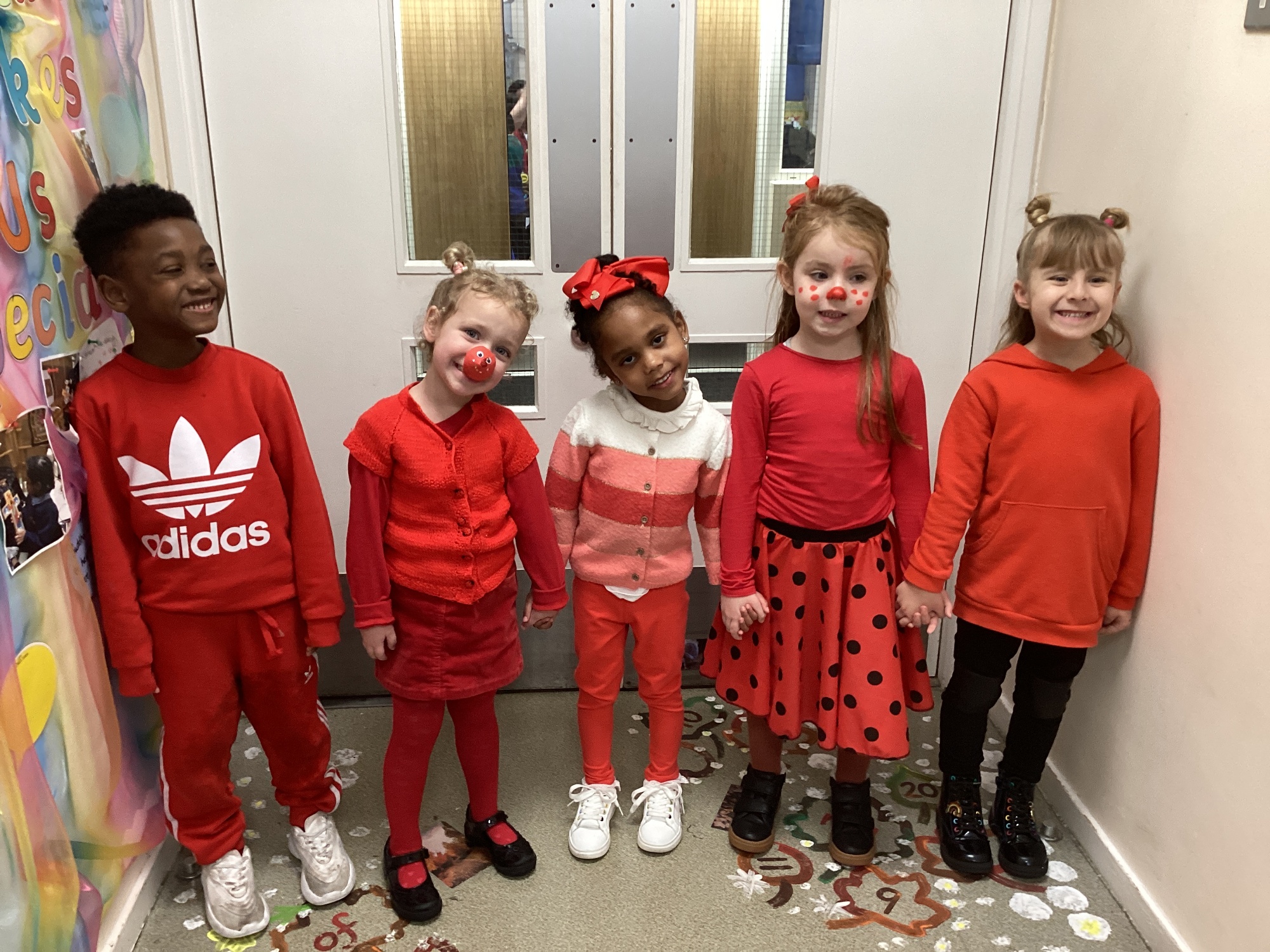
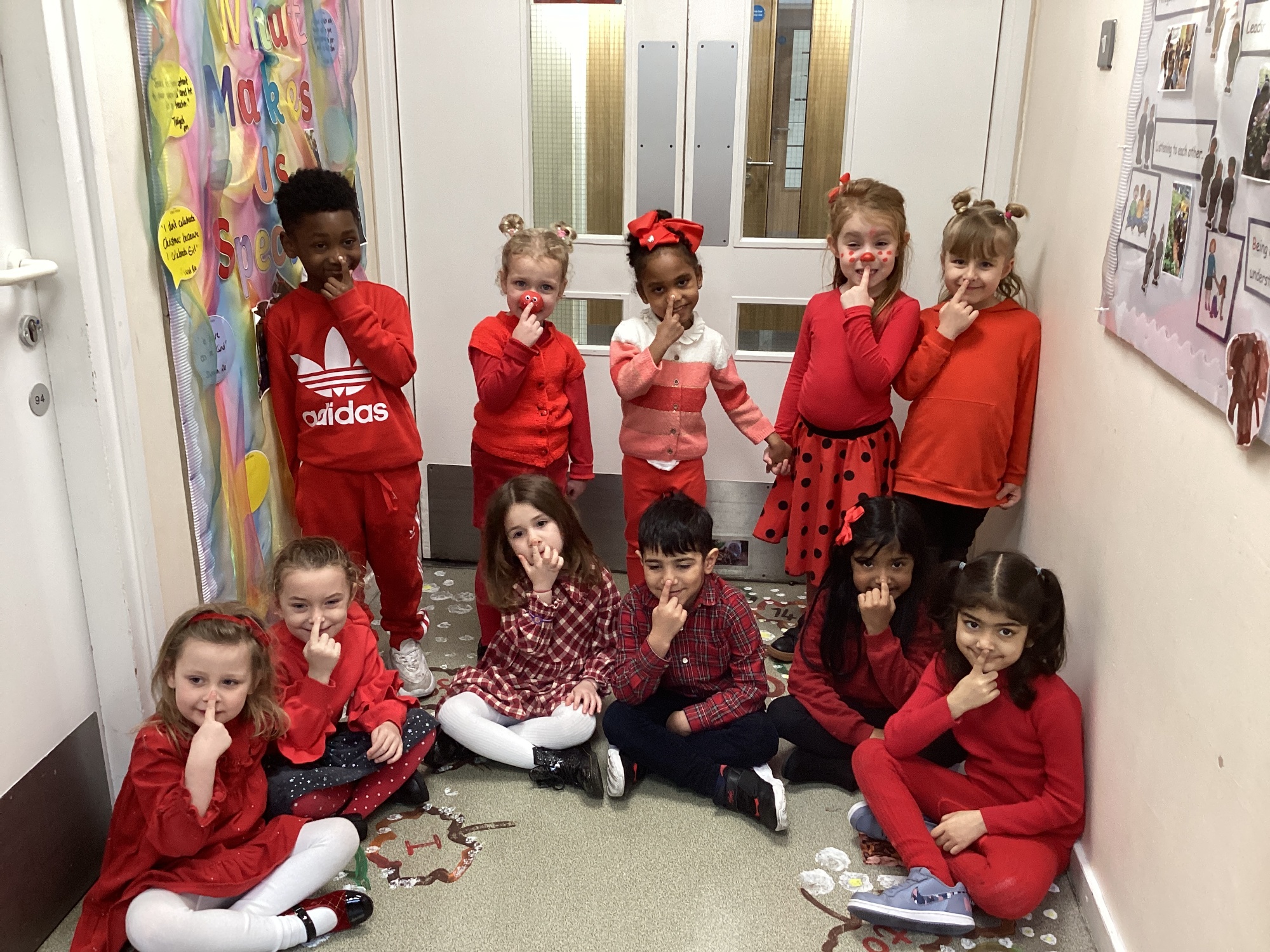
Reception – Spring 2: Red Nose Day
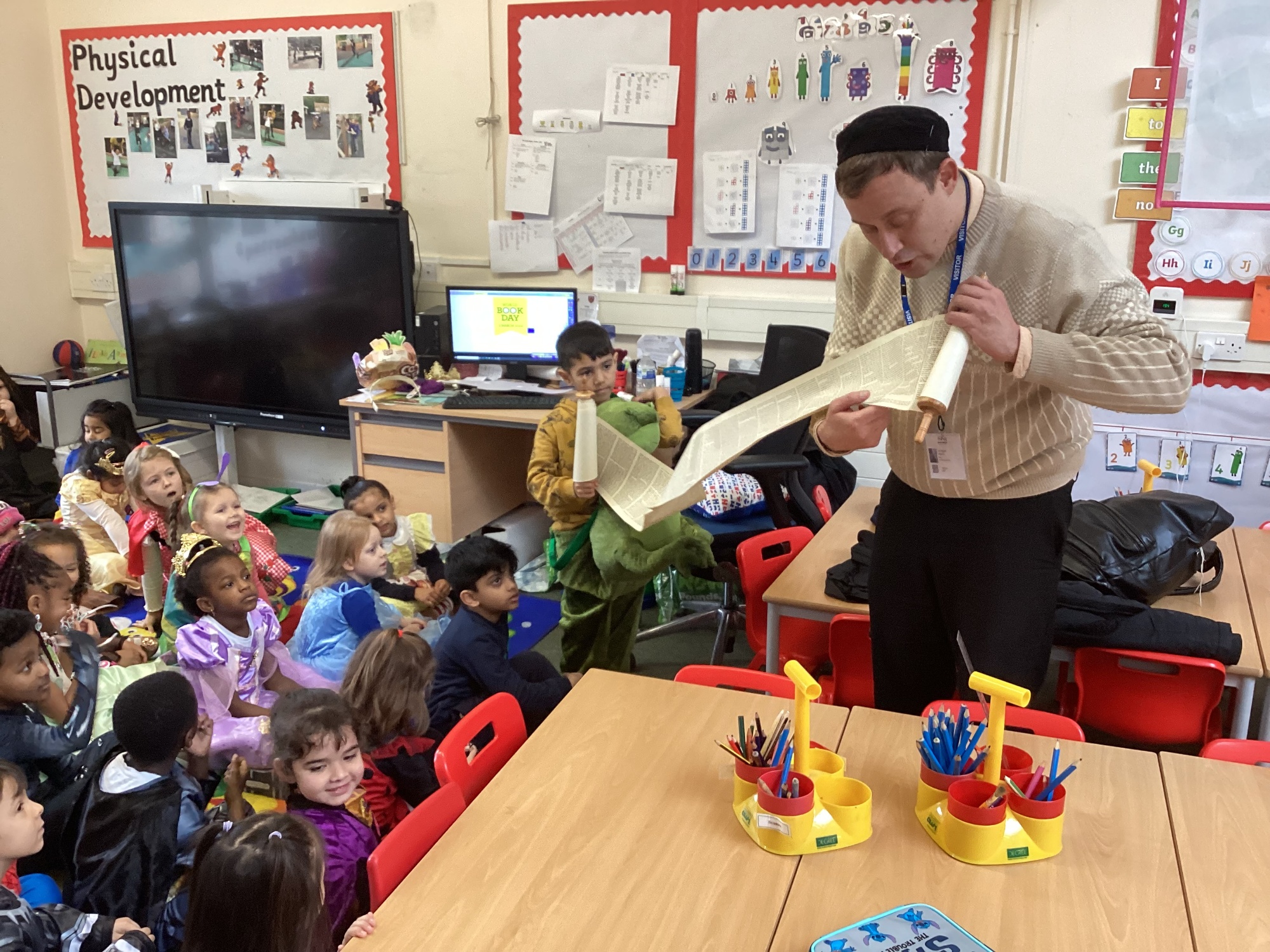
Reception – Spring 2: A visit from a Rabbi
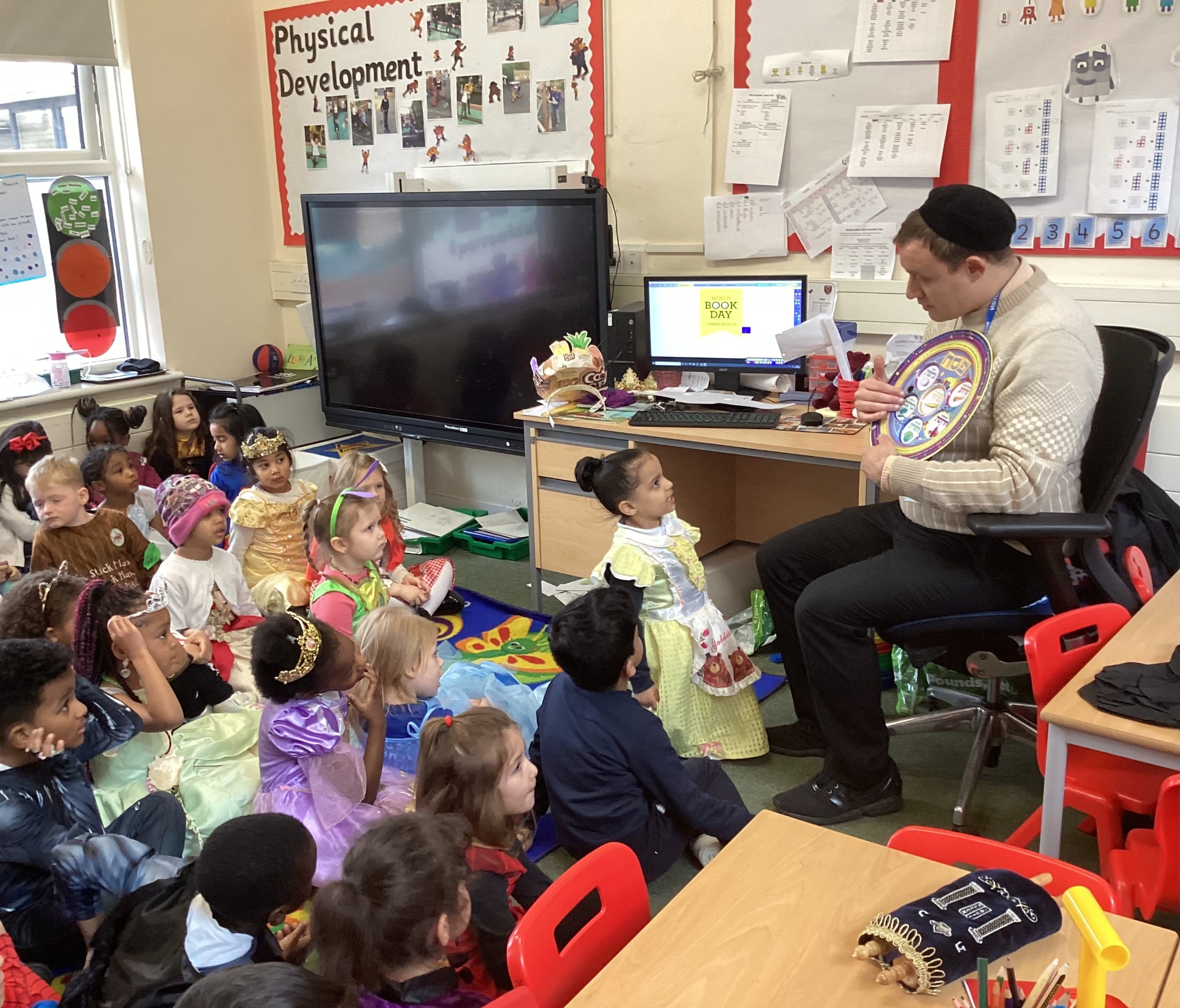
A Rabbi visited Reception and brought a Torah and a Seder plate, showing us how they are used. We learnt how Jewish people celebrate Passover.
Reception – Spring: Shrove Tuesday
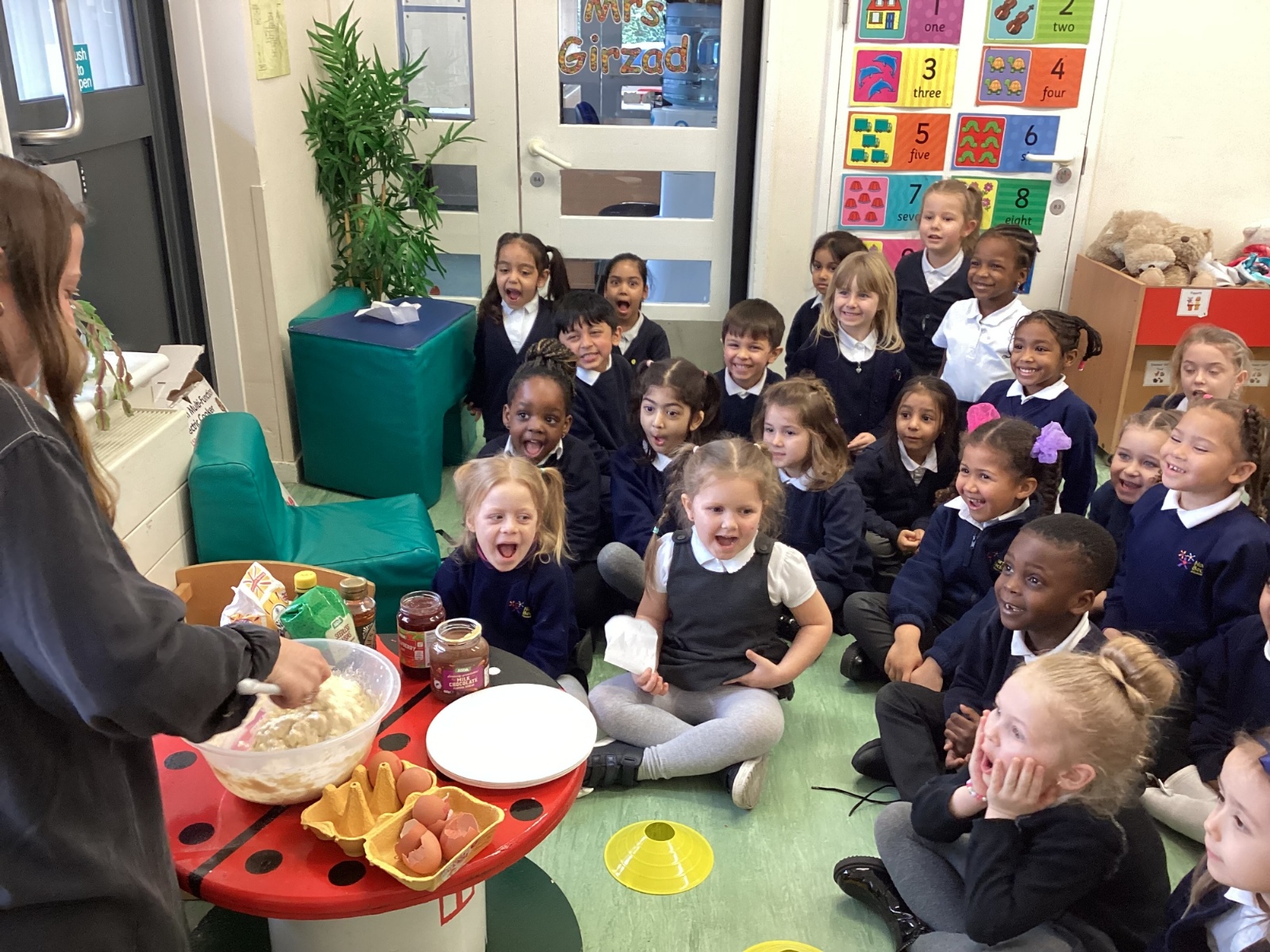
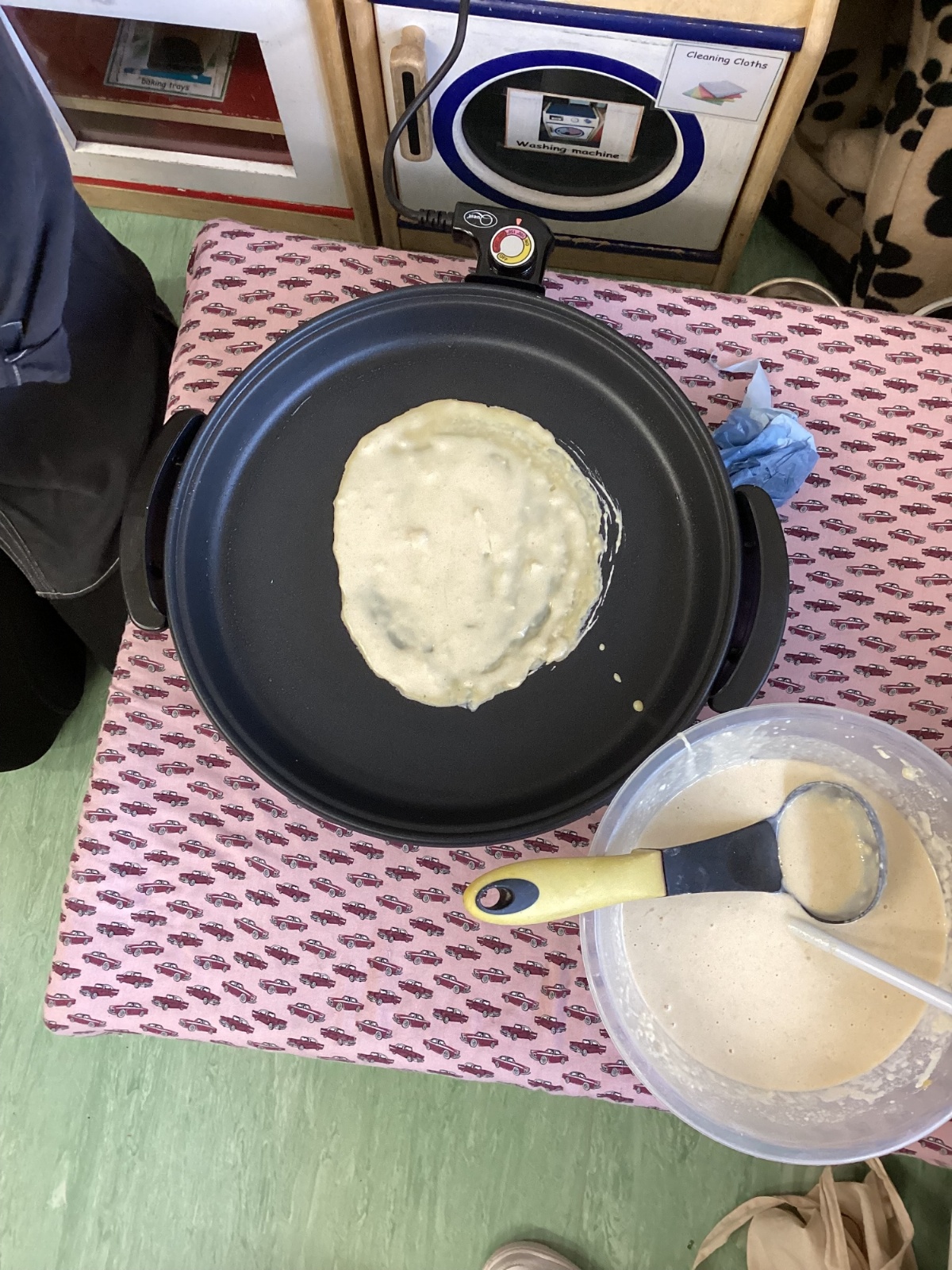
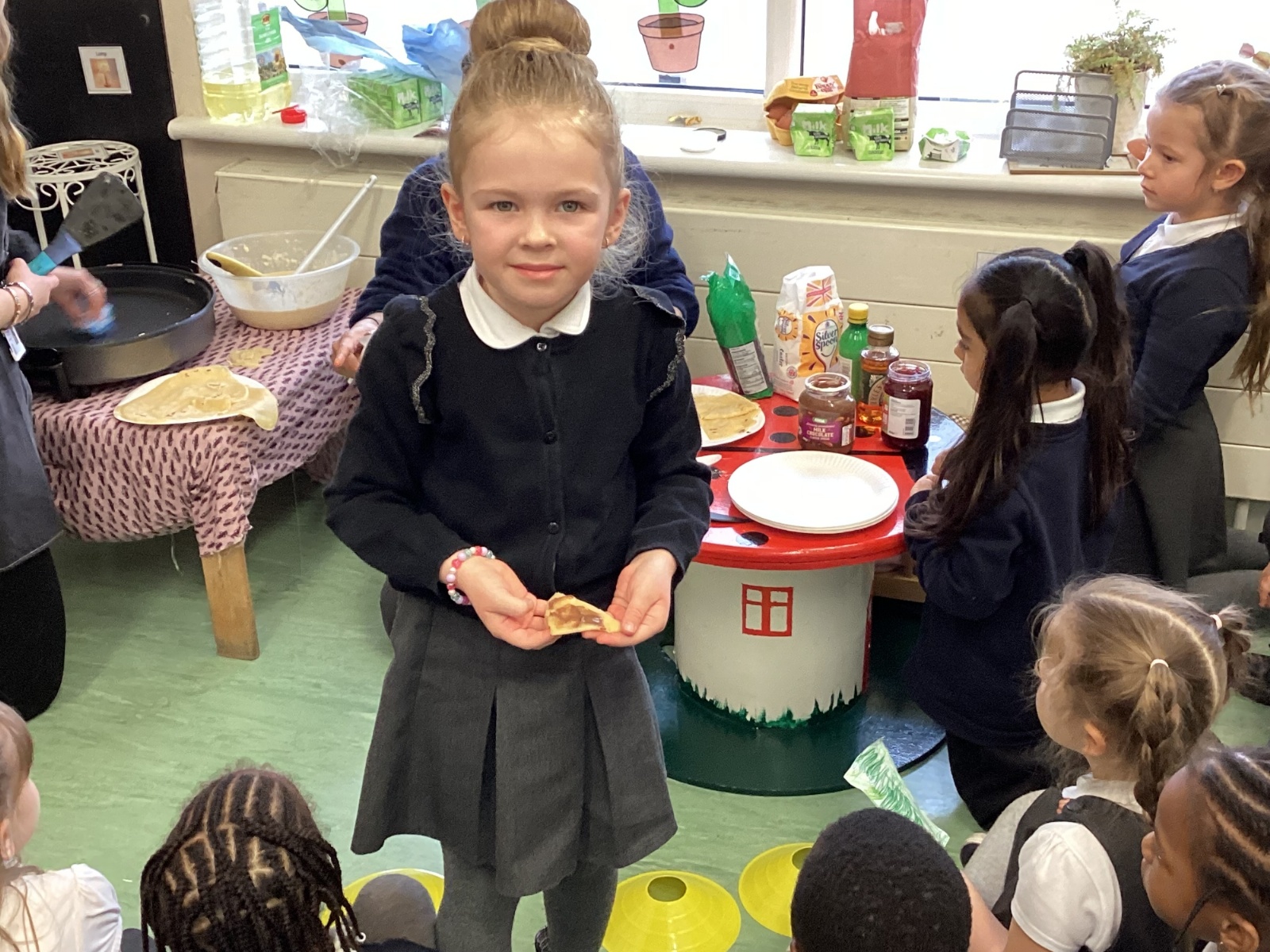
We talked about Shrove Tuesday and how Christians mark the start of Lent. We made pancakes and chose our favourite toppings!
Reception – Autumn: Computing Week
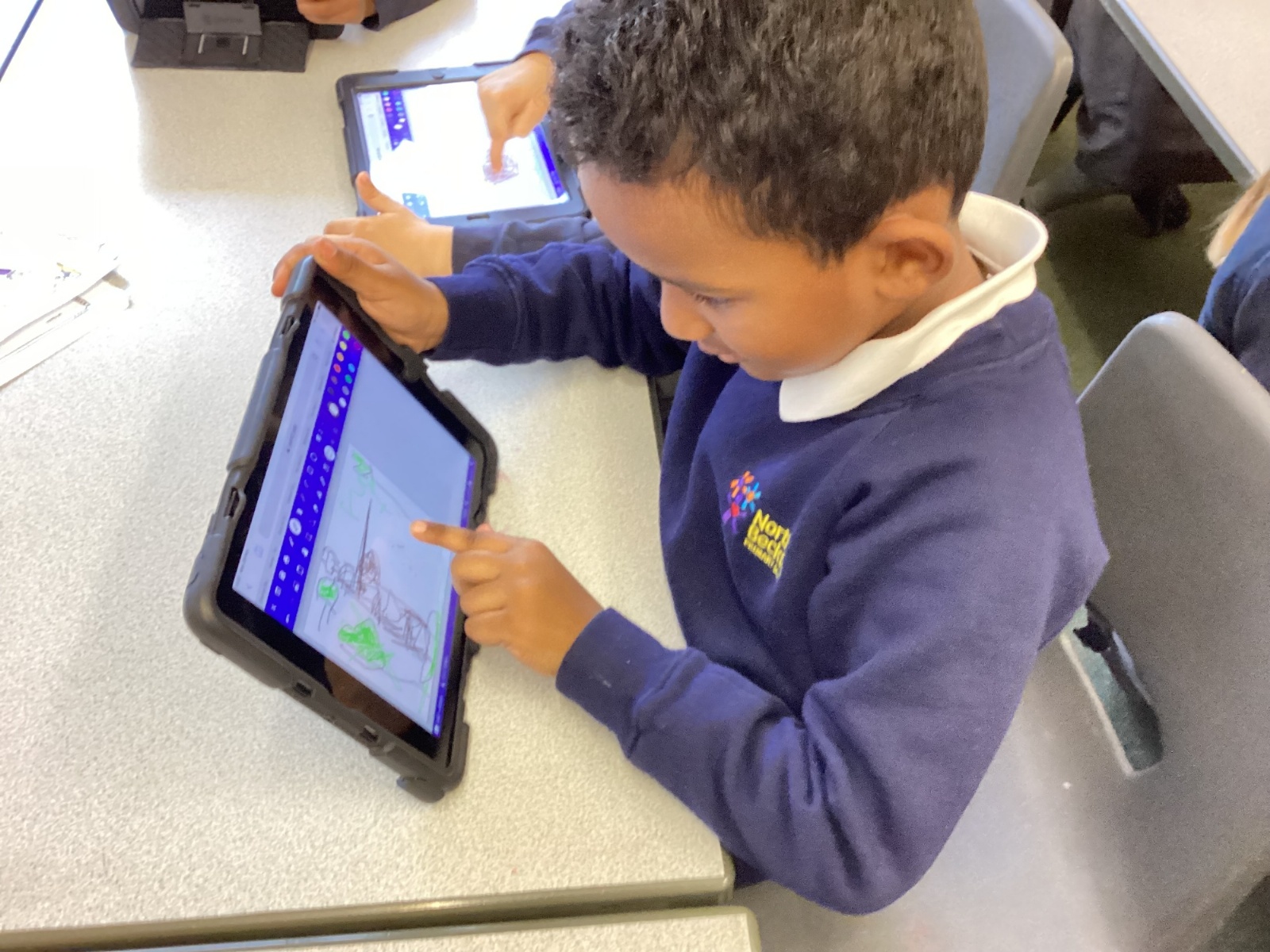
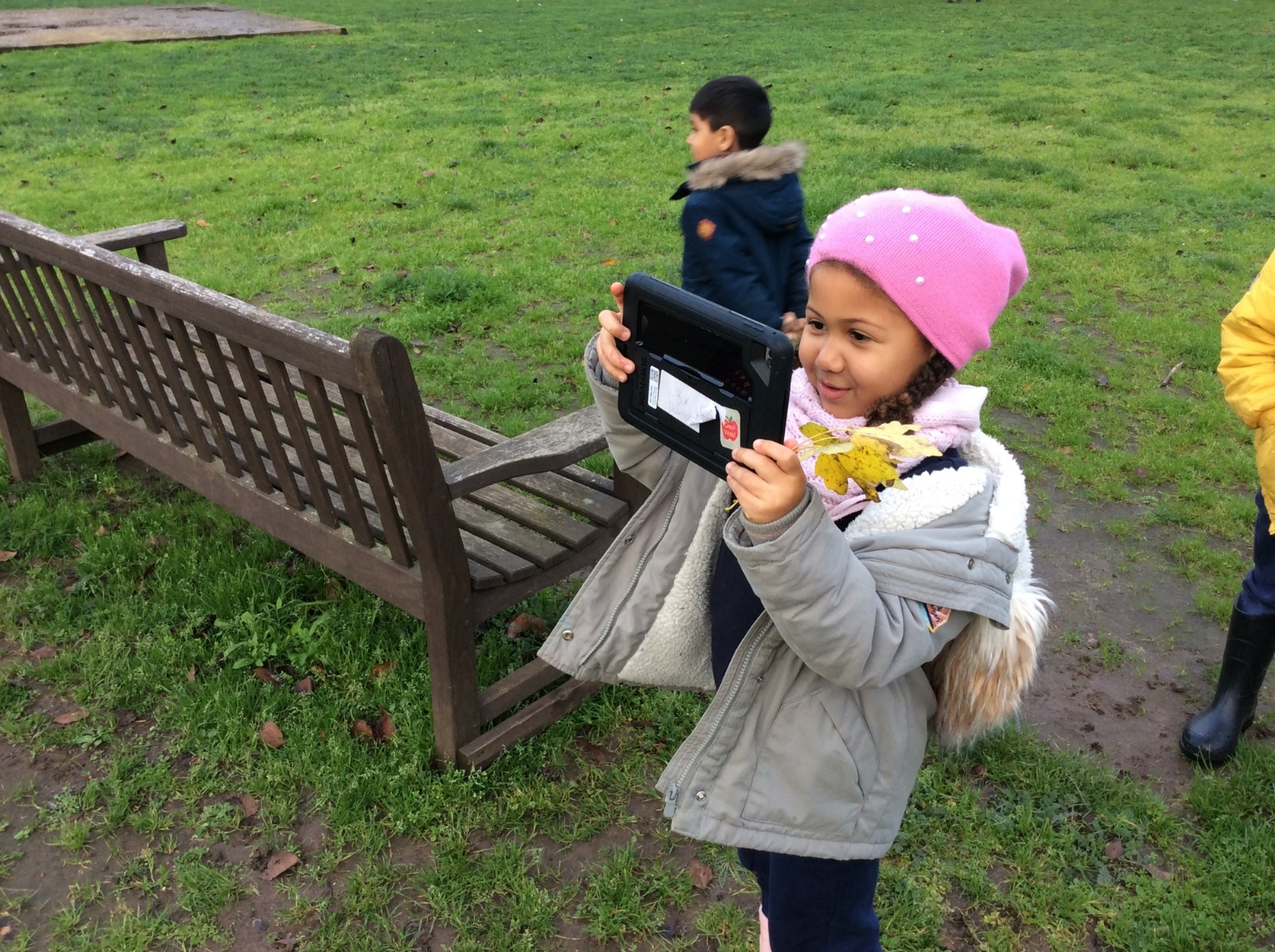
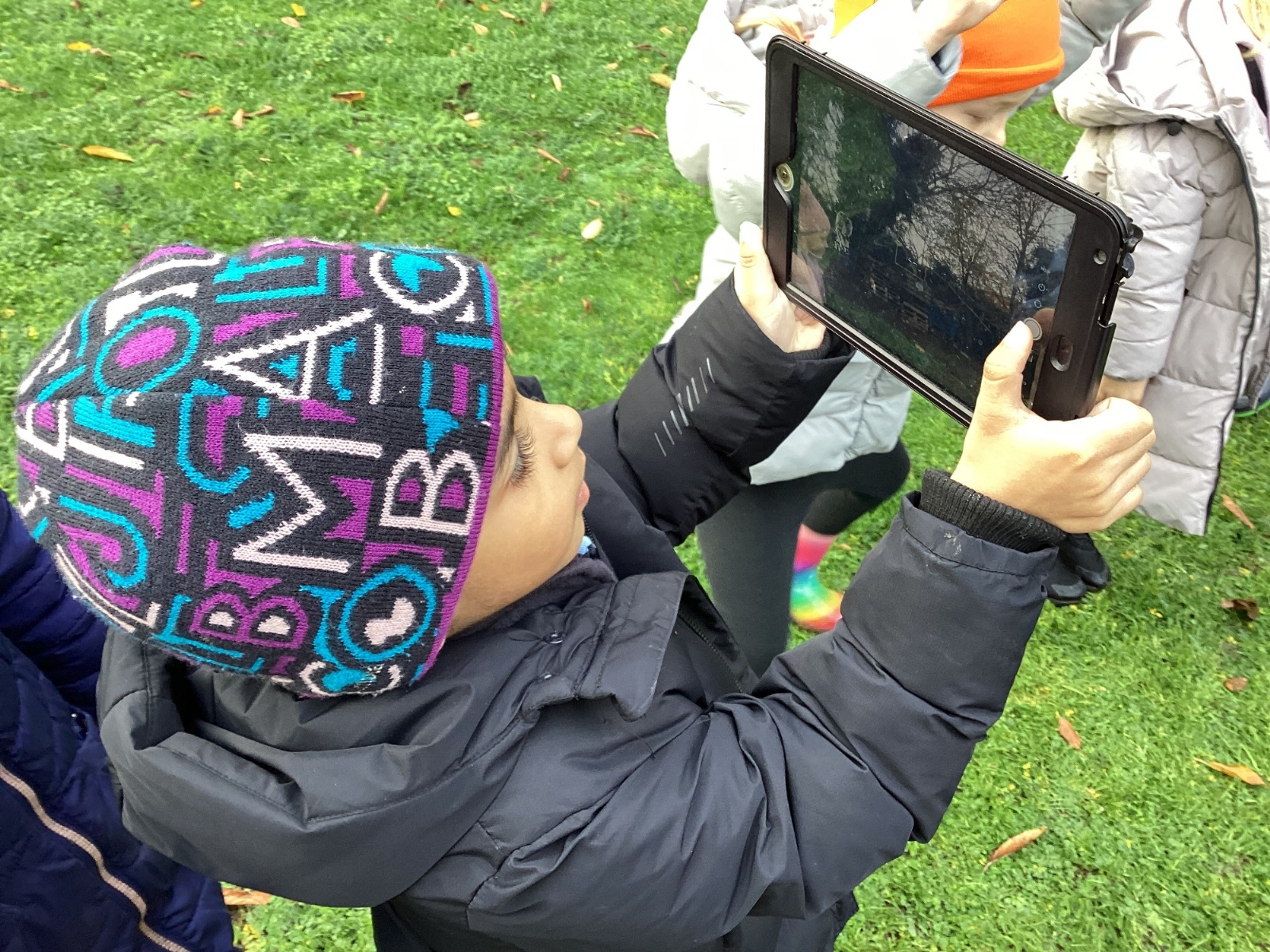
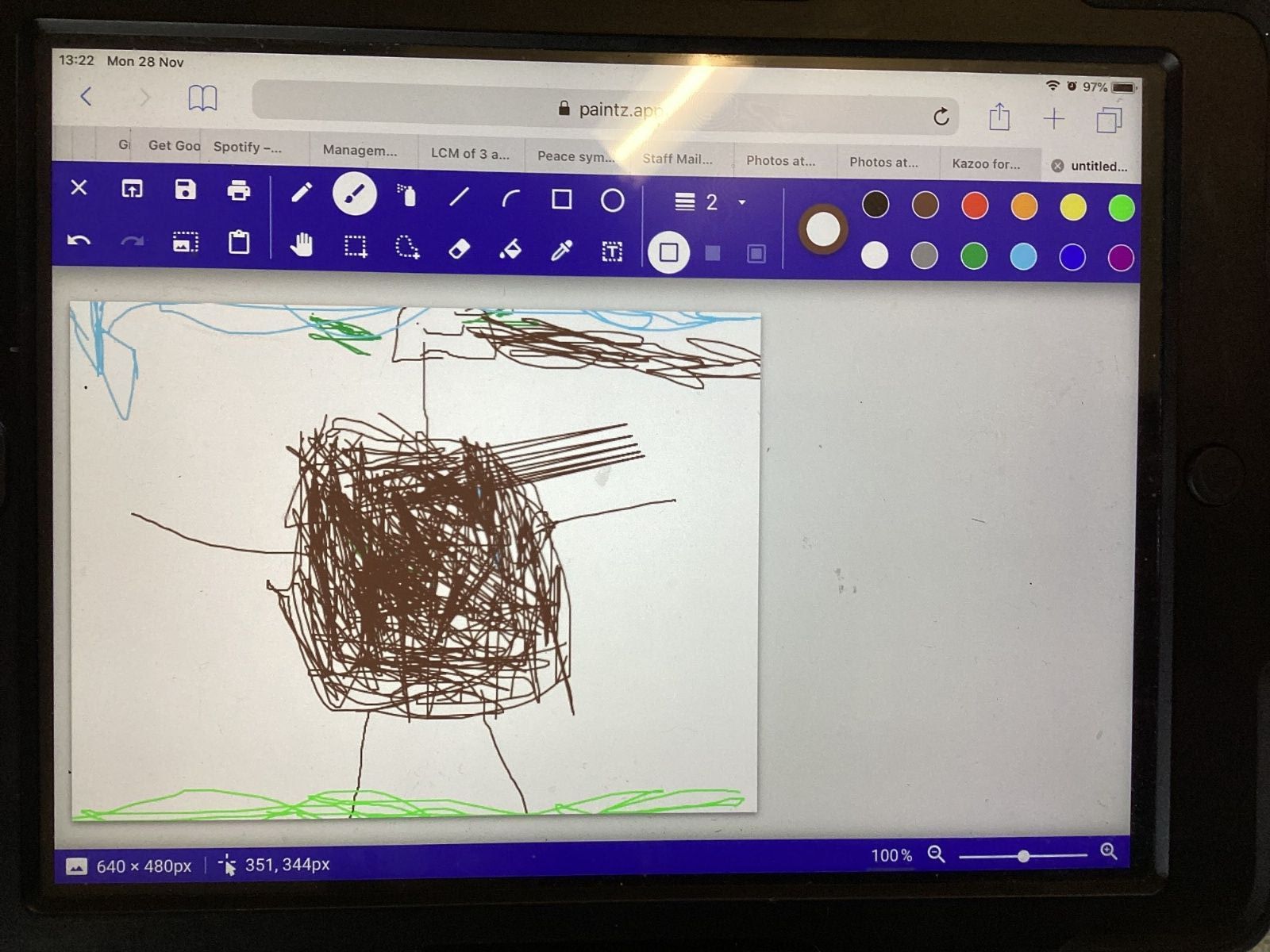
We painted a picture of Stick Man using the Paintz program. At Forest School, we took photos of the changing season on an iPad.

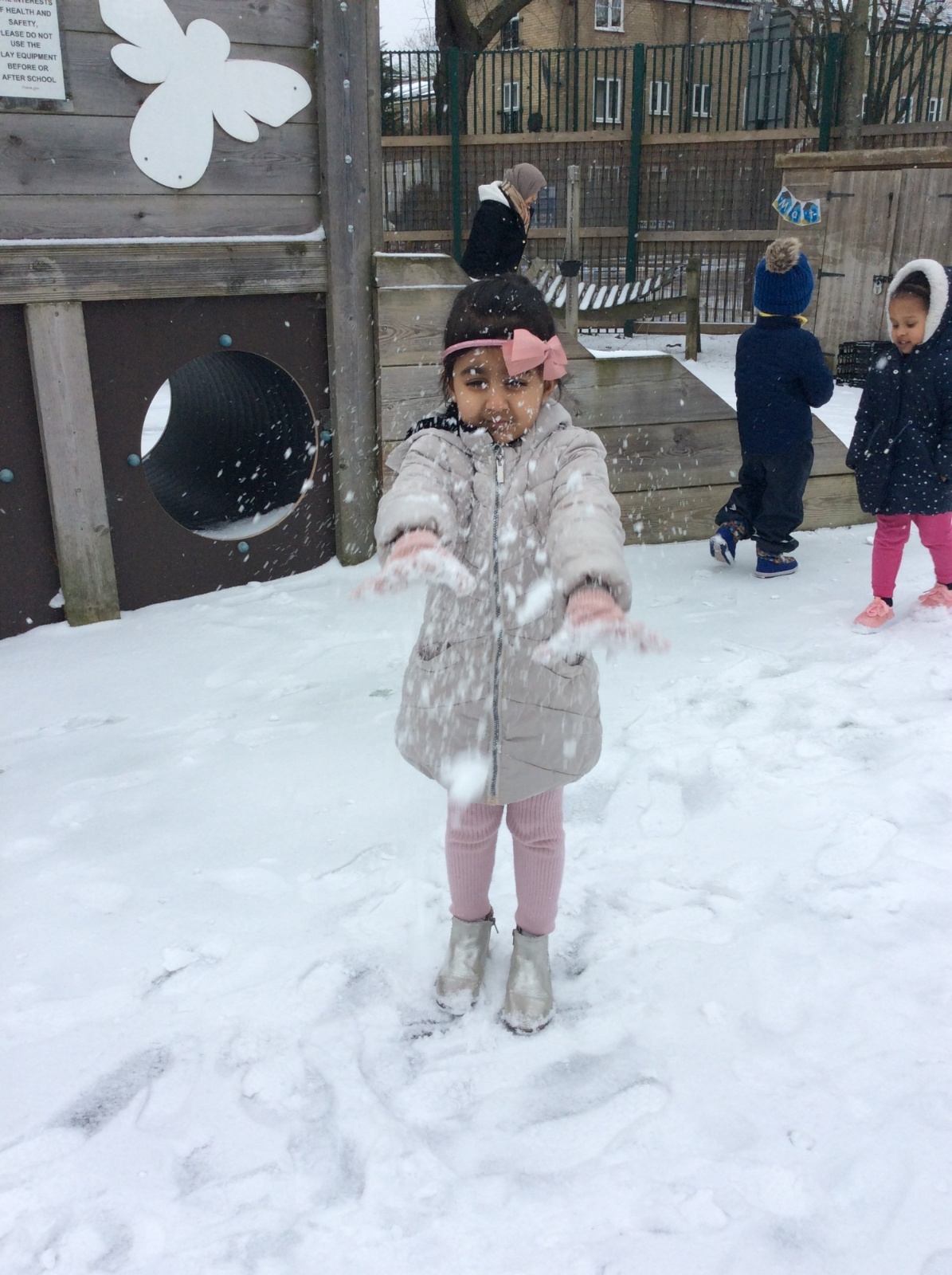
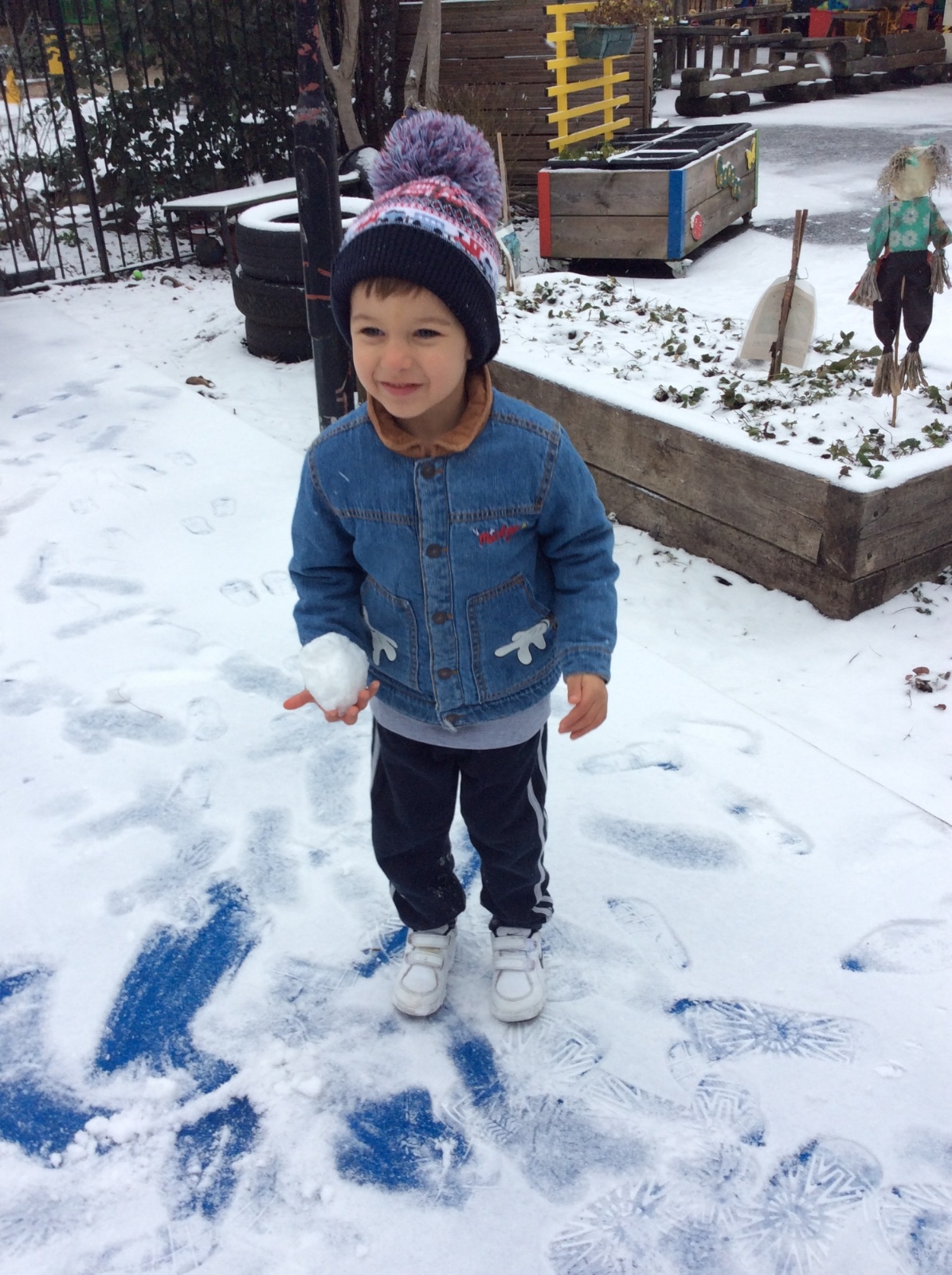
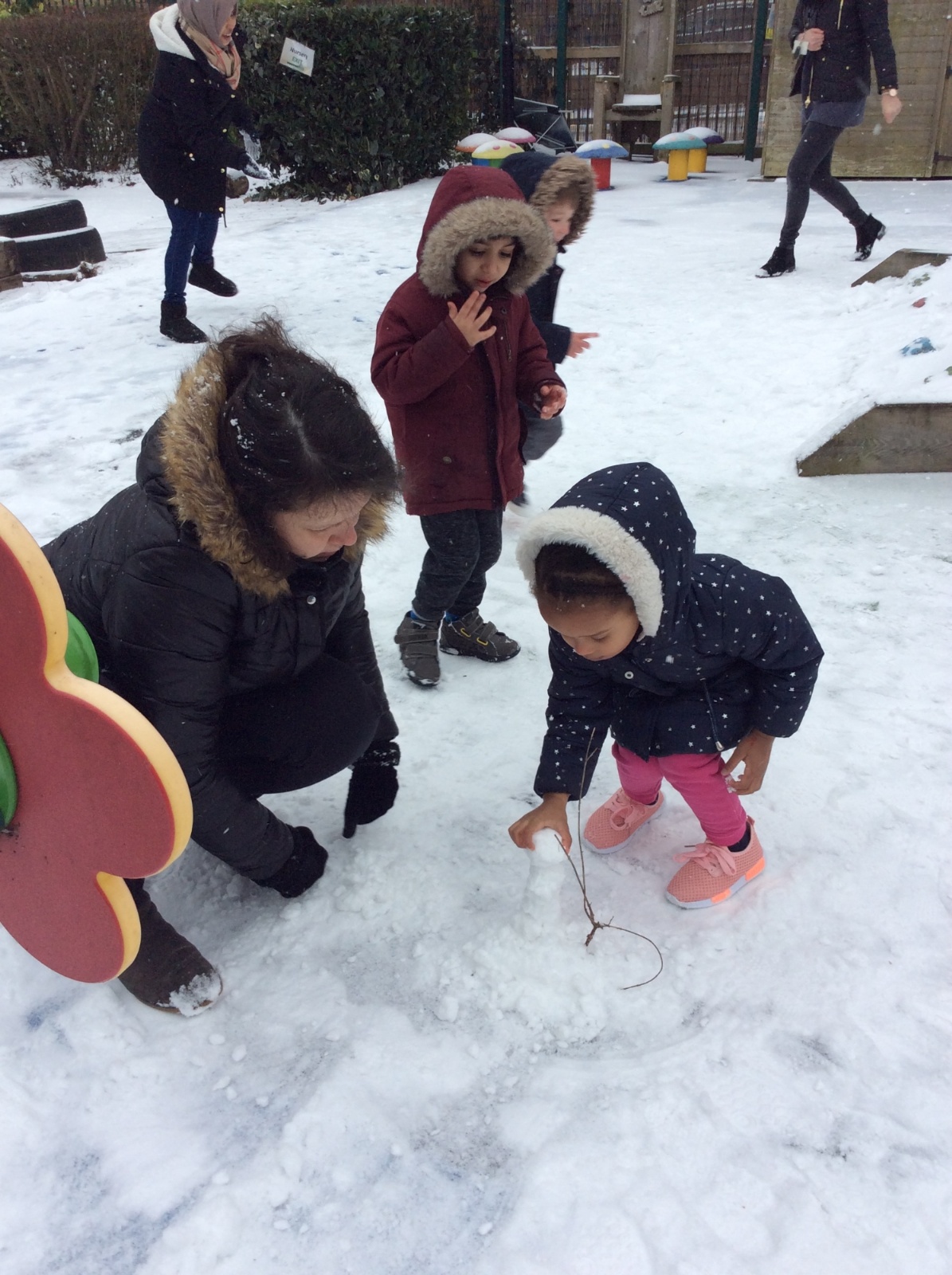
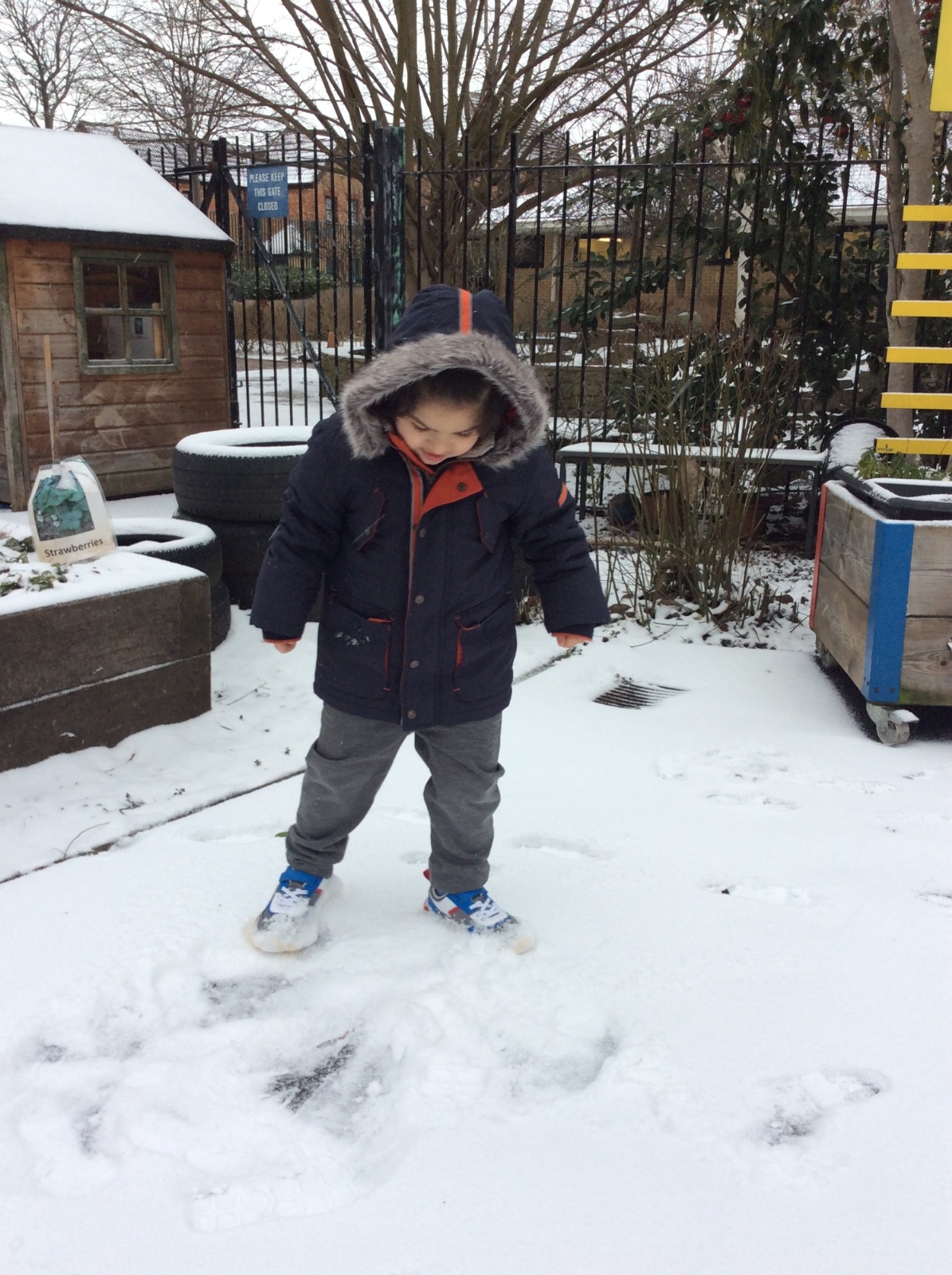
Nursery – Autumn 2: Snow day
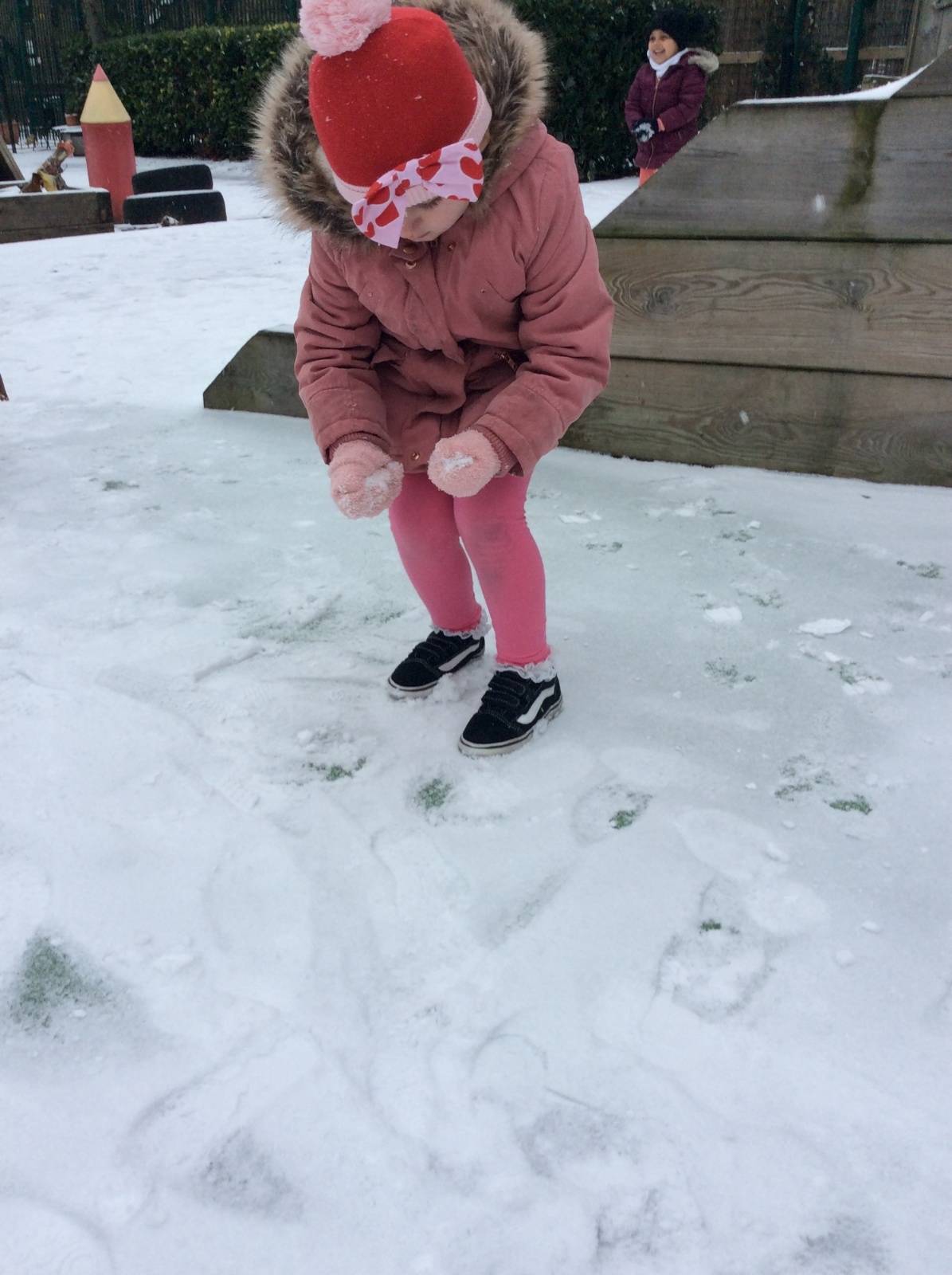
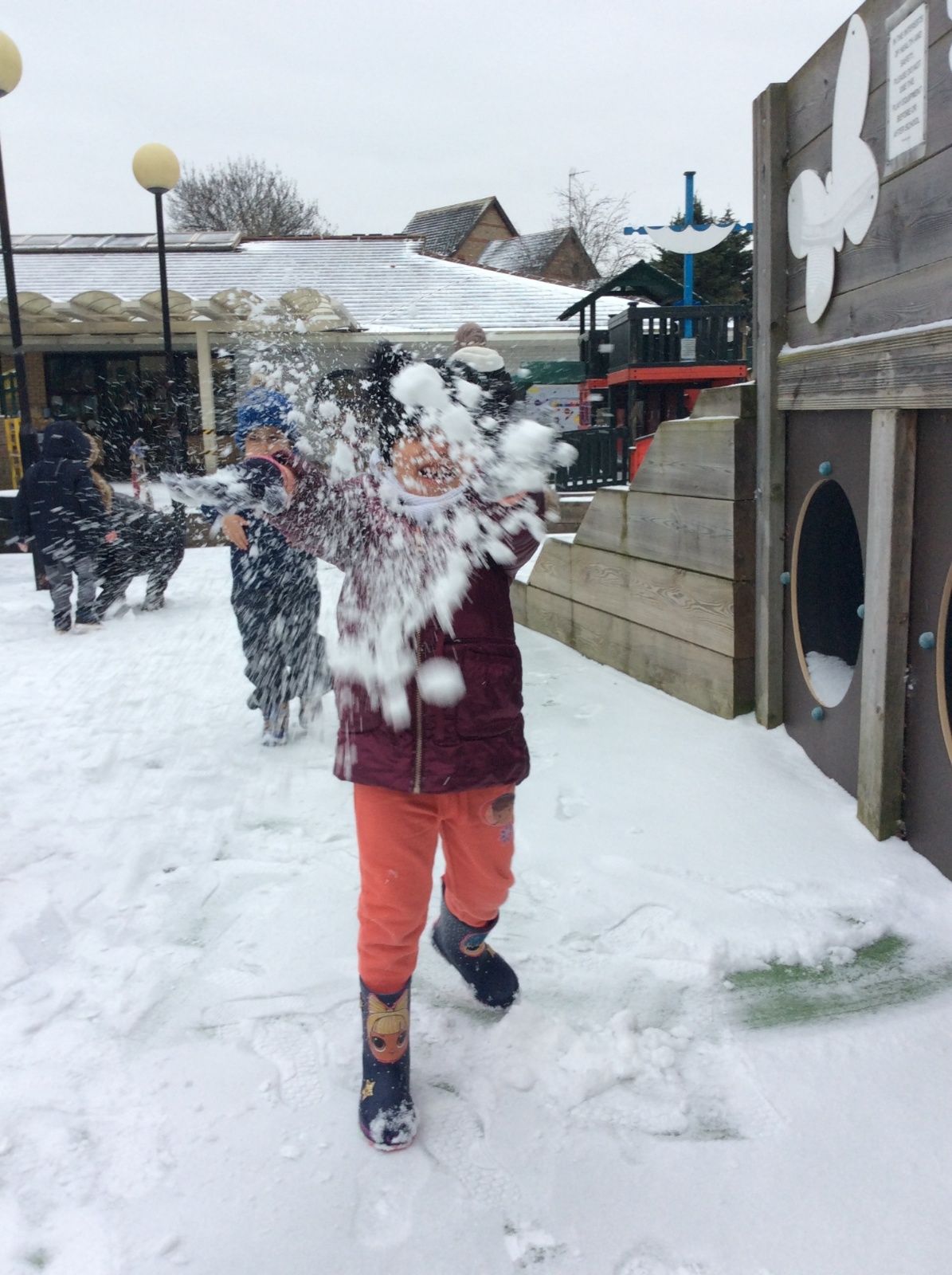
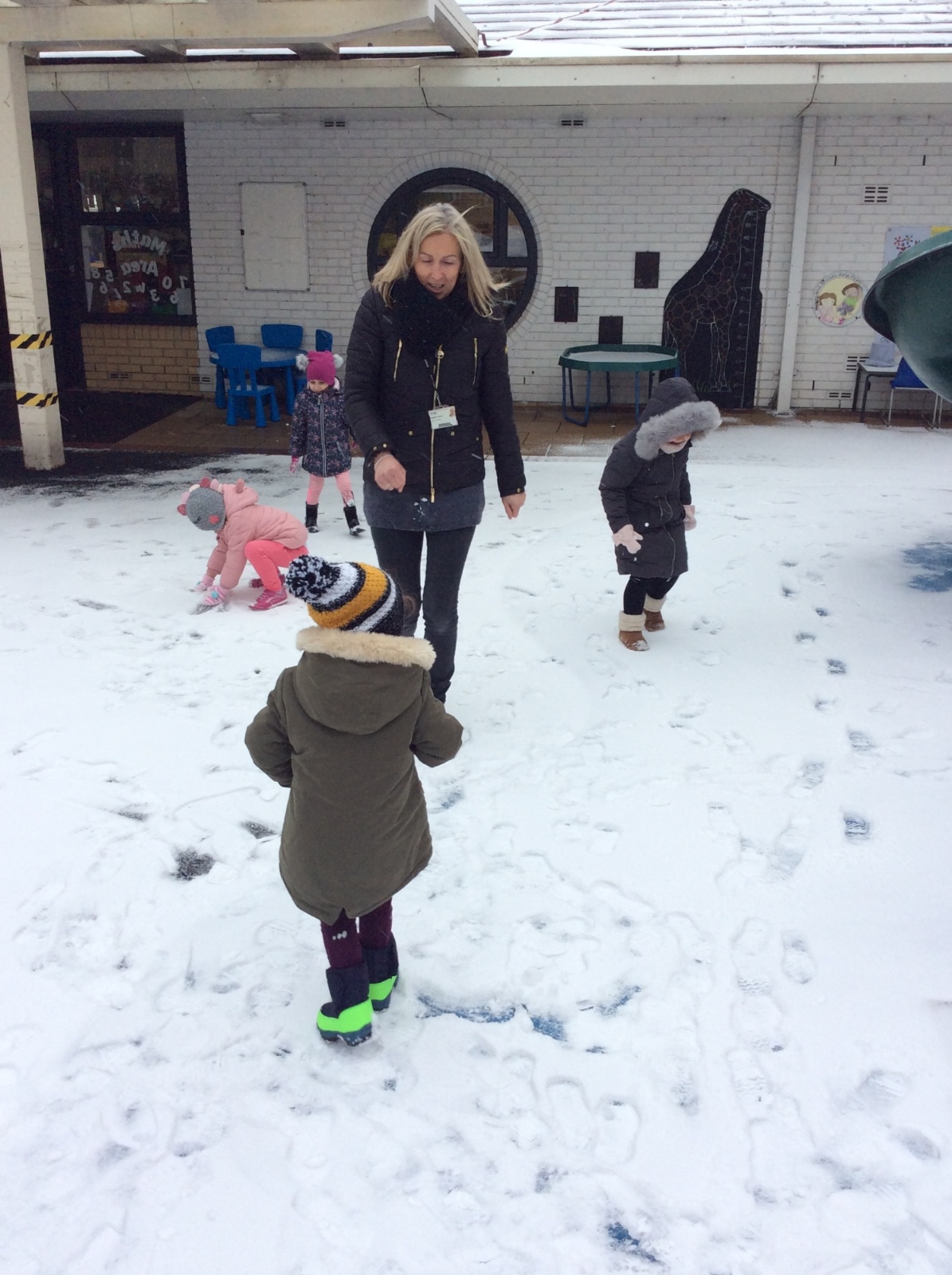
The Nursery children had so much fun playing in the snow. Snow days are a wonderful chance for children to be active outdoors and explore the weather in all sorts of ways – as scientists, artists, geographers and, of course, as children.

Nursery – Autumn 1: Autumn walk
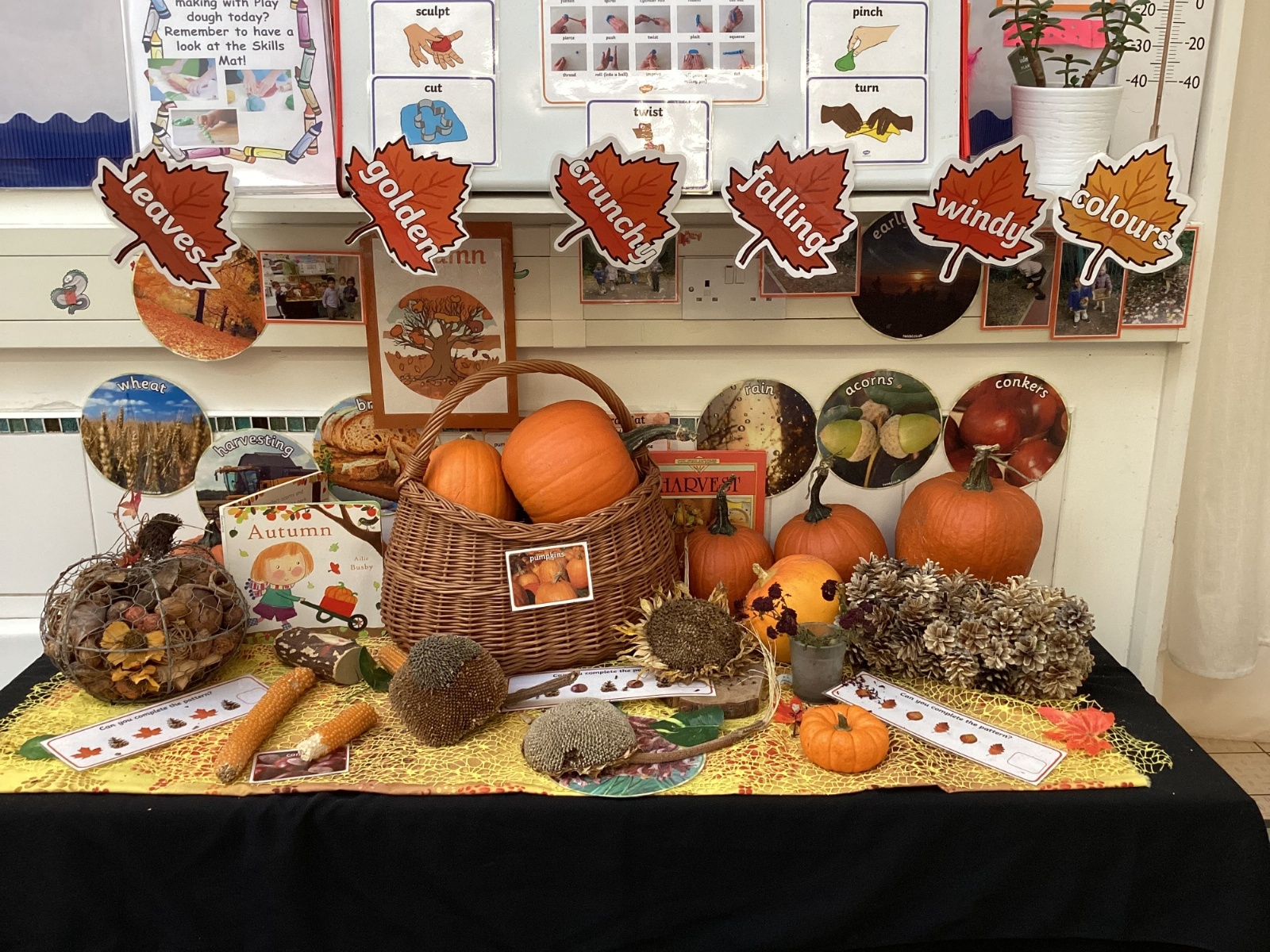
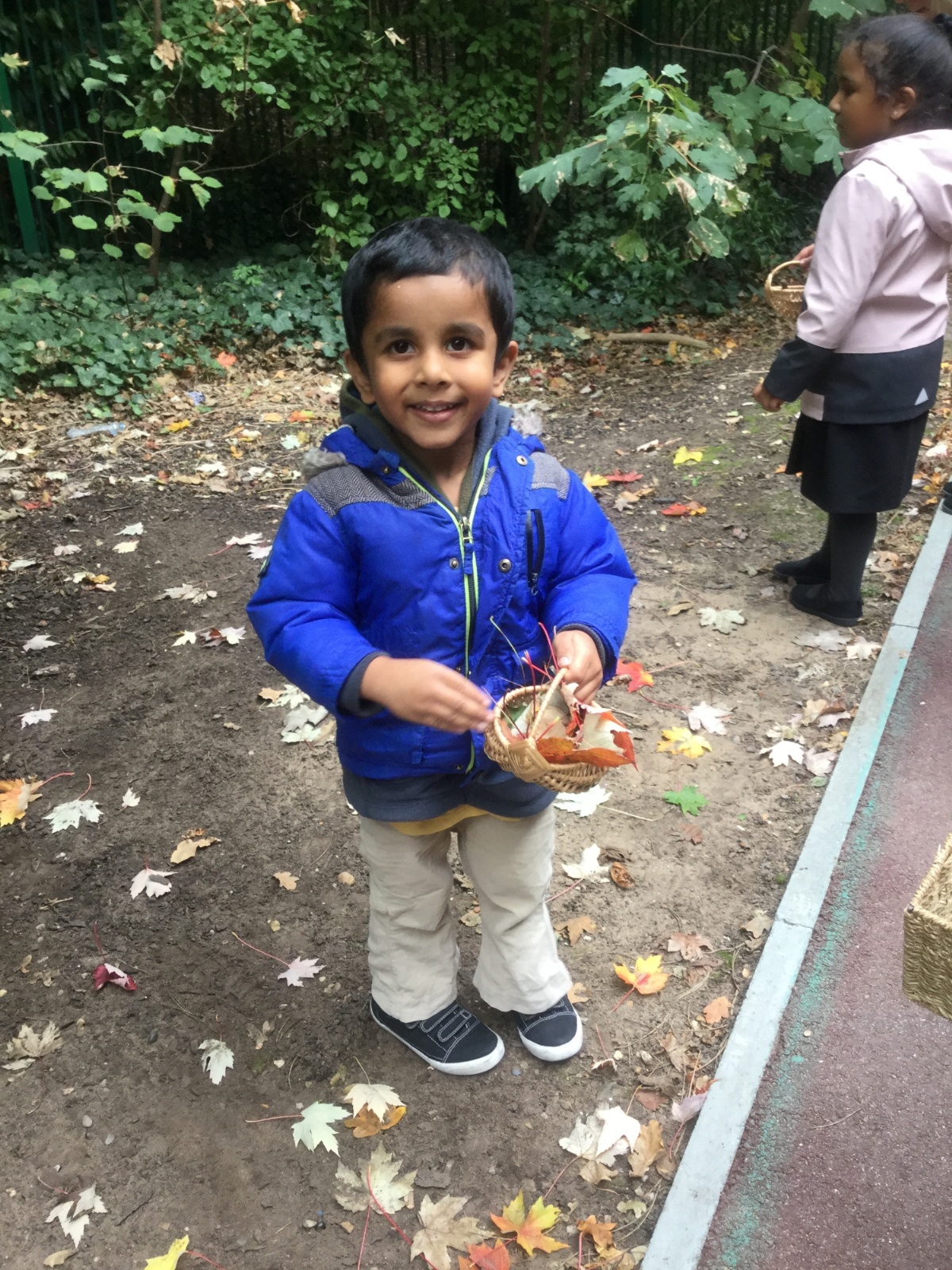
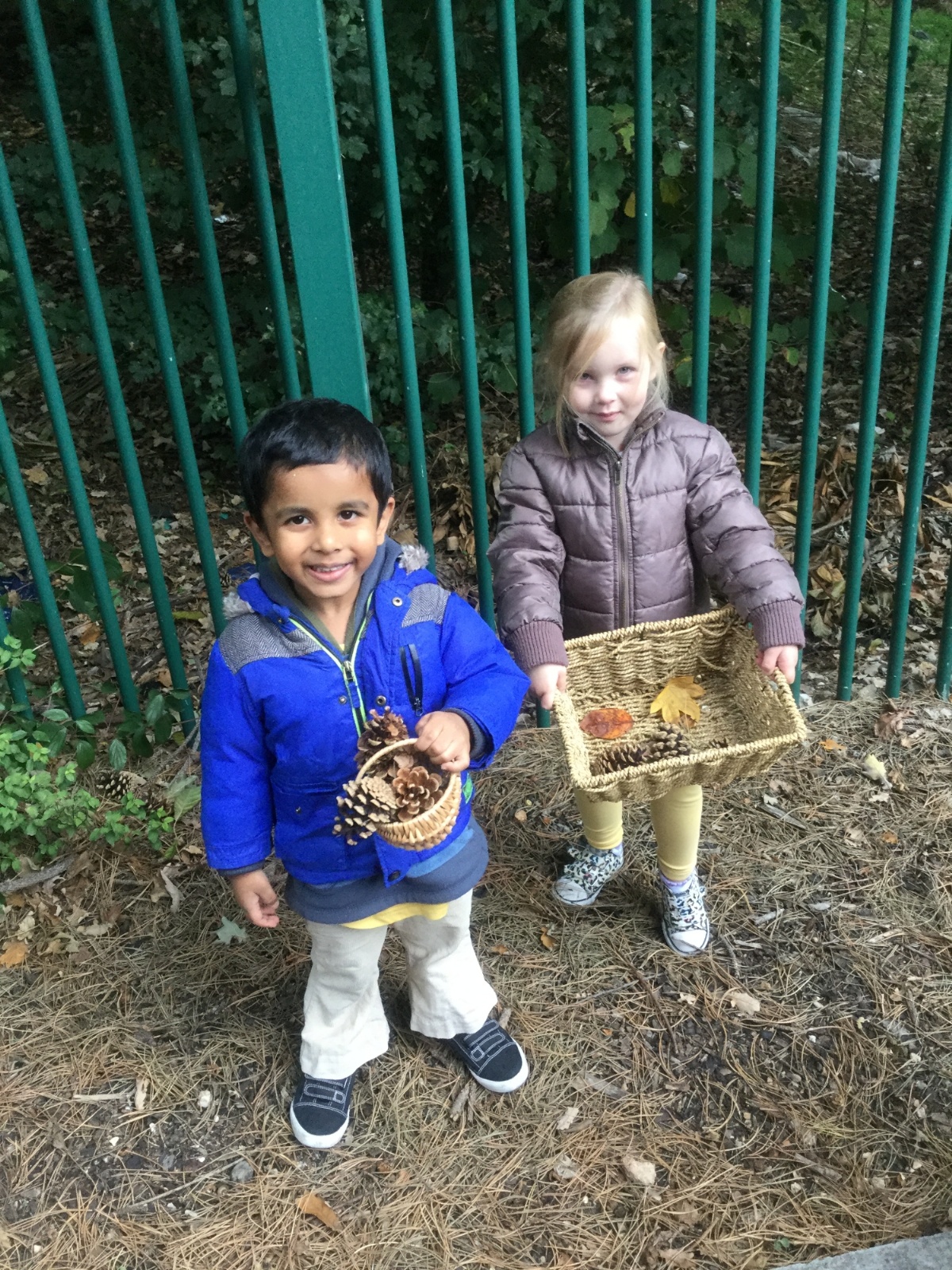
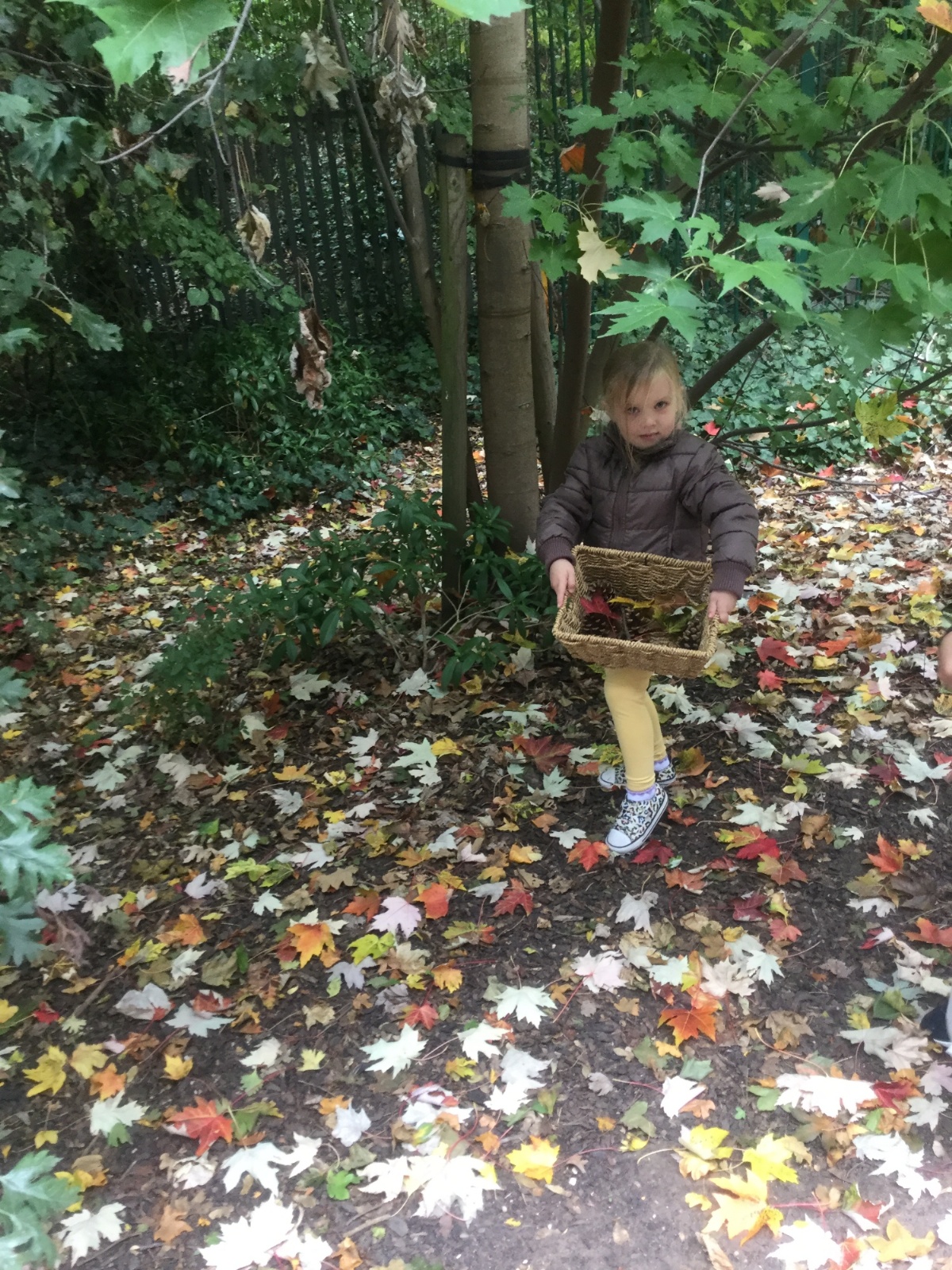
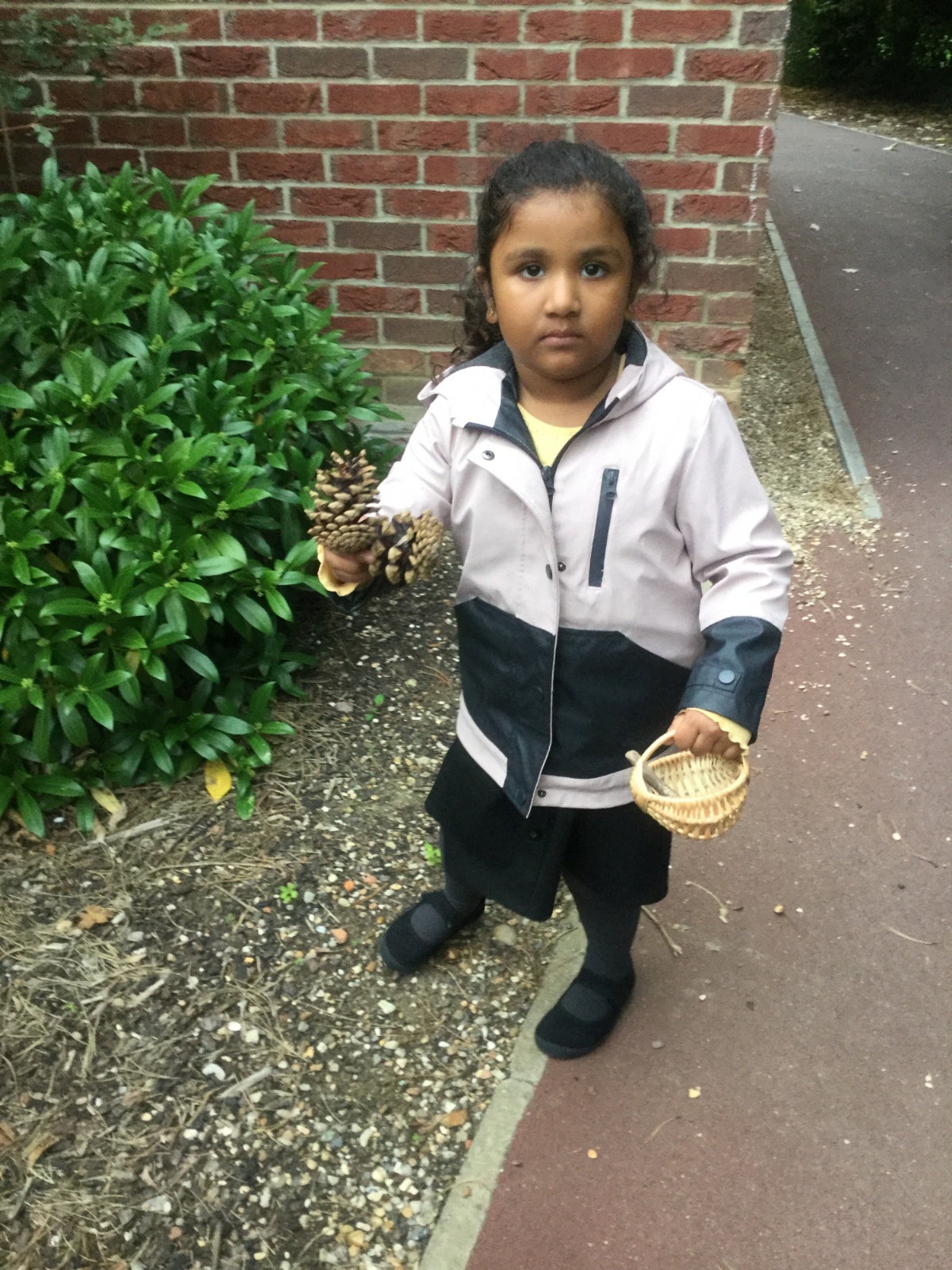
The Nursery children went on an autumn walk around the school, looking for signs that the season was changing. They found leaves of different colours, pinecones, conkers and much more, then set up an autumn display in Nursery.
Nursery – Autumn: Diwali
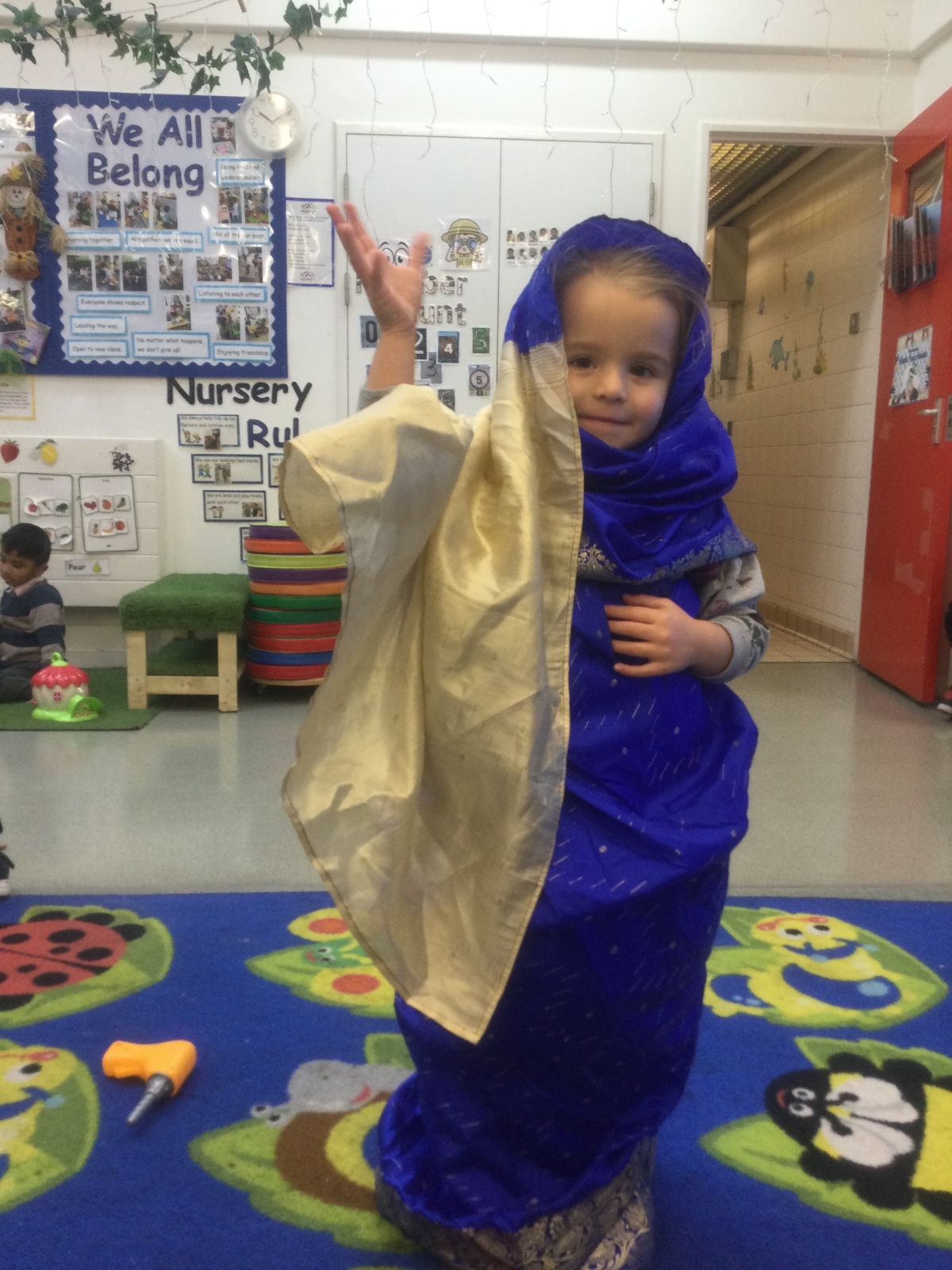
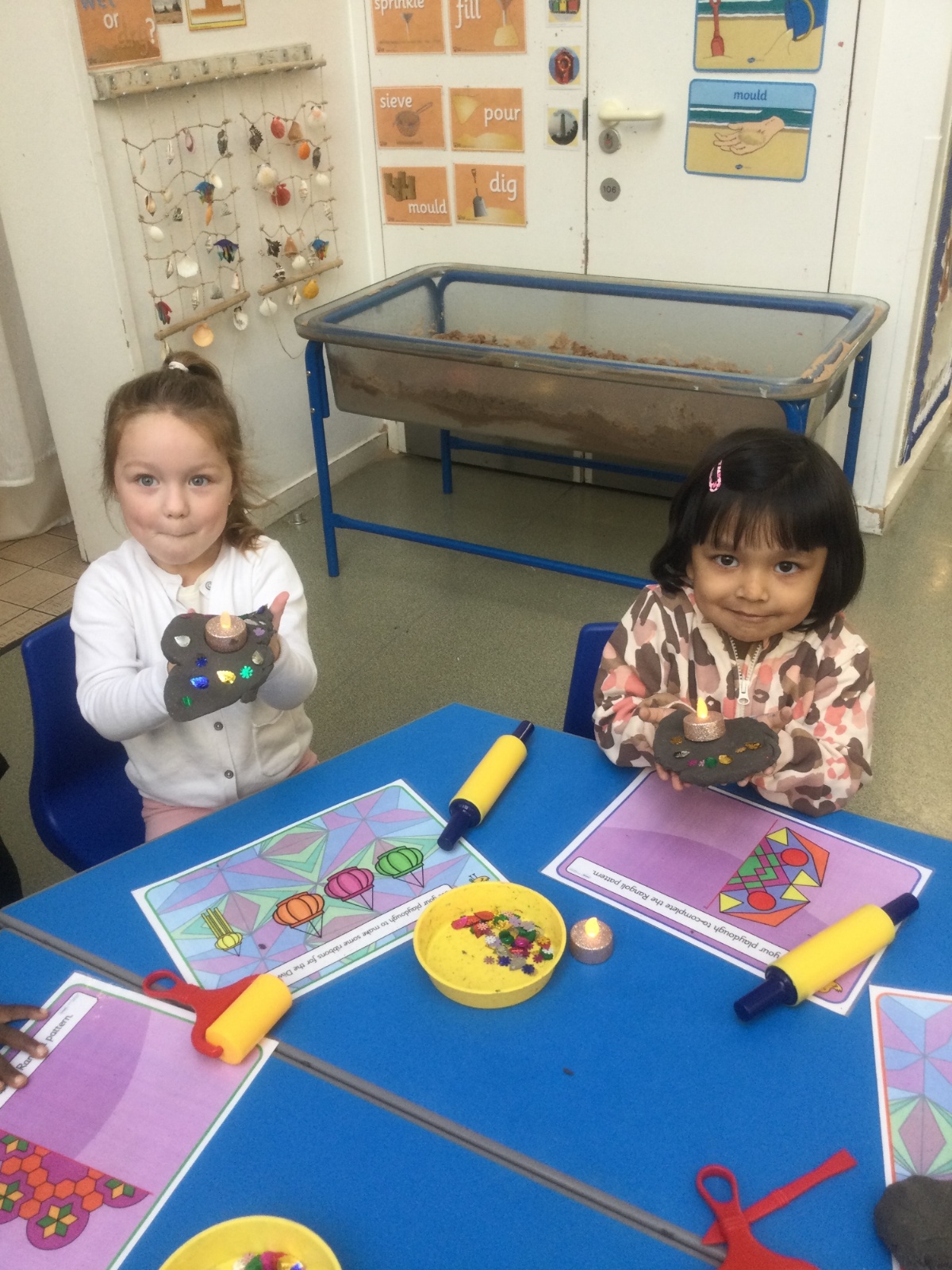
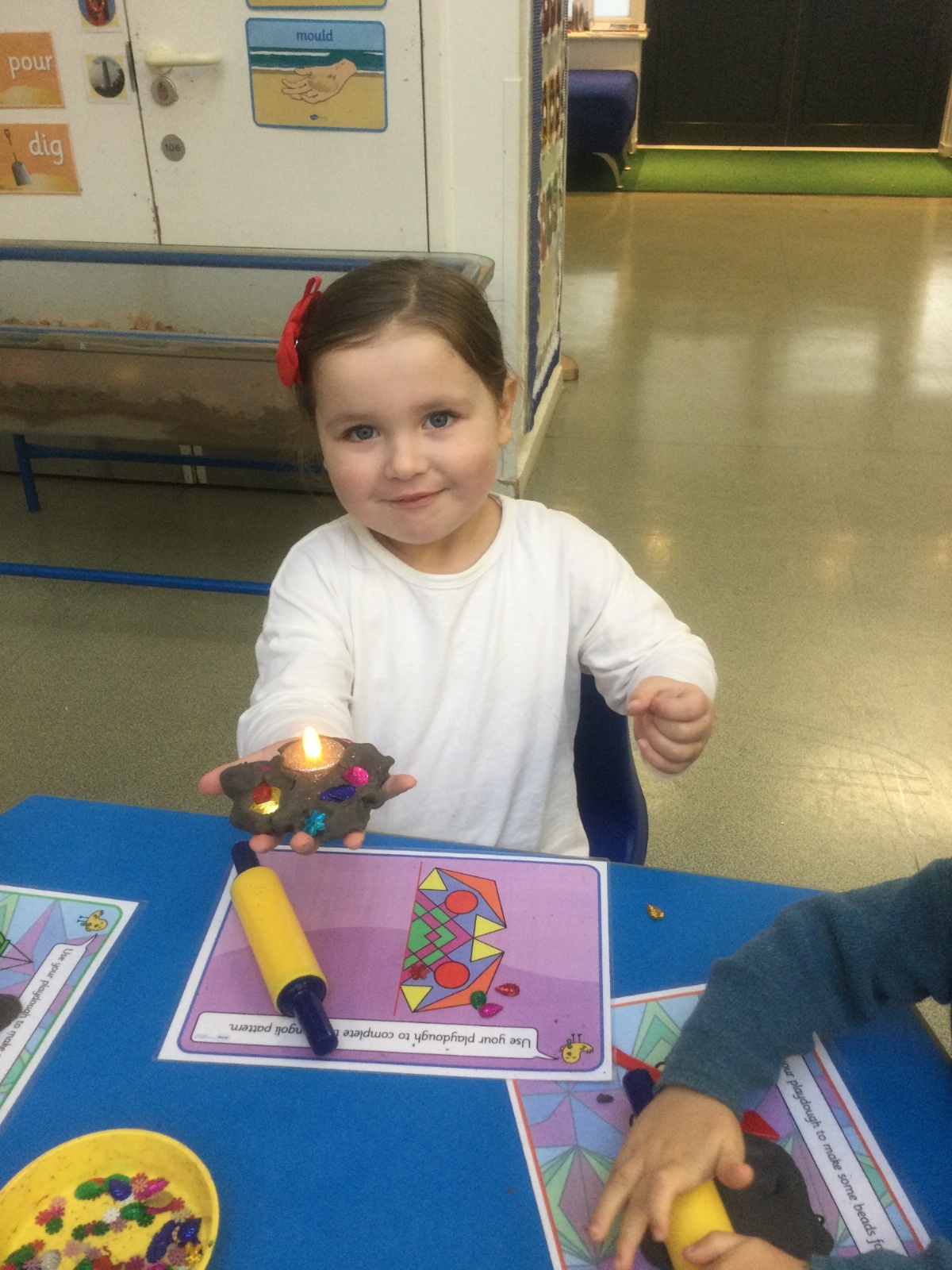
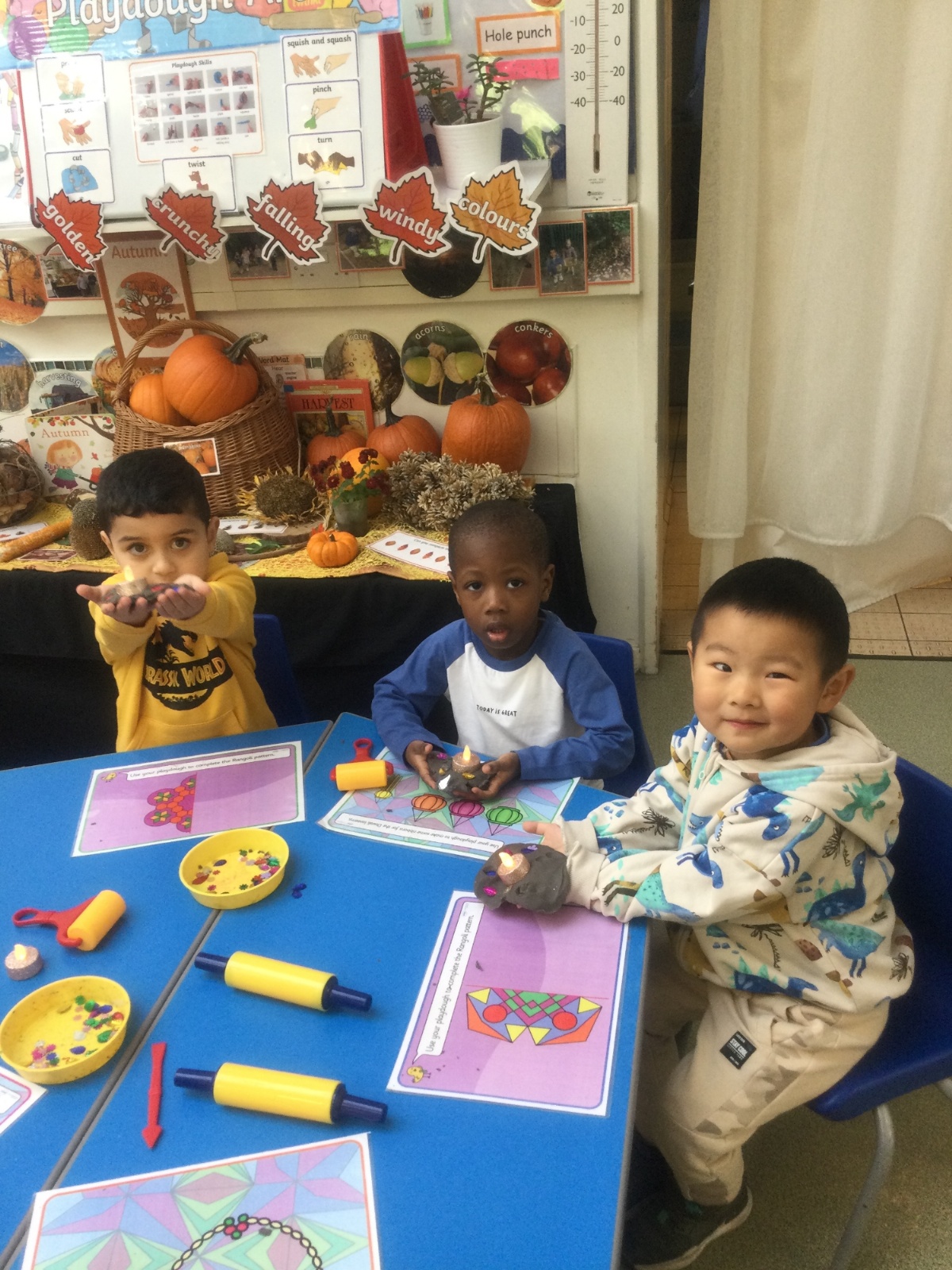
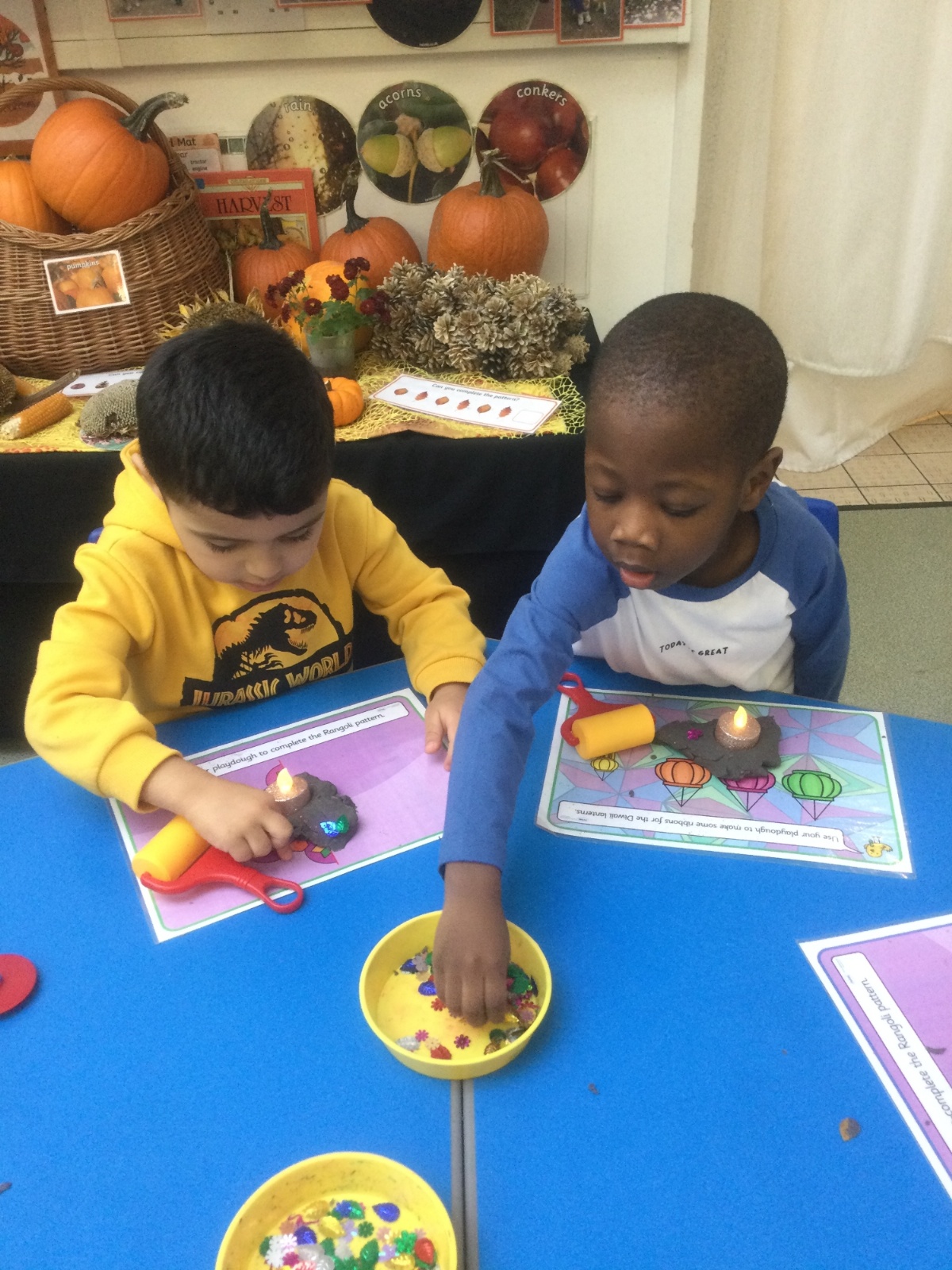
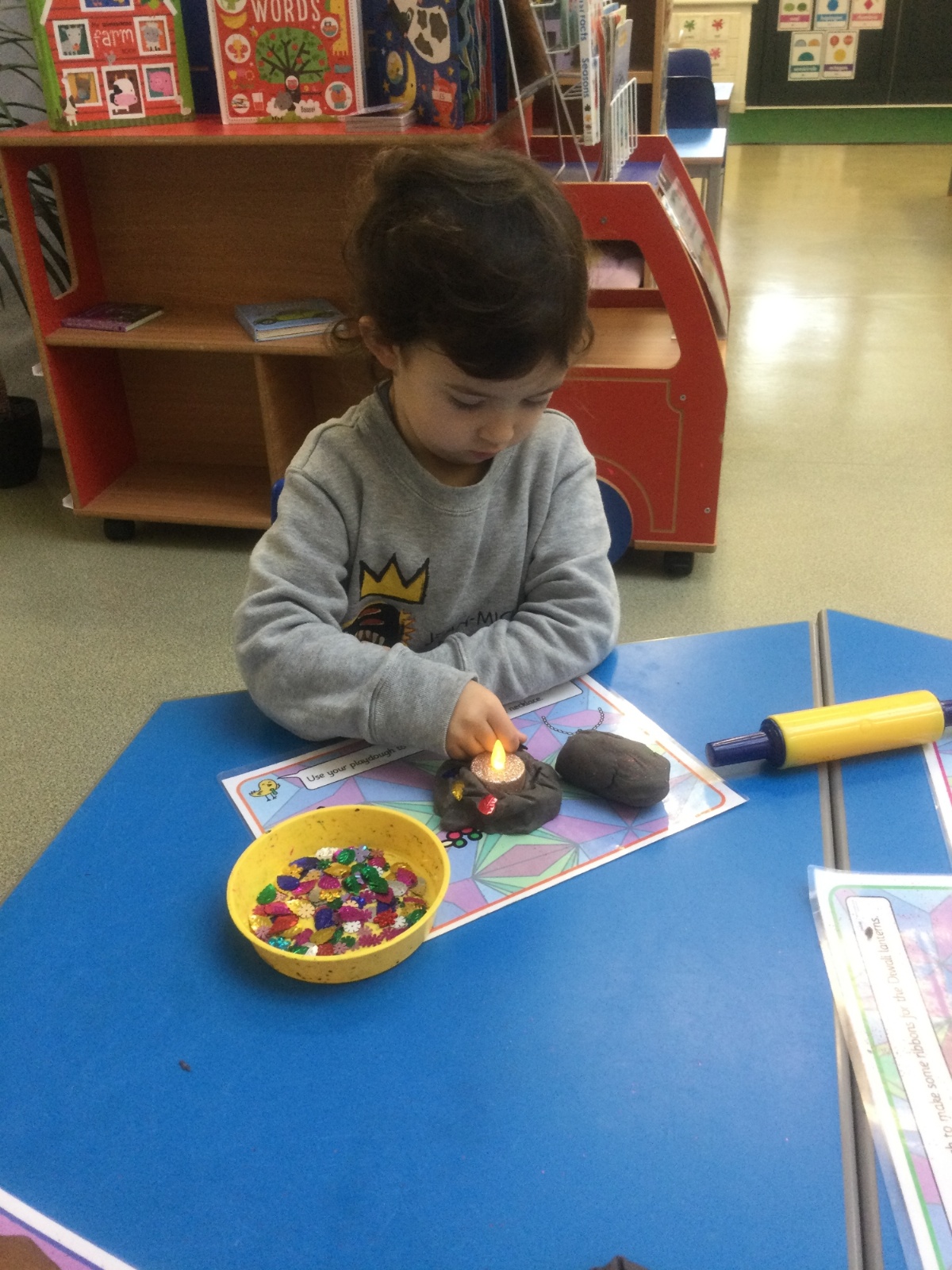
We learnt about the Hindu festival of lights, Diwali, and the story of Rama and Sita. We made diya lamps using play dough, glitter, sequins and jewels, created rangoli patterns and mehndi hand designs, dressed up in traditional clothes and danced to traditional music.
Ideas to try at home
- Encourage your child to use their senses – what does it look, feel and smell like? Explore different textures and find words to describe them.
- Talk about the seasons and the weather, and notice changes together.
- Talk about past and future events, using photographs.
- When out and about, name landmarks, animals, plants and birds you see.
- Use books and television to talk about other countries and cultures.
Expressive Arts and Design
Children explore and play with a wide range of media and materials, and share their thoughts, ideas and feelings through art, music, movement, dance, role play, and design and technology.
Recent learning
Reception – Spring 2: Spider sculptures
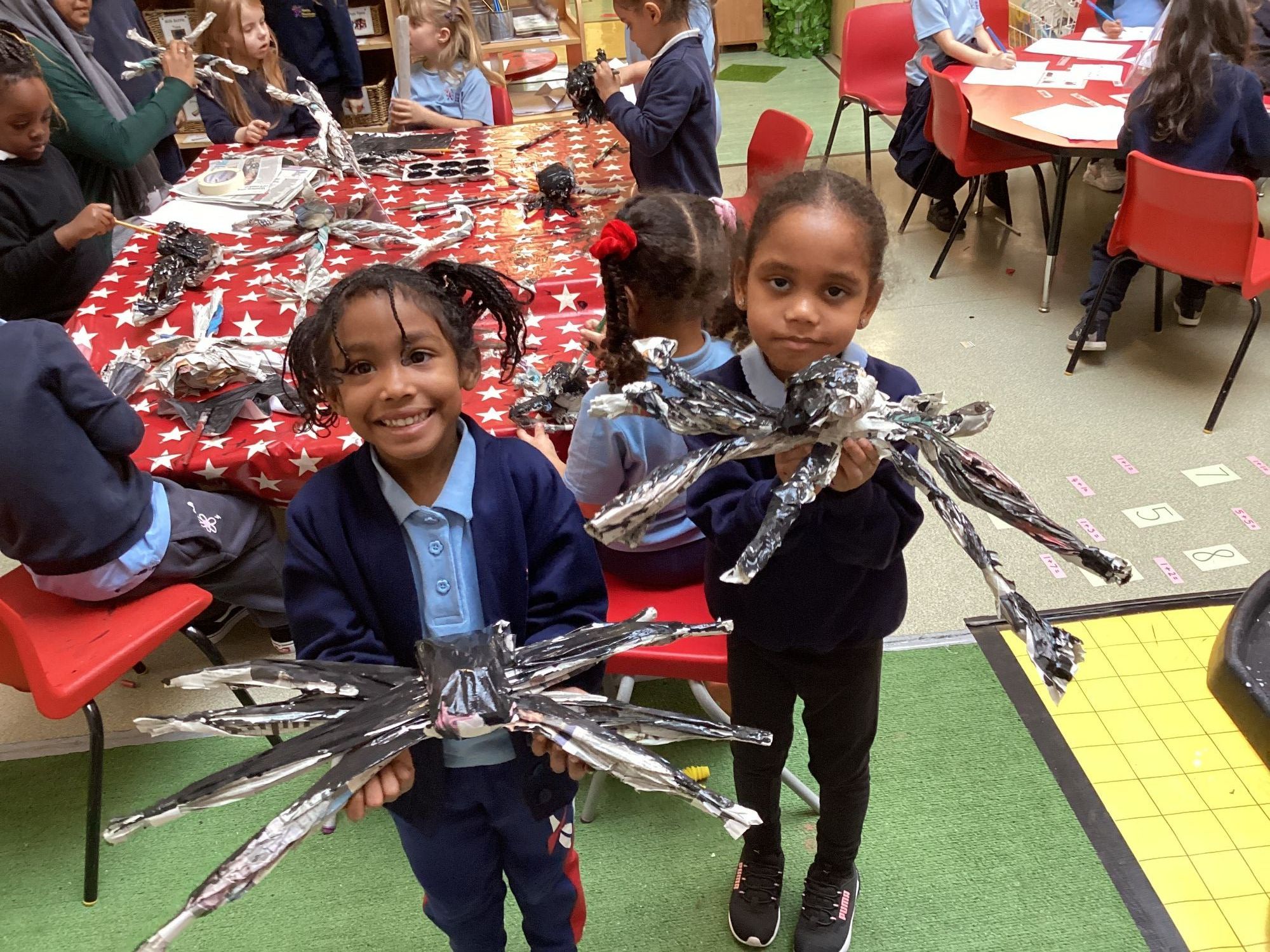
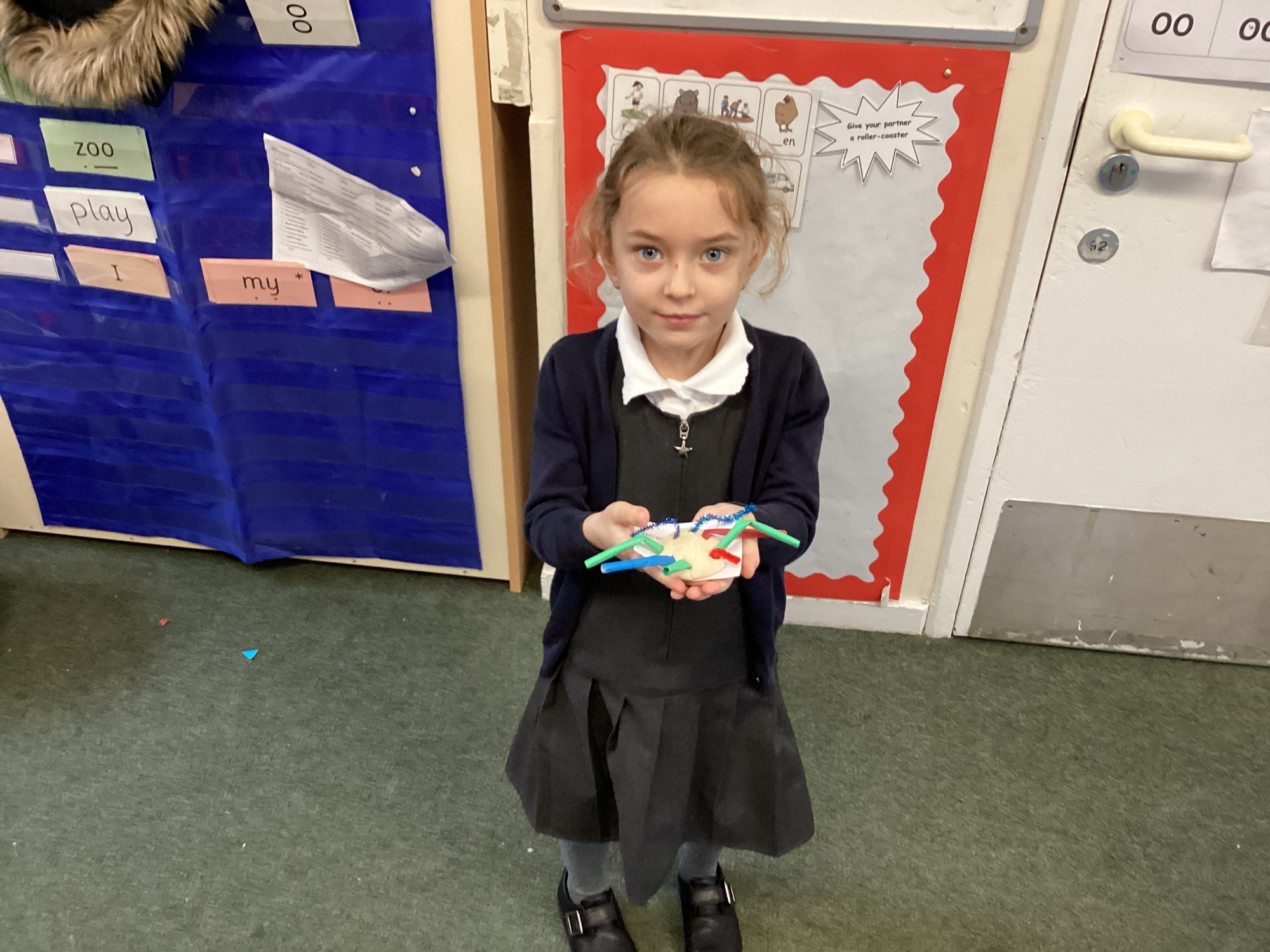
We made spider sculptures inspired by the artist Louise Bourgeois. We used 3D shapes made from salt dough for the spiders’ bodies, and pipe cleaners and straws for the legs.
Reception – Spring 2: People Who Help Us
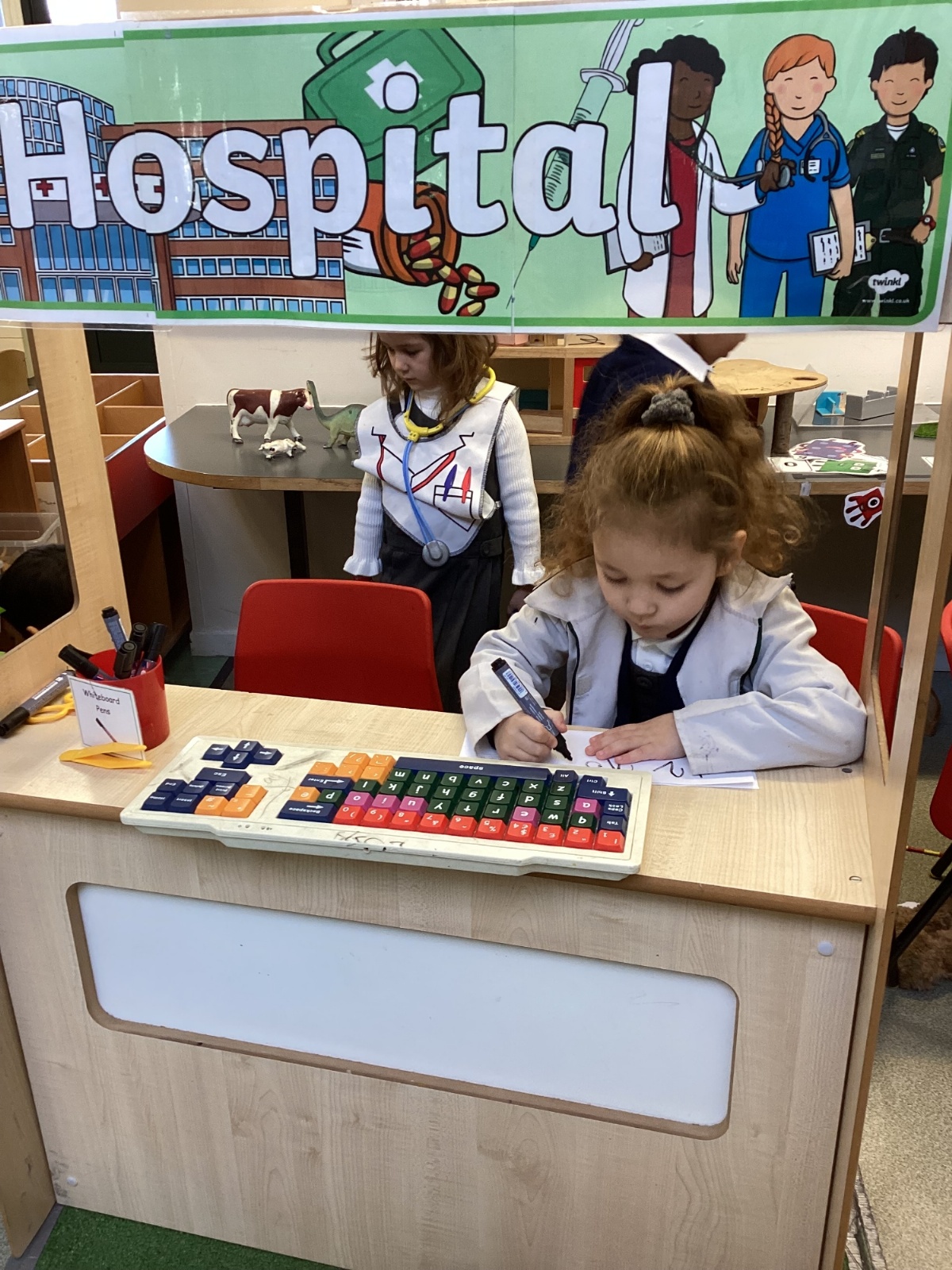
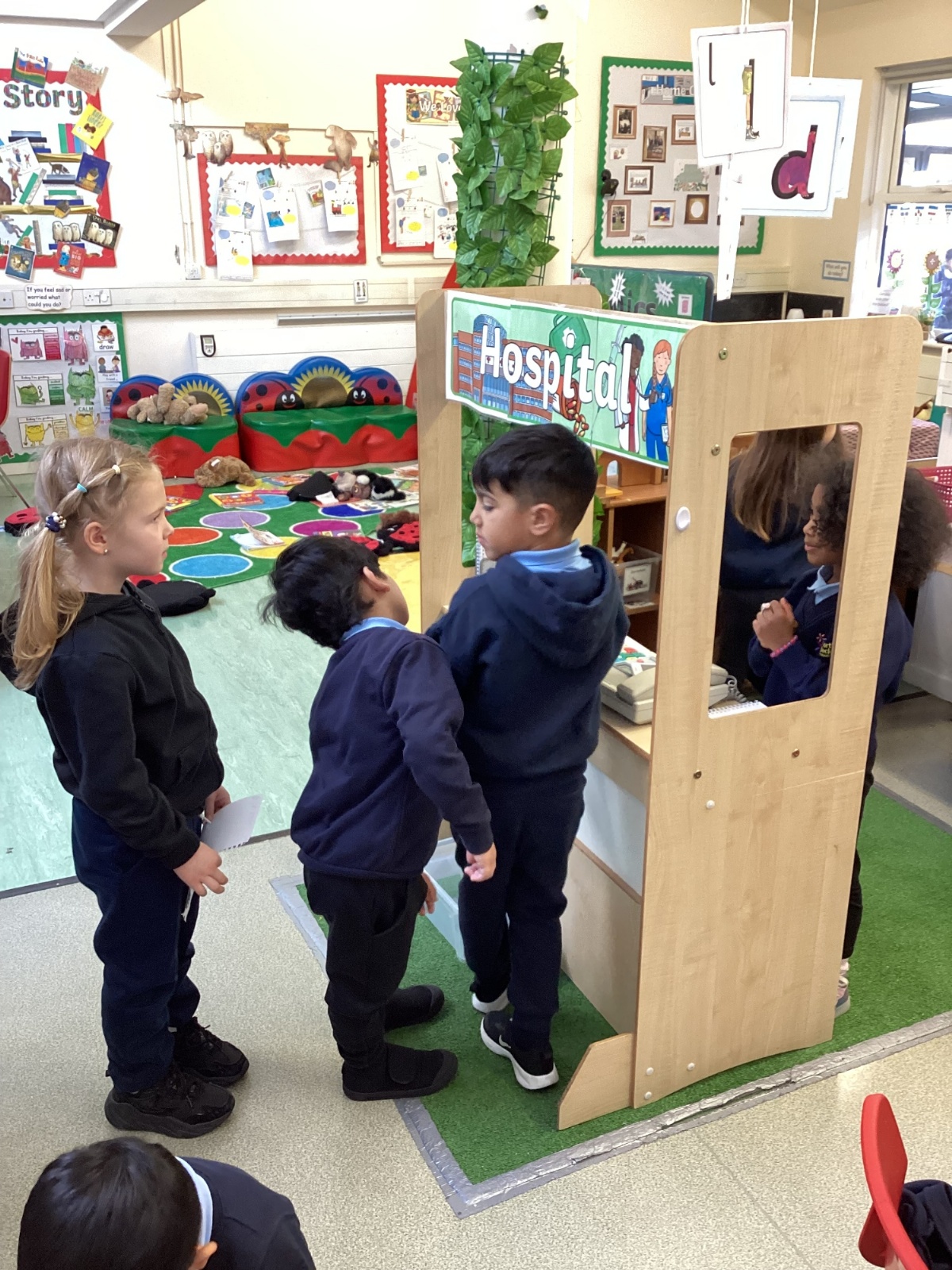
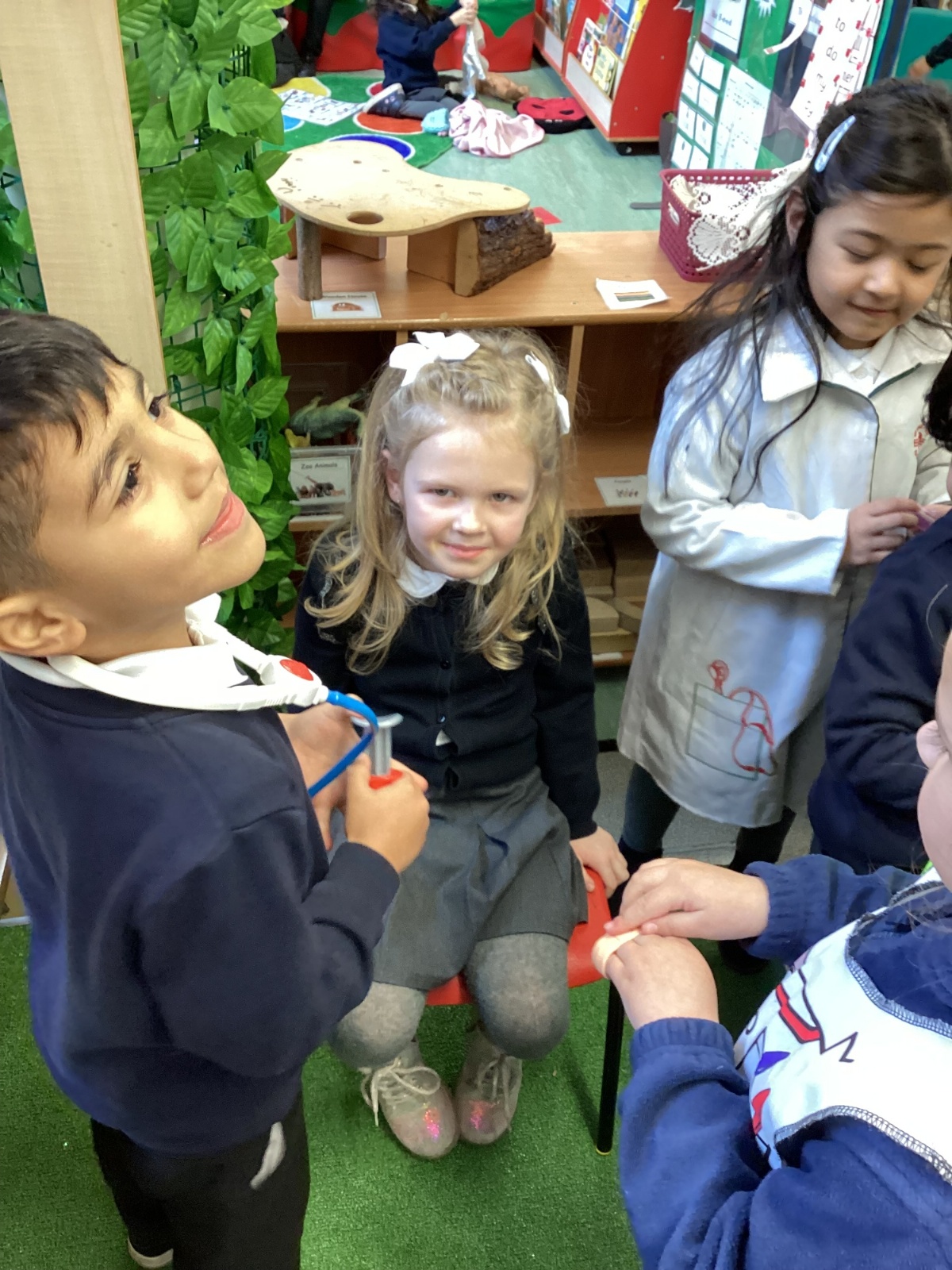
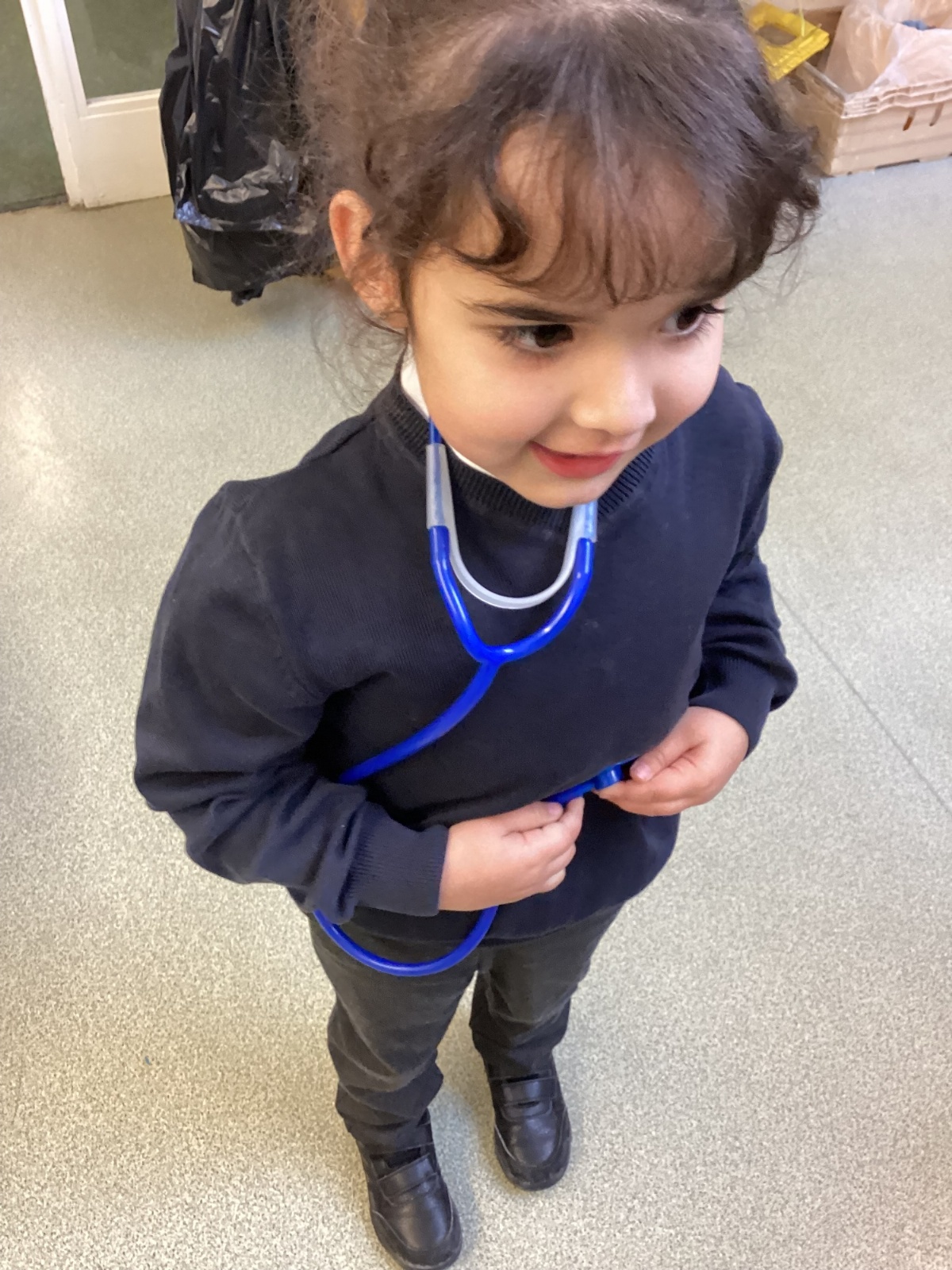
We have been learning about people who help us. The children loved the hospital role play, dressing up as doctors and treating patients.

Reception: Music with Mr Murdoch
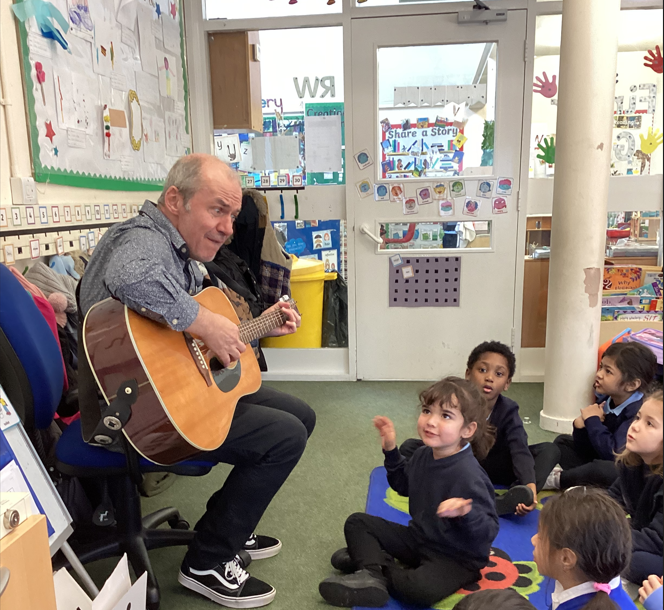
Mr Murdoch, our music teacher, visited with his guitar and played lots of our favourite songs. We practised singing quietly and loudly, quickly and slowly. We can’t wait for him to come back!
Ideas to try at home
- Give your child paint, crayons or boxes to experiment and make models with.
- Listen to different kinds of music together.
- Let your child dress up and use props to act out plays and games.
- Make simple puppets from old socks or wooden spoons.
- Ask open questions about their drawings and paintings, such as “Tell me about your picture.”
Edible Garden and Outdoor Learning
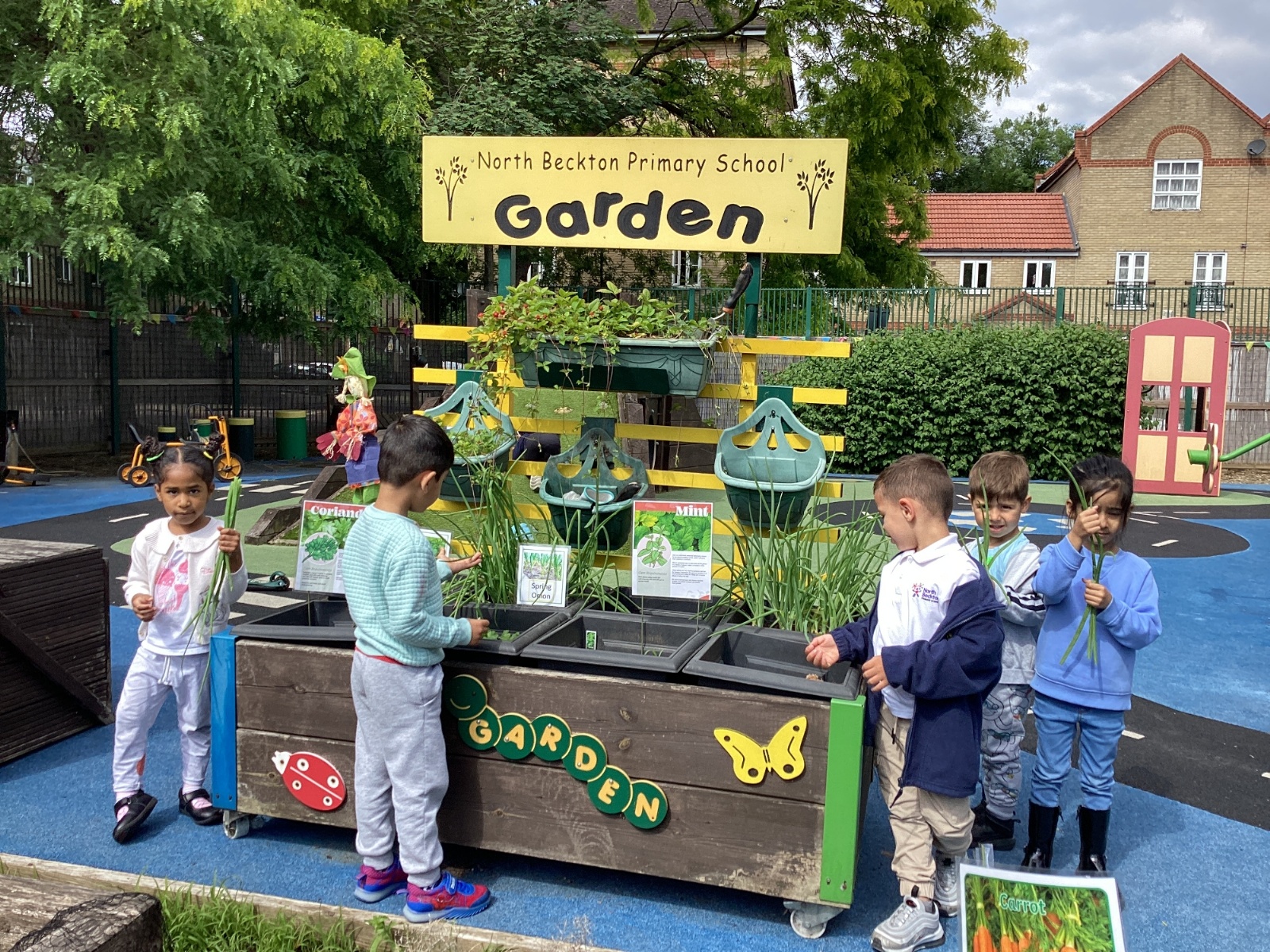
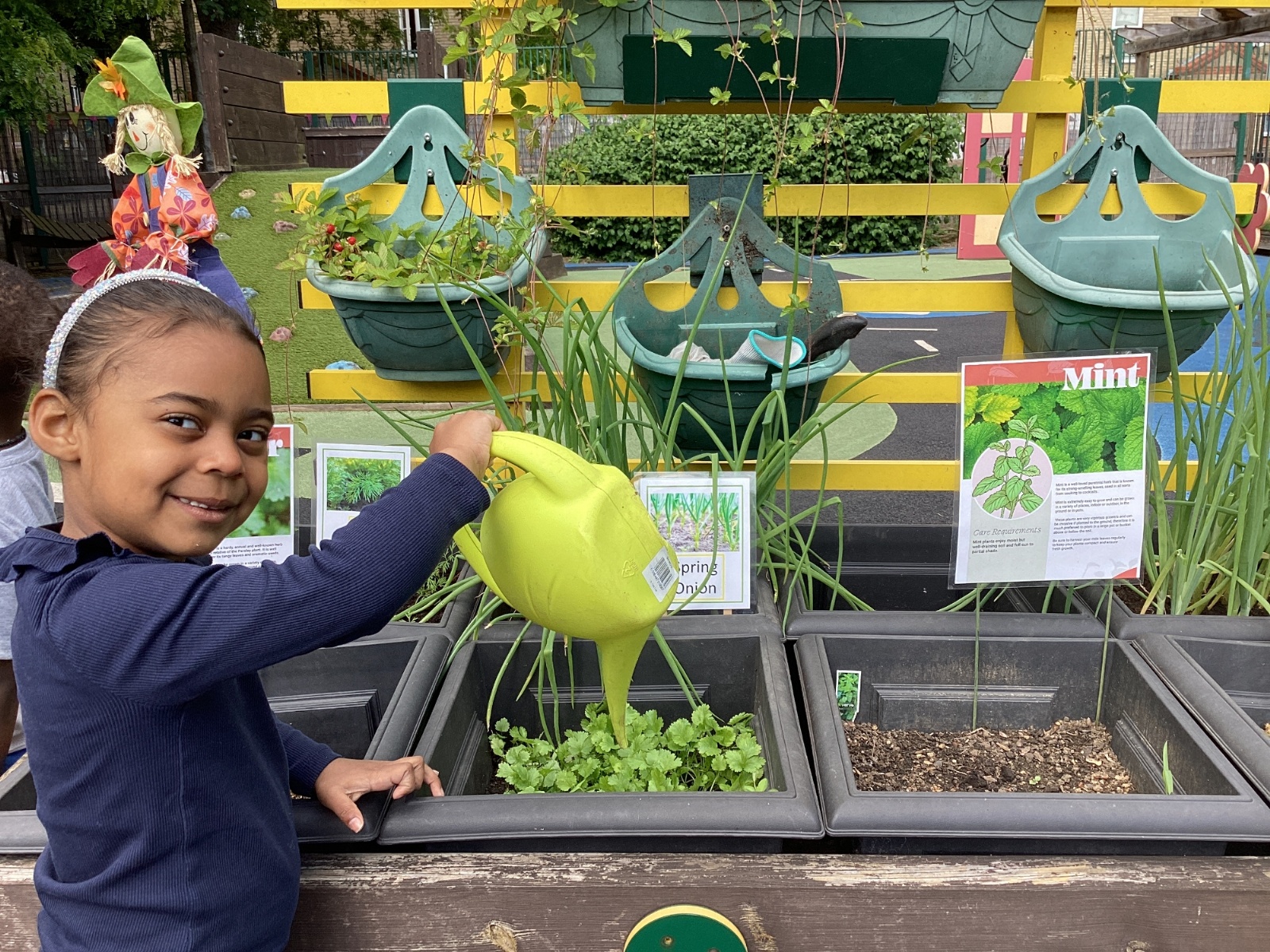
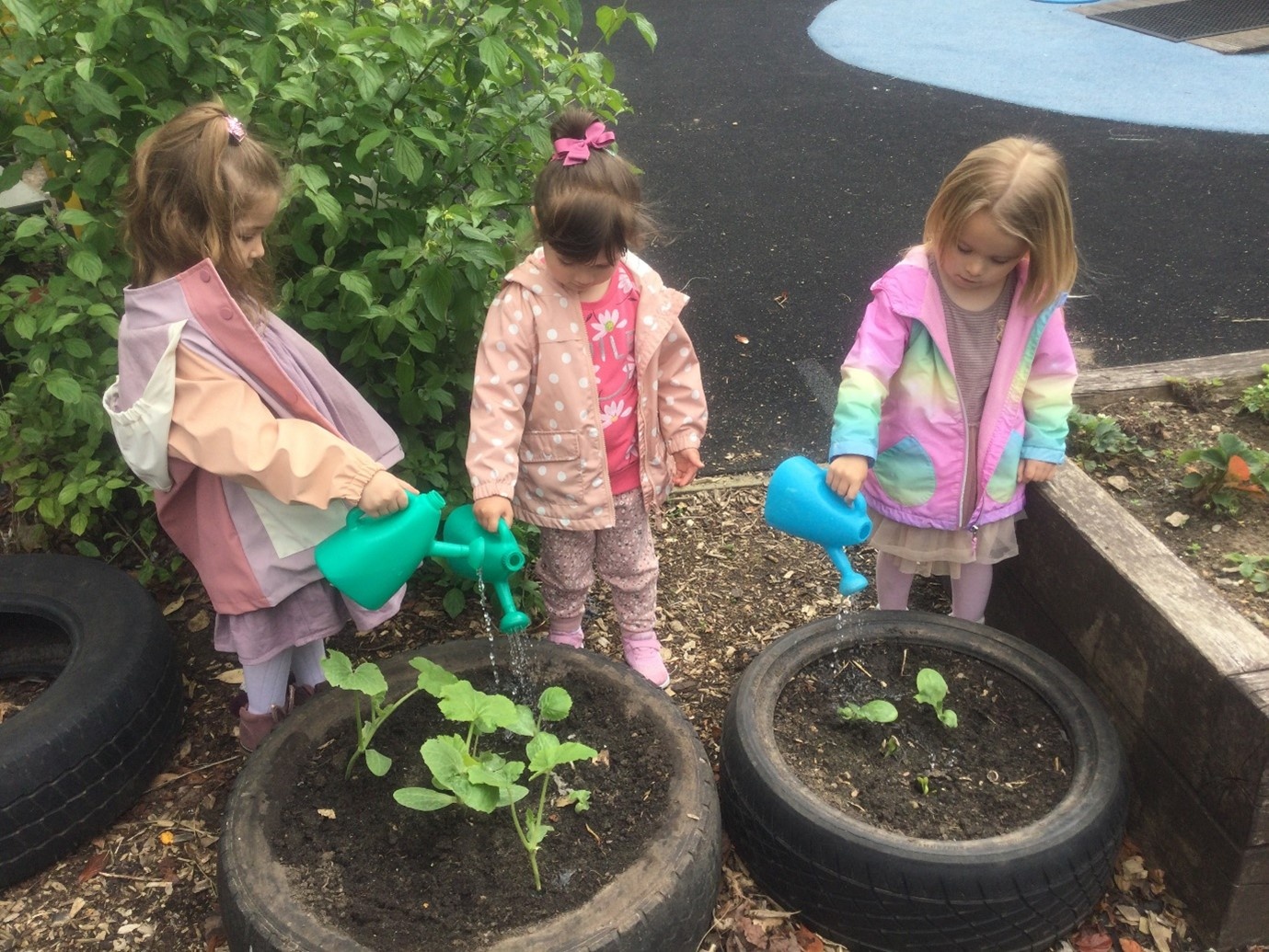
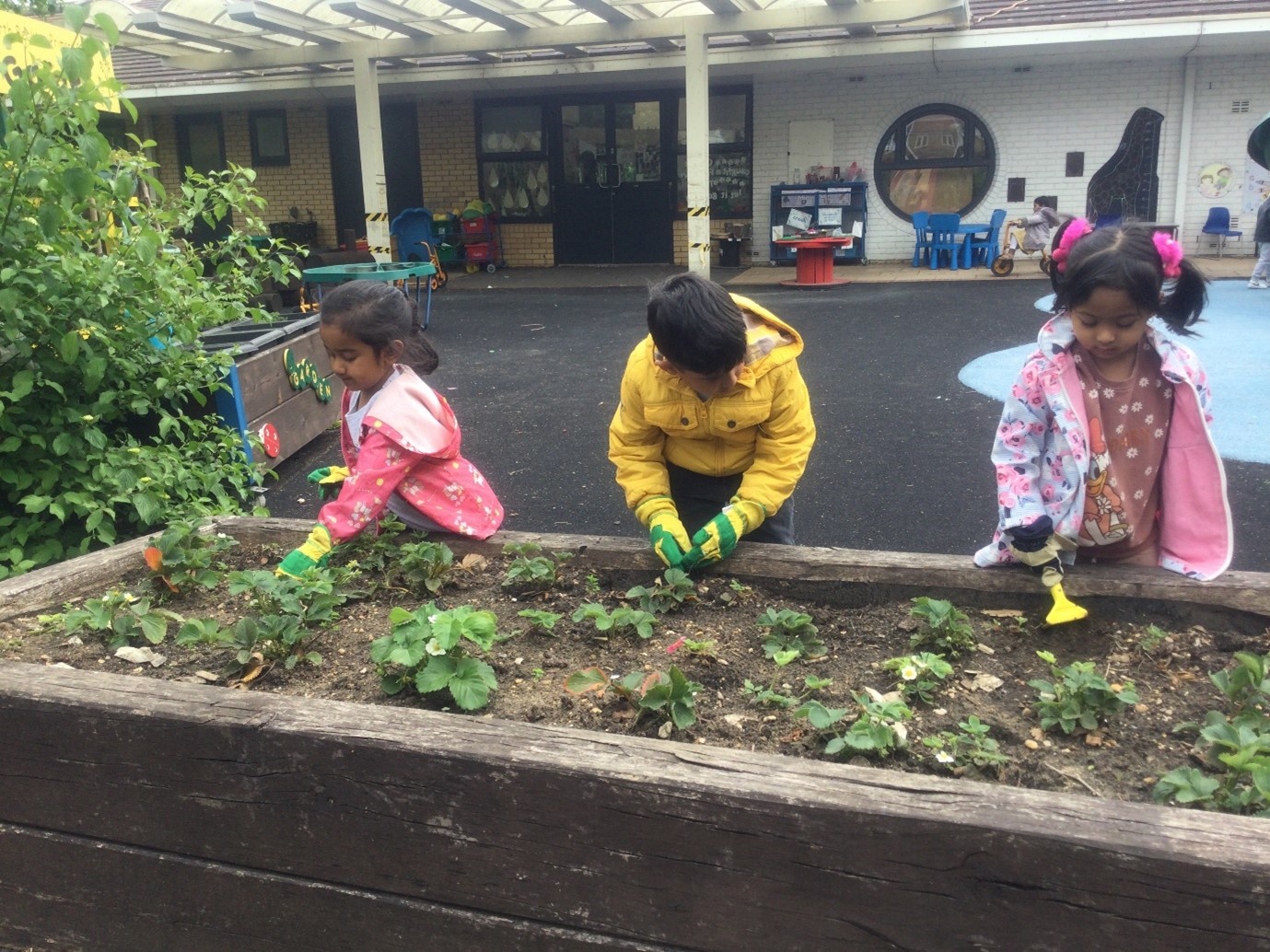
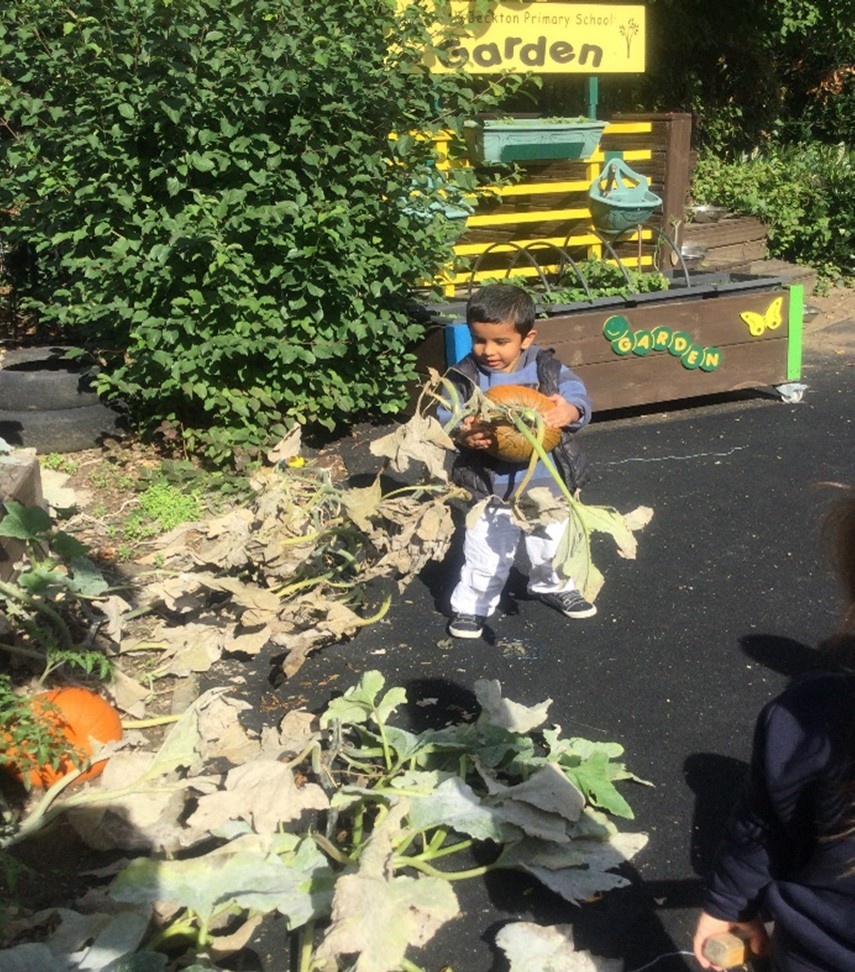
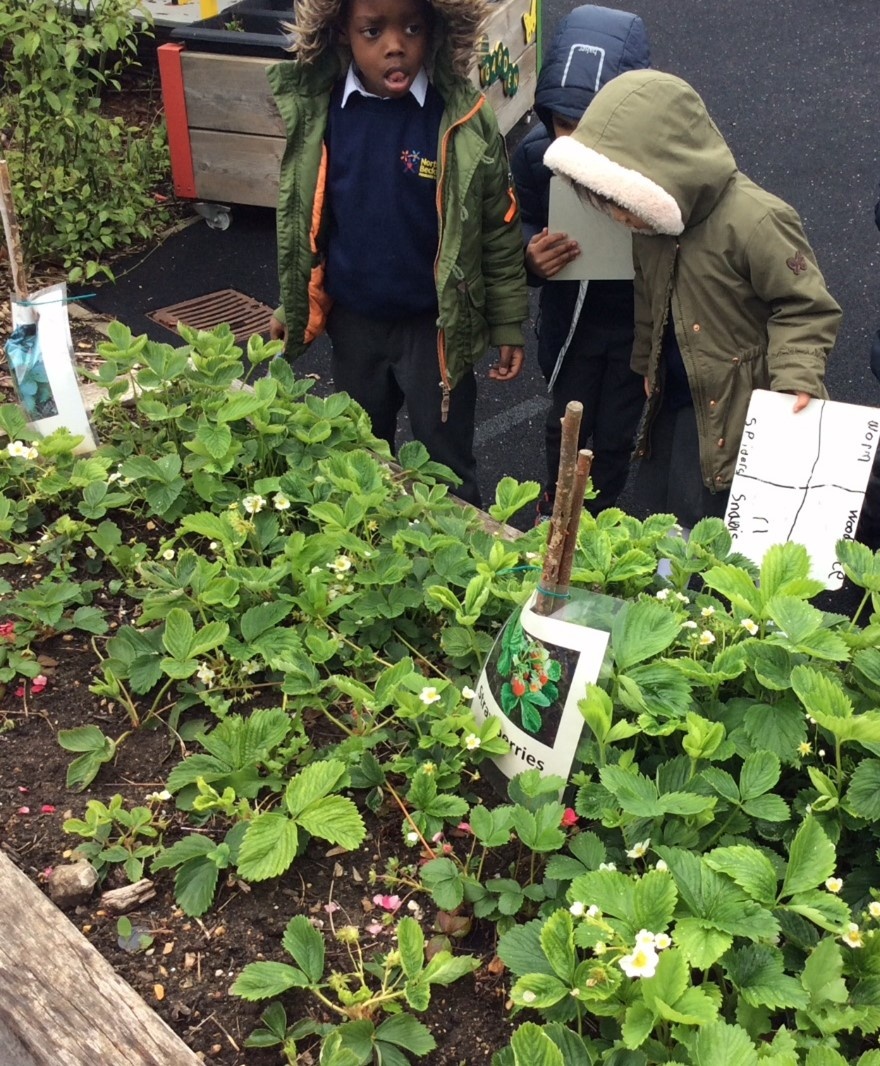
We give our children exciting opportunities to connect with nature. In our Edible Garden, they get real, hands-on experience of growing their own food and learn about the beauty and wonder of the natural world.
We use our outdoor spaces for learning across the curriculum, as well as for gardening activities that build specific knowledge and skills. Children learn about growing edible plants, their health and the environment, and gain skills they can use outside school.
Recent learning
Nursery – Summer
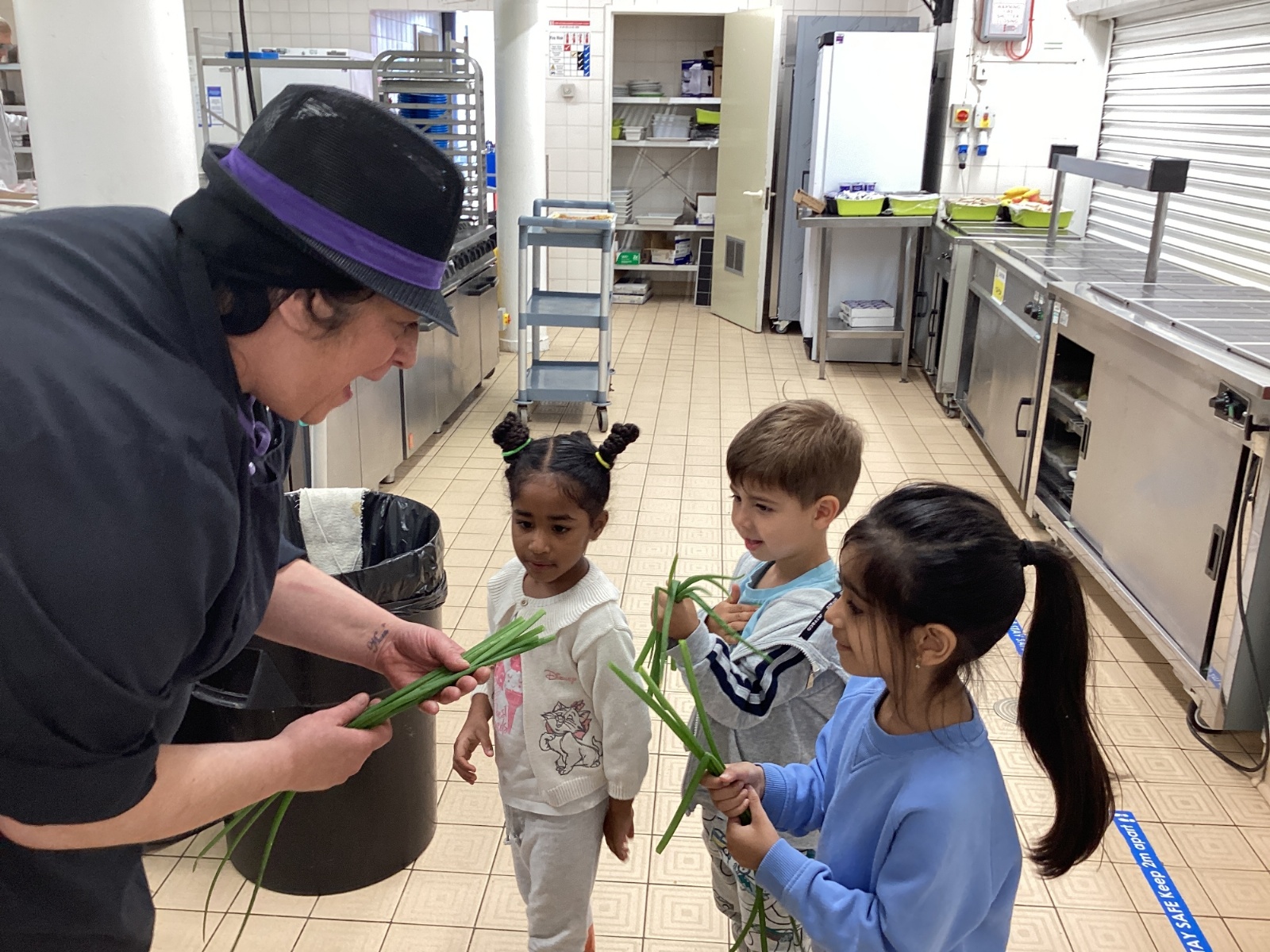
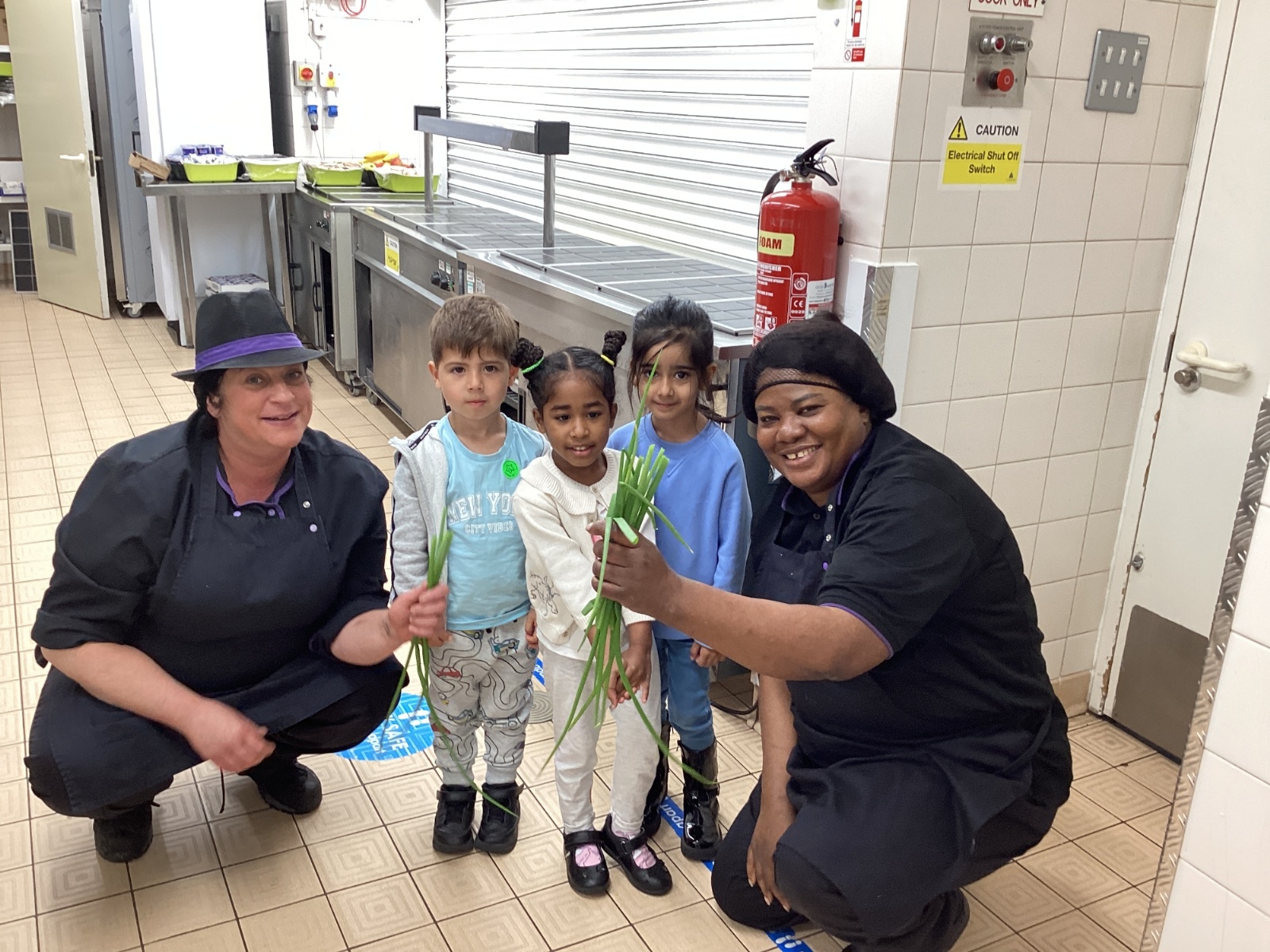
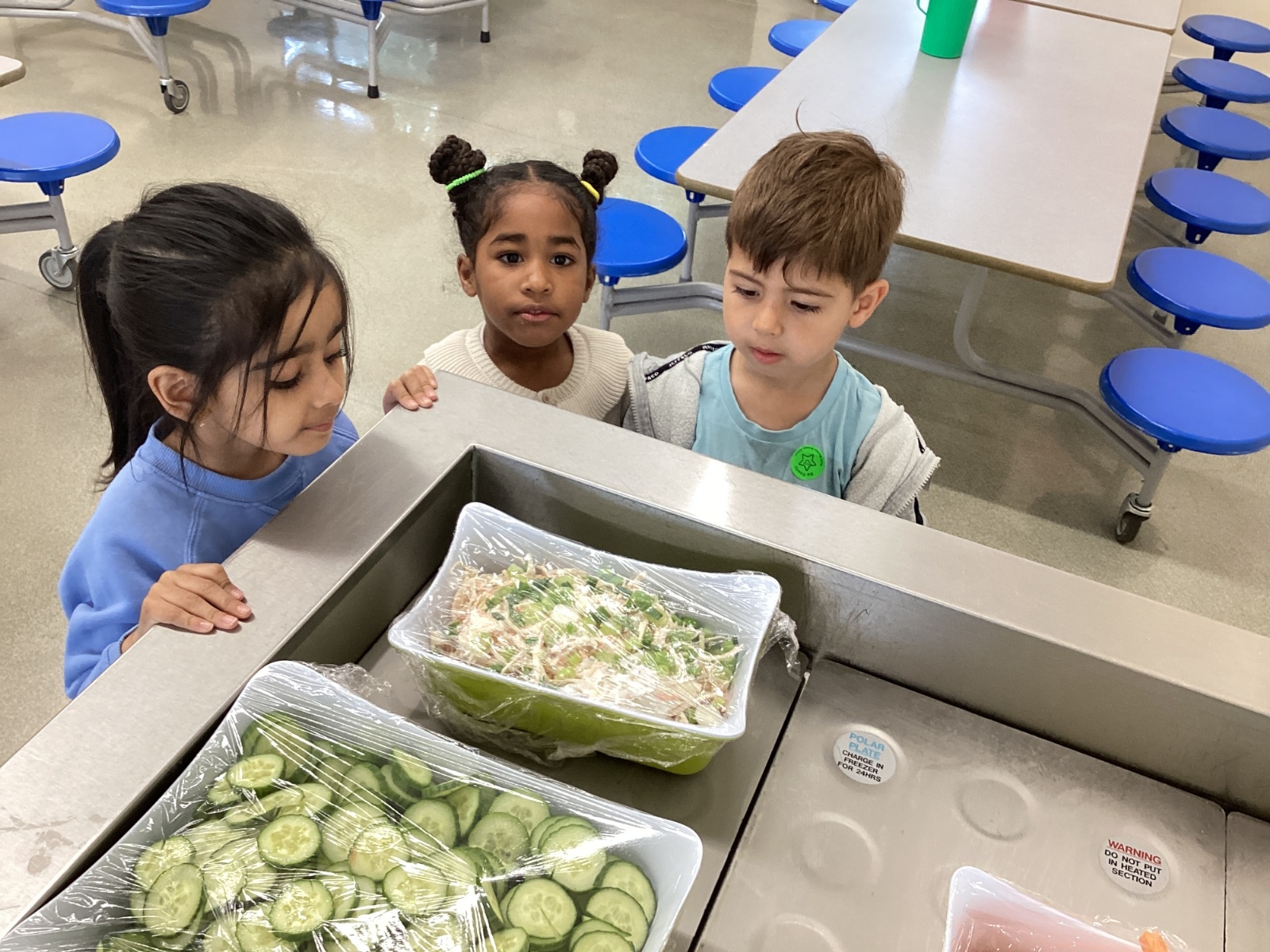
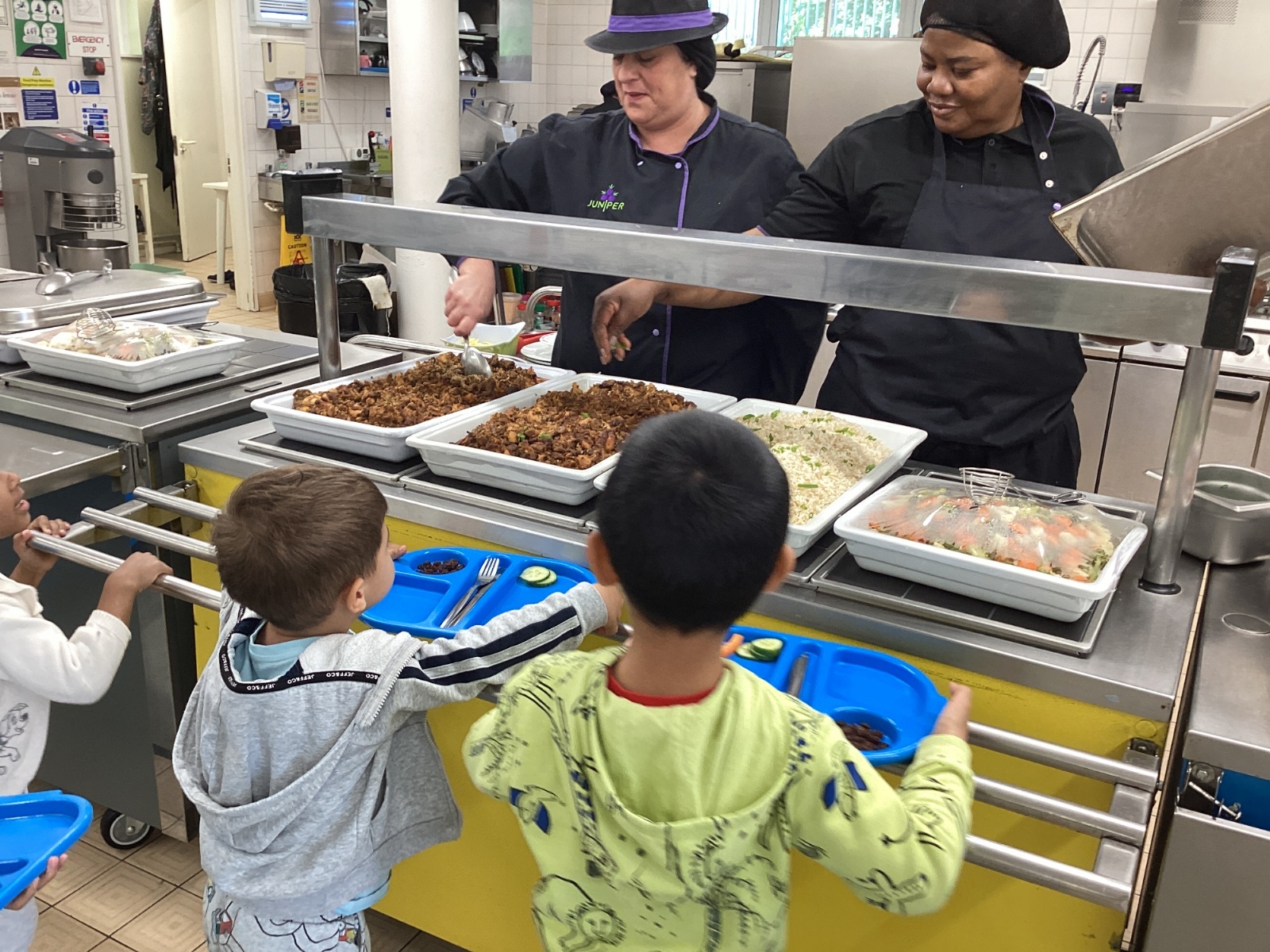
Our Nursery children have been planting seeds in our edible garden beds, and some vegetables have already started to grow! We picked fresh spring onions and gave them to our kitchen to add to school dinners. Gardening helps us learn where our food comes from – we can’t wait to see what grows next!
Nursery – Autumn
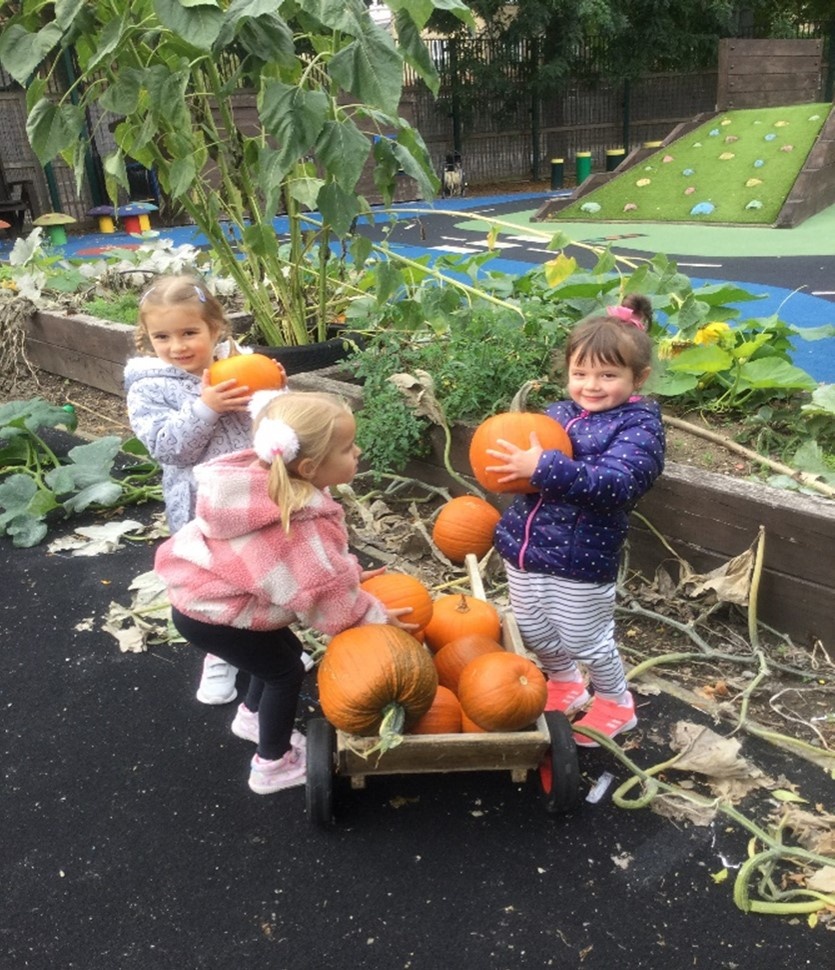
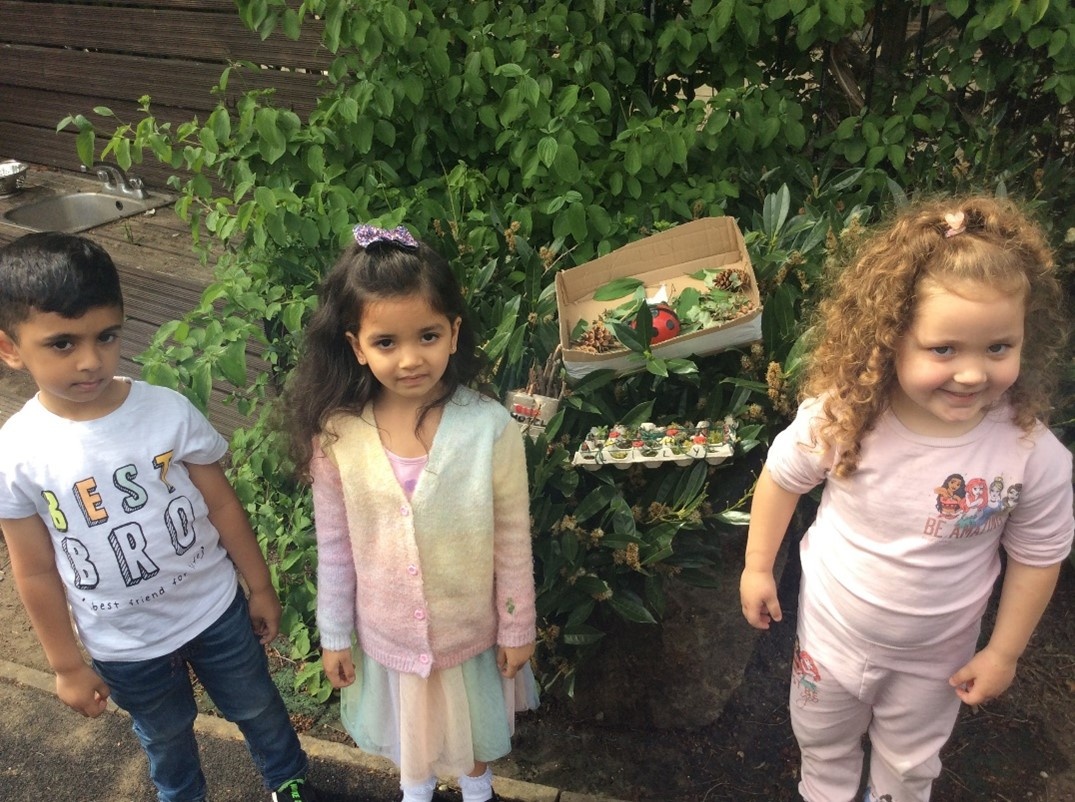
The children made their own bug hotel for our Nursery garden and checked it regularly for visitors. Have a look at the gigantic pumpkins we grew this year!
Forest School
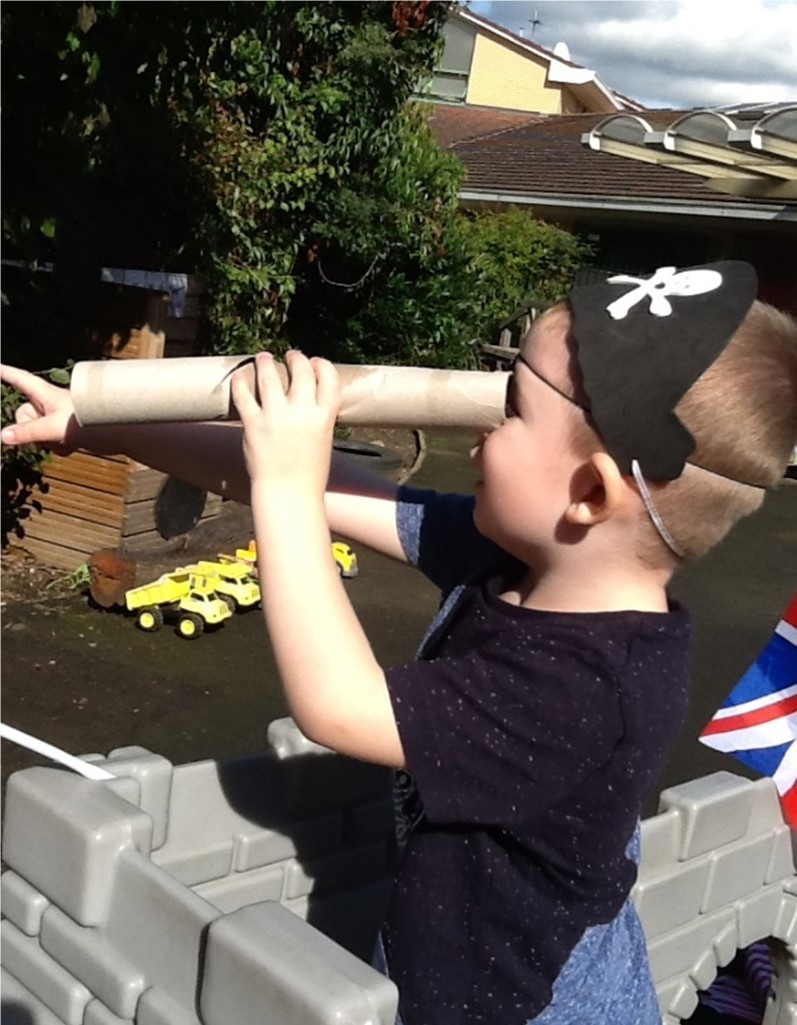
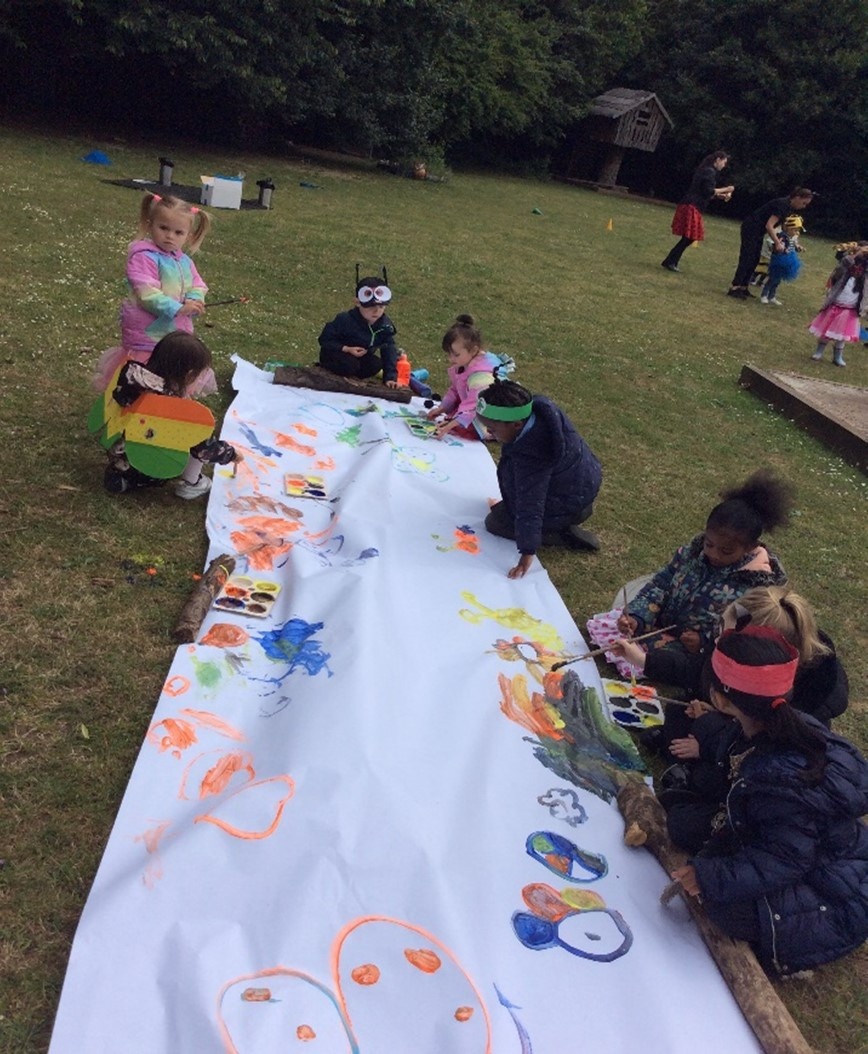
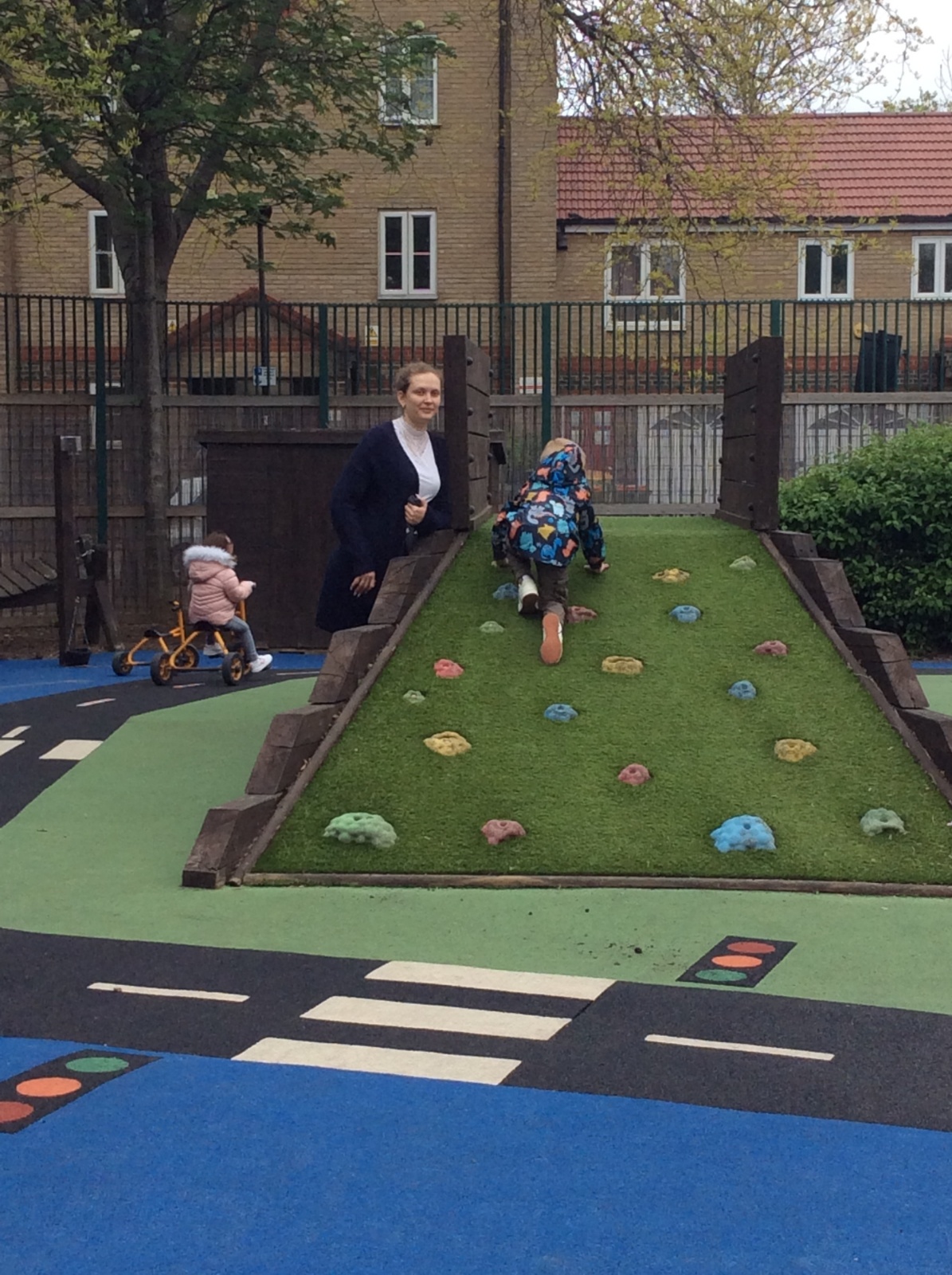
Forest School gives children the freedom to explore, touch, smell, listen to and feel what it is like to be in the great outdoors. Children try things out, take risks, solve problems and work together.
They learn practical skills, such as how to make a fire and how to use a variety of tools to cut wood and make things. They also learn to identify the flowers, trees, insects and animals in our Forest School and outdoor areas. We measure their progress through observation, pupil voice and the skills they apply outside school.
Recent learning
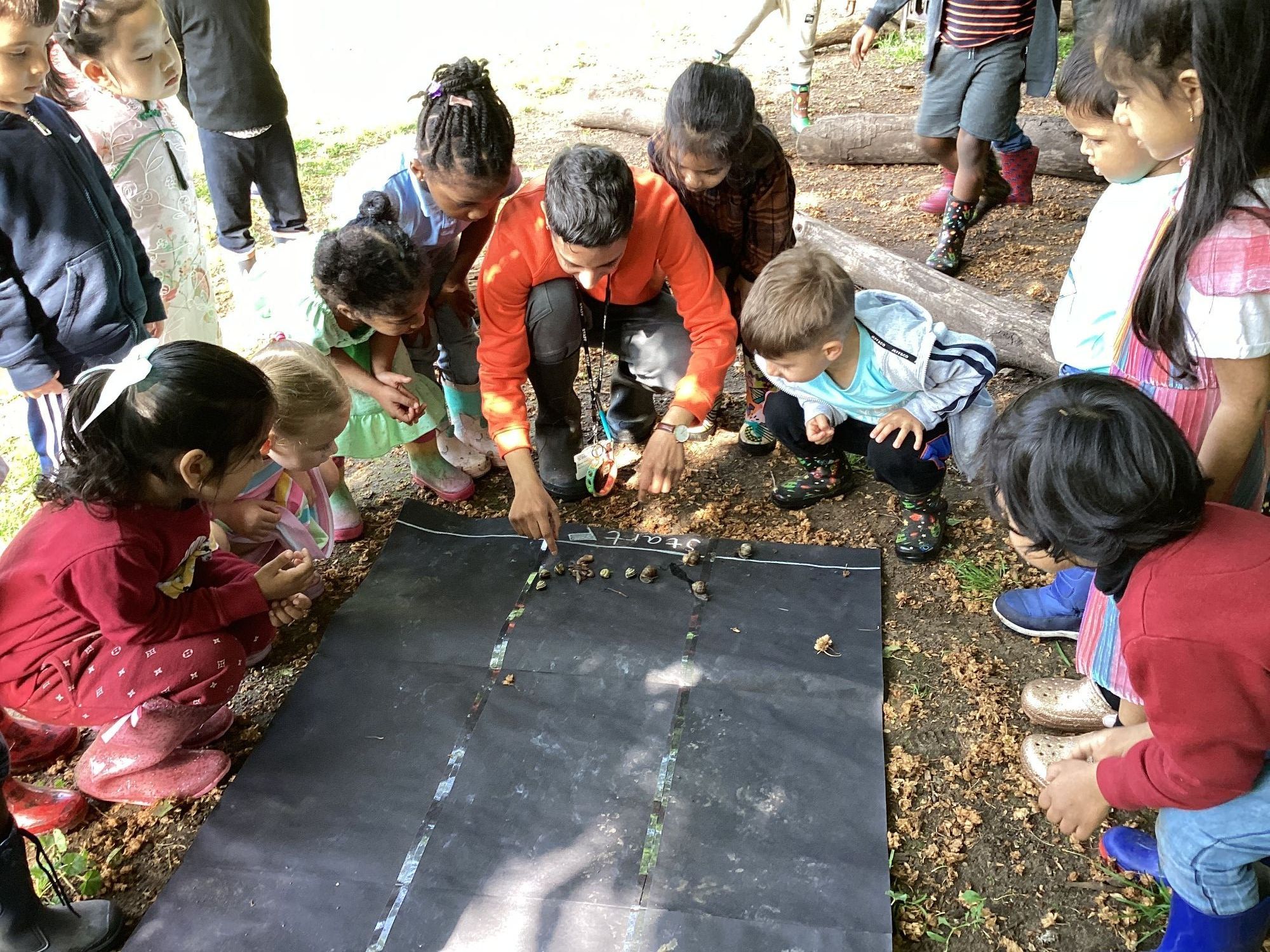
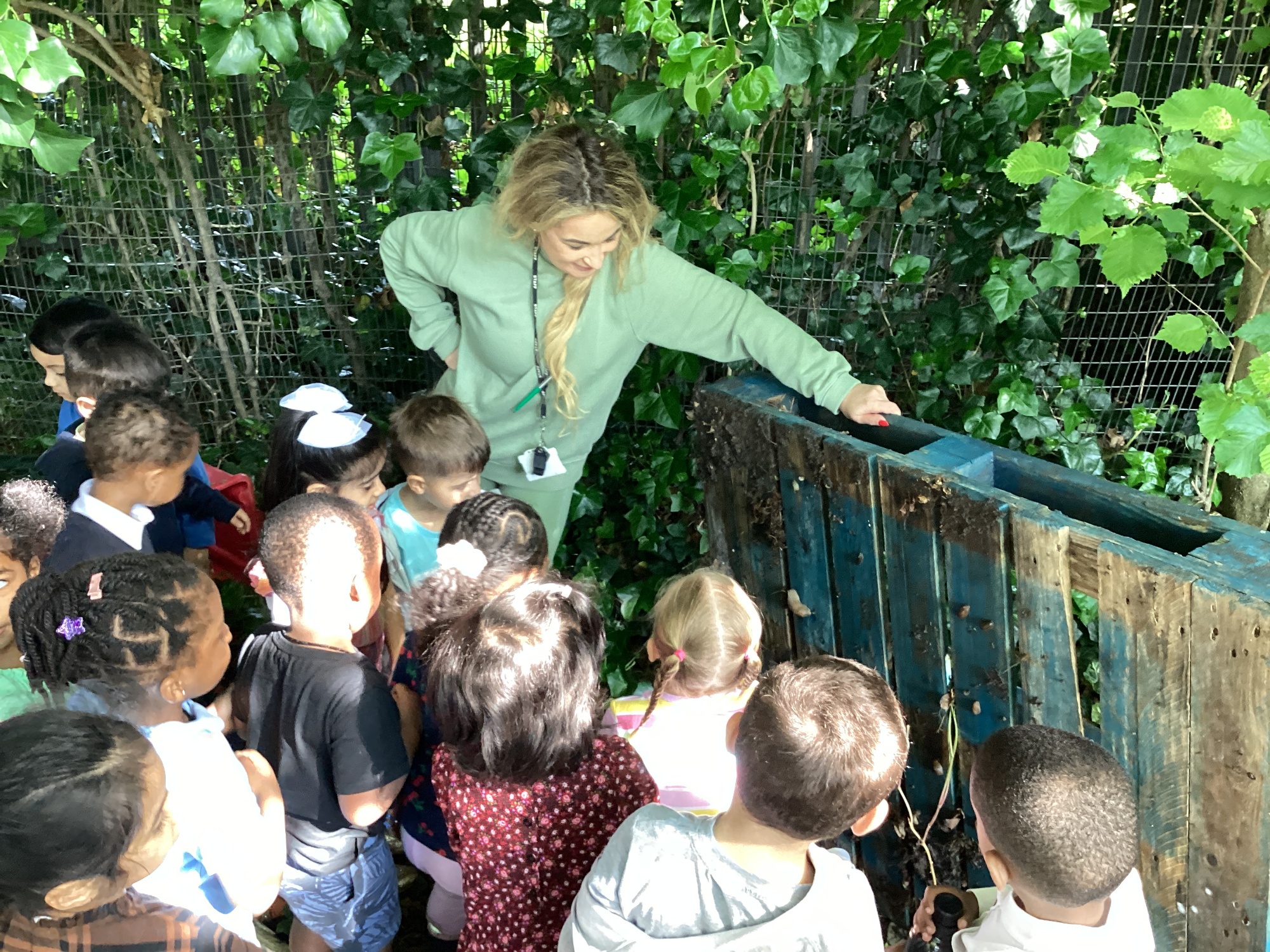
Nursery – Summer 1: The great minibeast race
We held an exciting snail, bug and worm race! Each child chose a favourite minibeast and cheered it on as it wiggled, crawled or slimed its way to the finish line. The snails were slow but steady, the bugs were quick and tricky, and the worms were wriggly and fun – and we learnt lots about the creatures living in our Forest School.
Reception – Spring 2
In the mud kitchen, we cooked dinner for Six Dinner Sid, talking about what he might like to eat. As part of our science learning, we looked for signs of spring, including buds, daffodils and blossom.
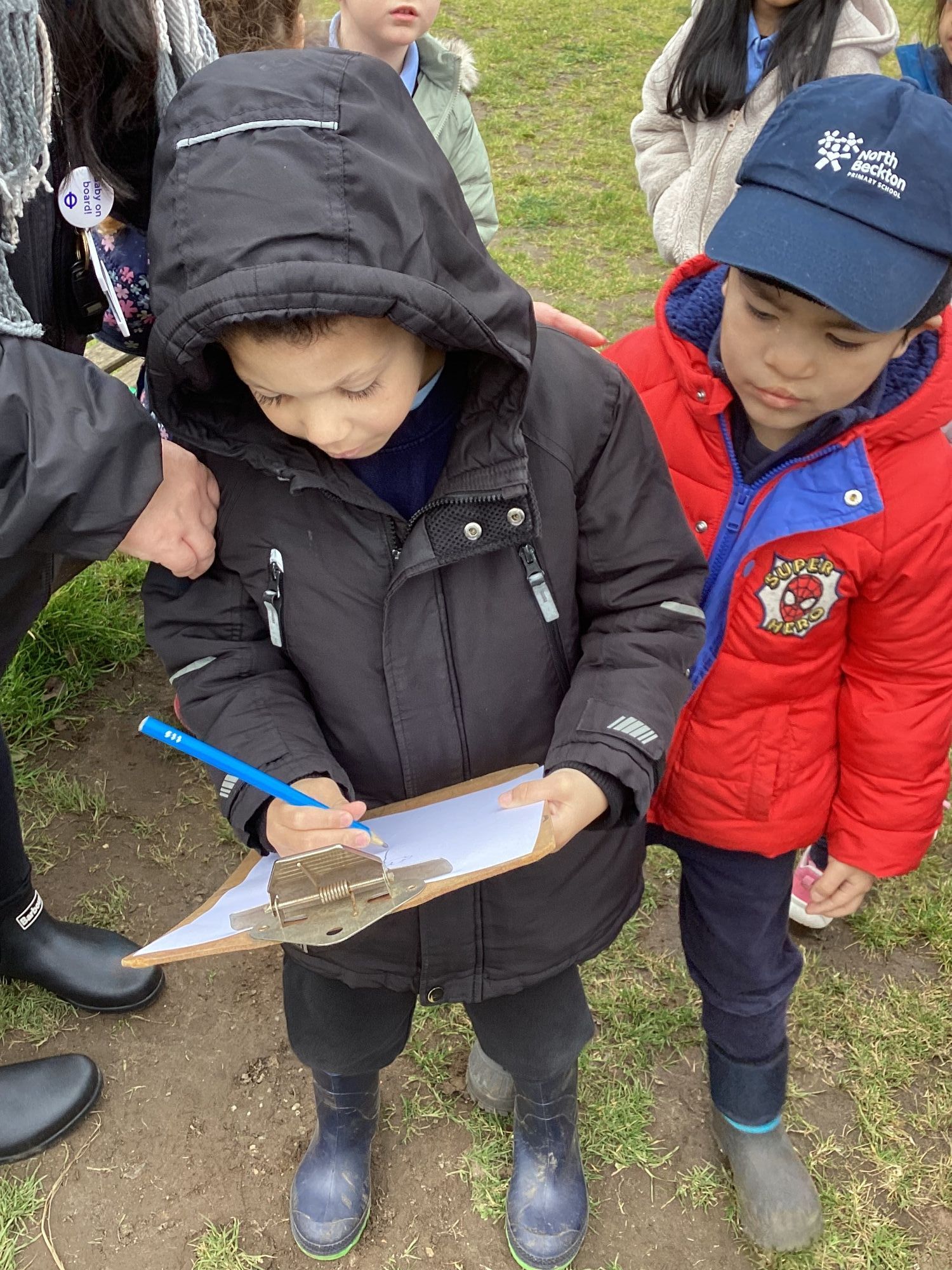
We also made feeling faces. We thought about our Zones of Regulation, identified which zone we were in and how we were feeling, then gathered natural materials to make faces showing our emotions.
.jpg)
.jpg)
.jpg)
.jpg)
.jpg)
Working with Families
We love welcoming families into Early Years. Here are some of the ways parents and carers have joined in with their children’s learning.
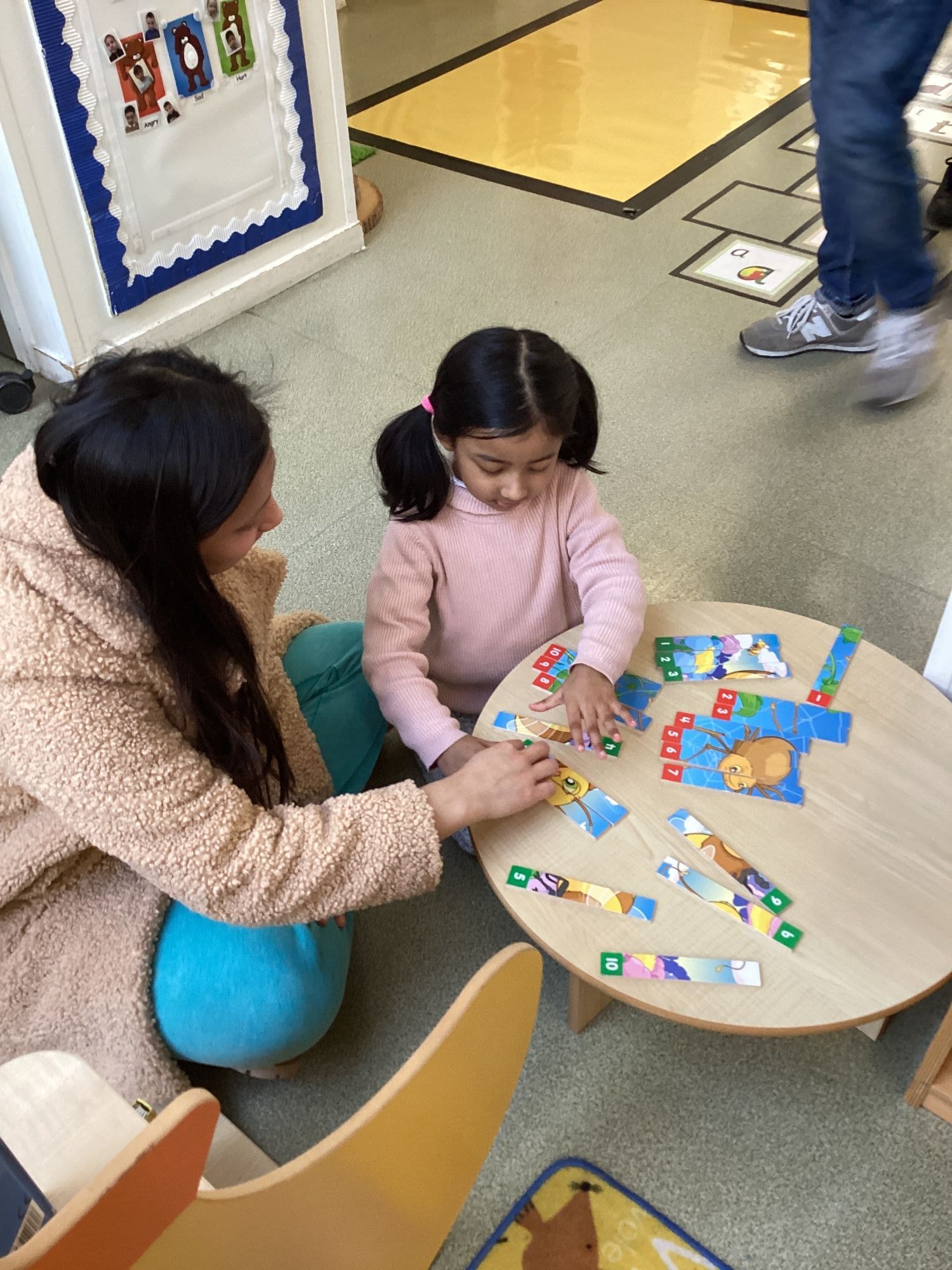
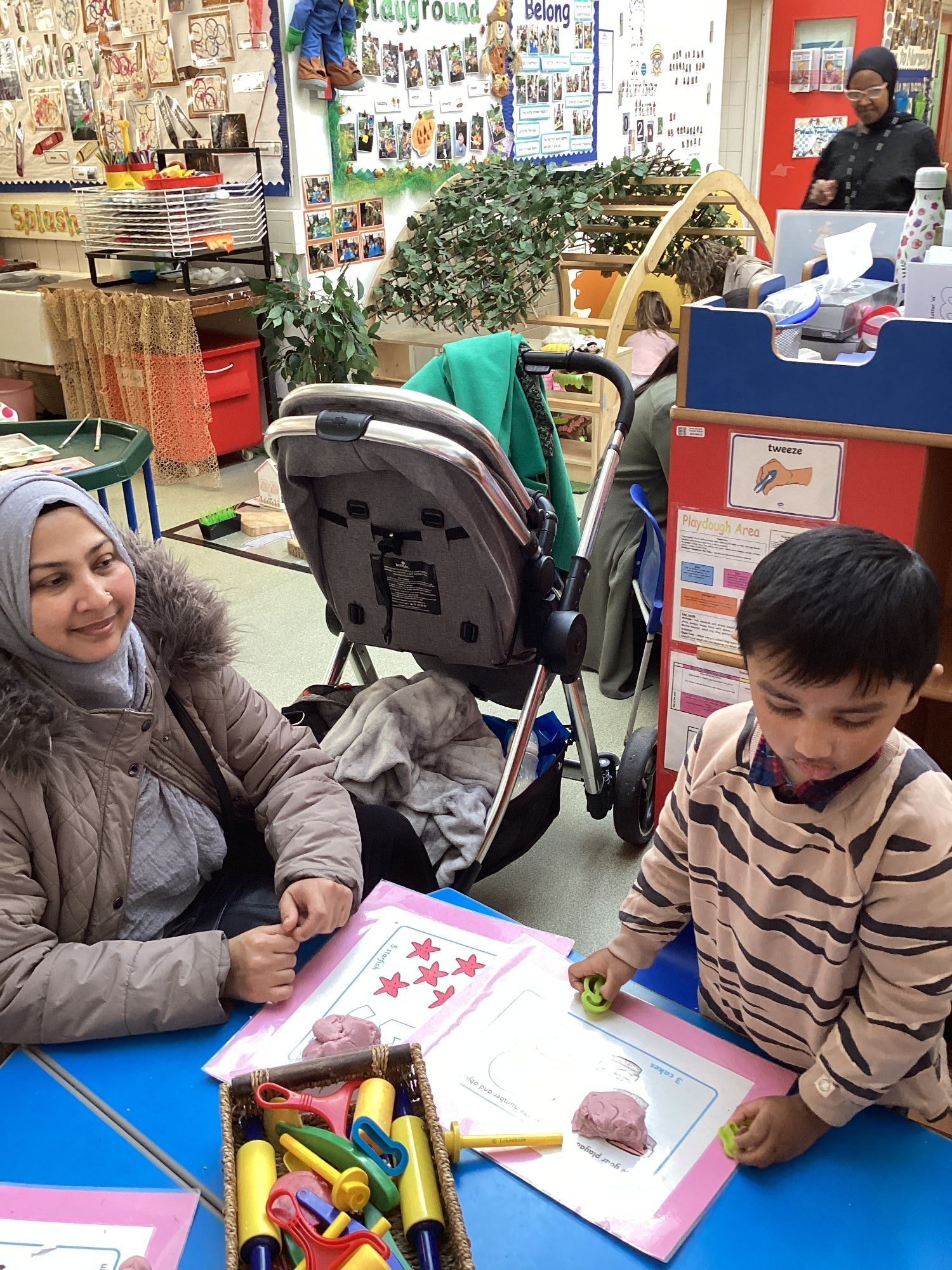
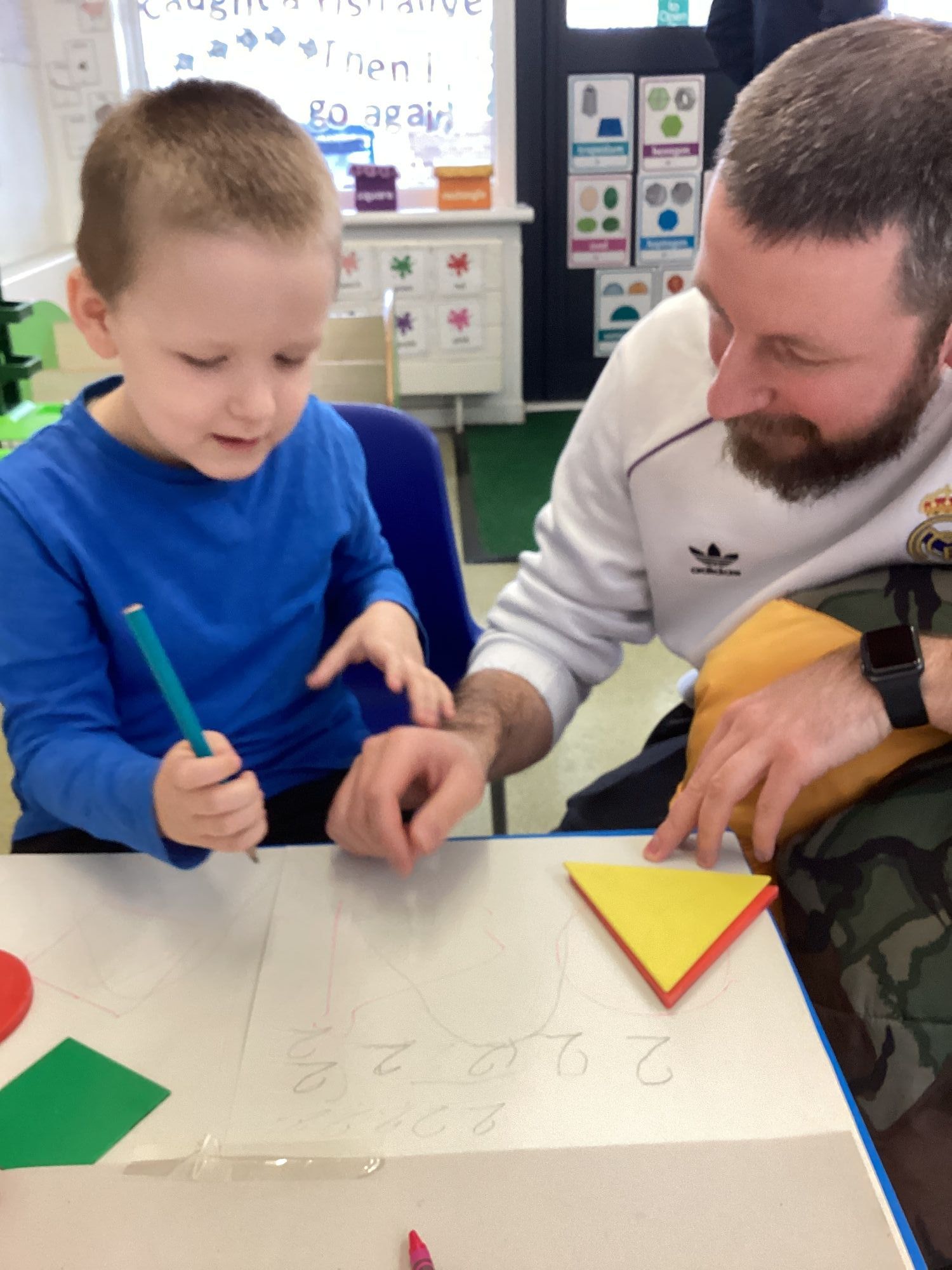
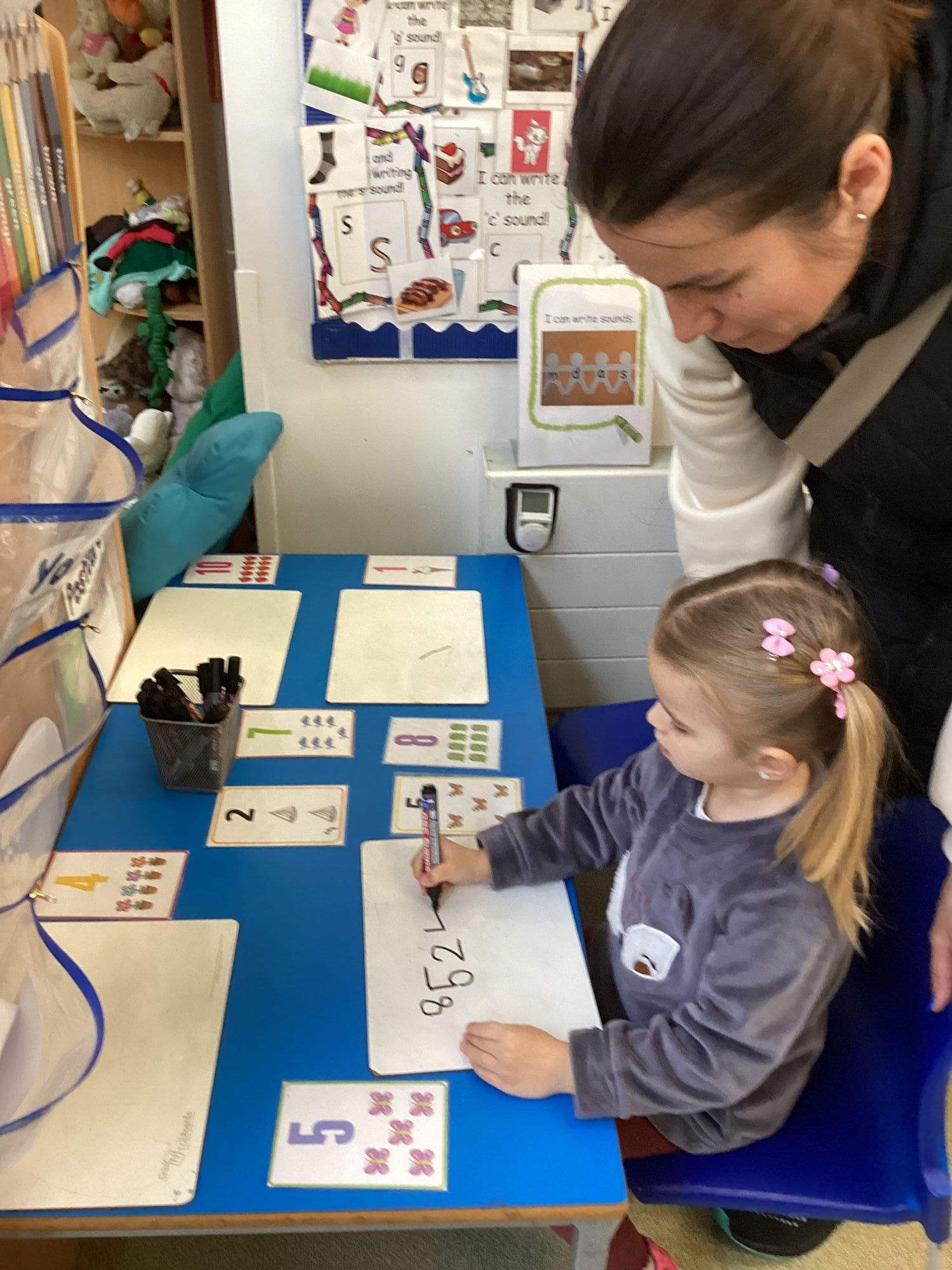
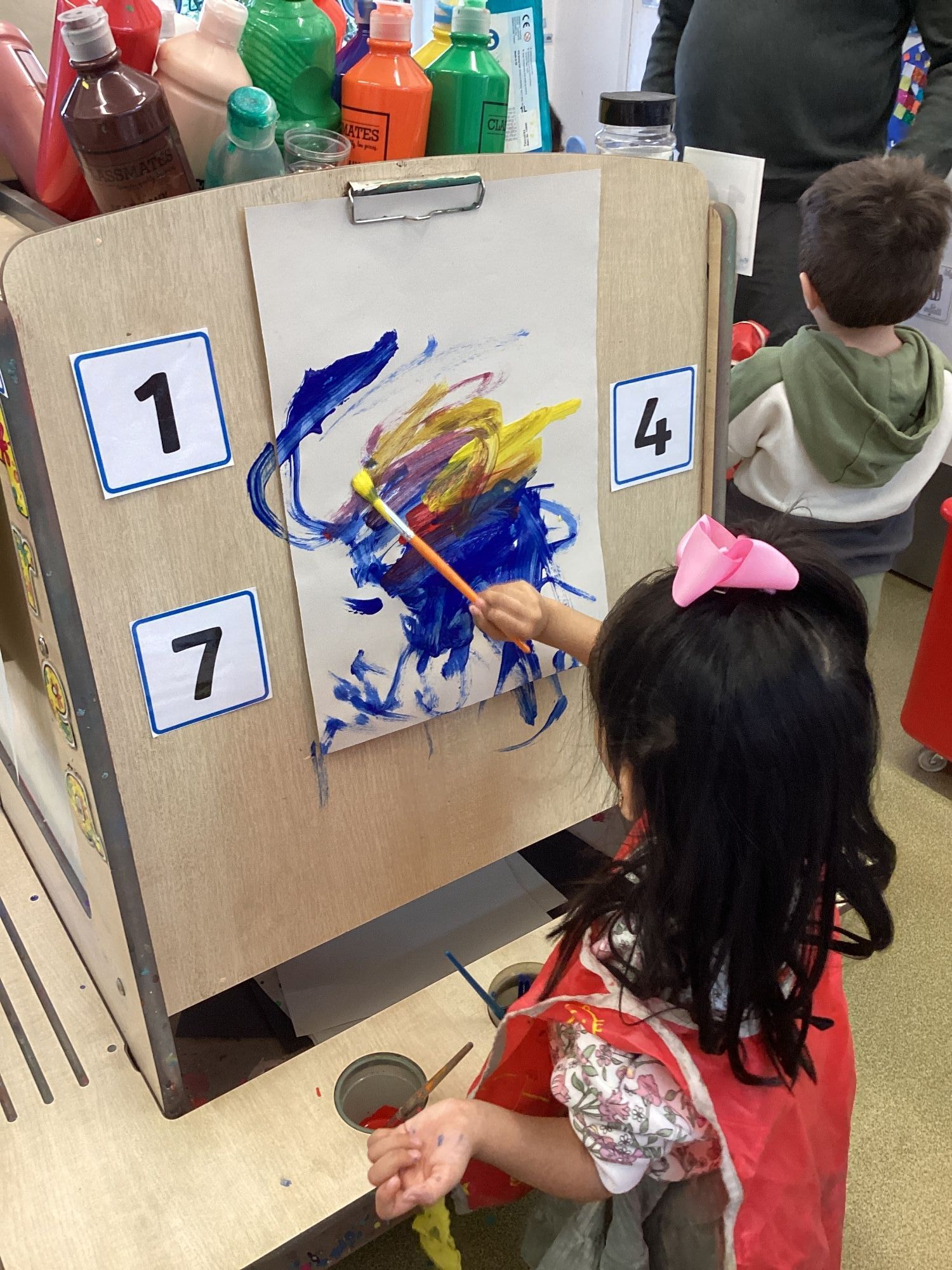
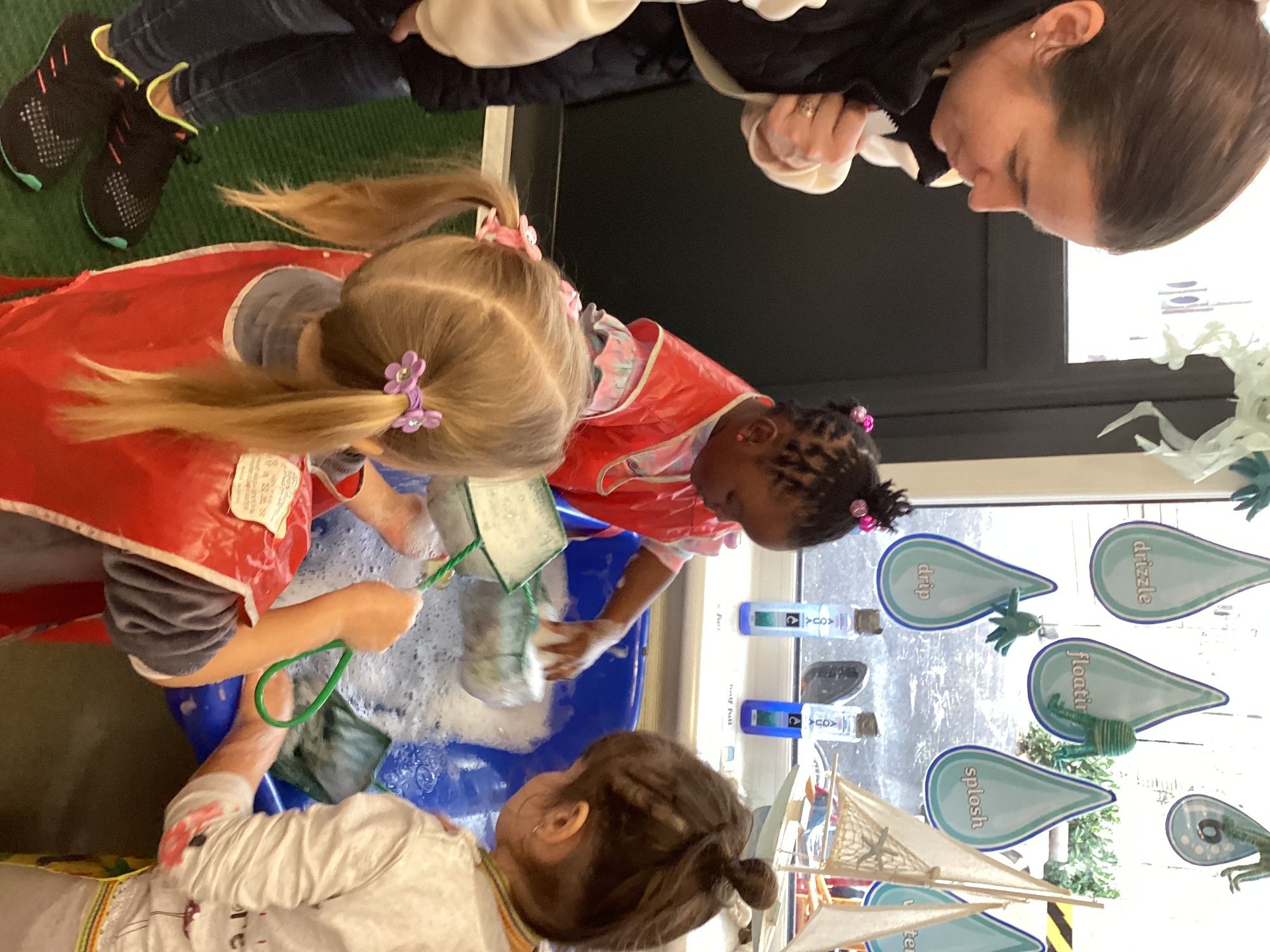
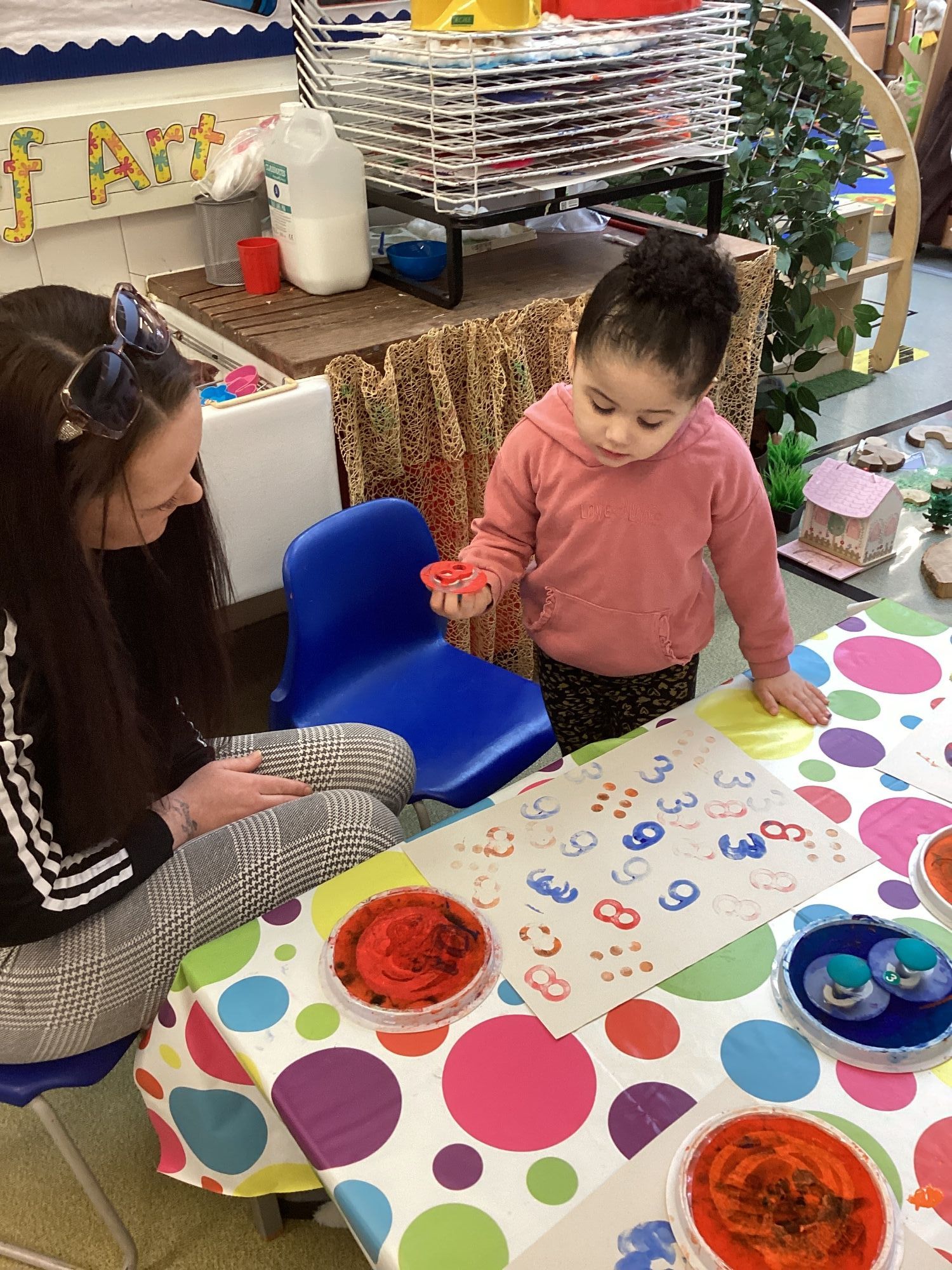
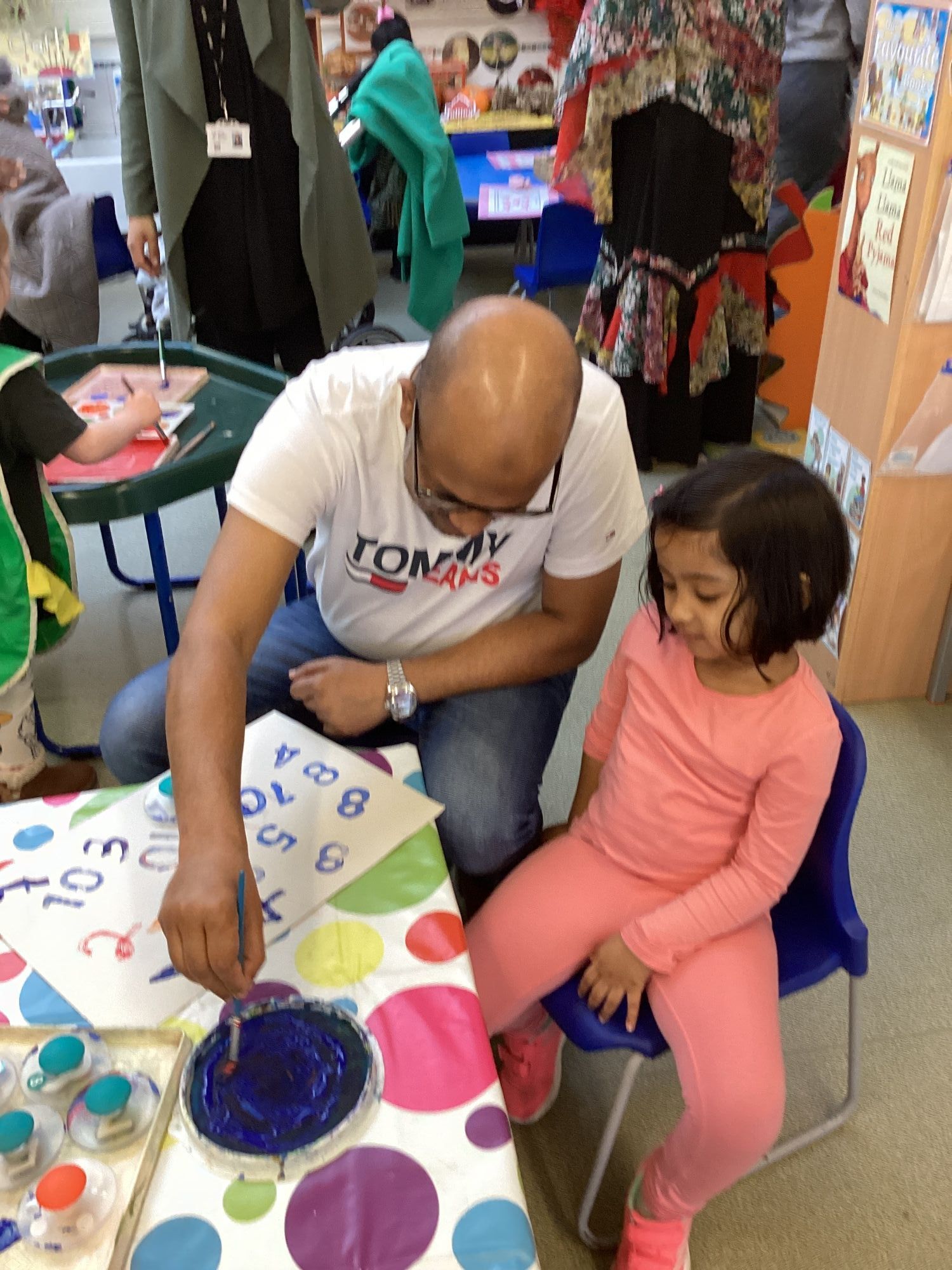
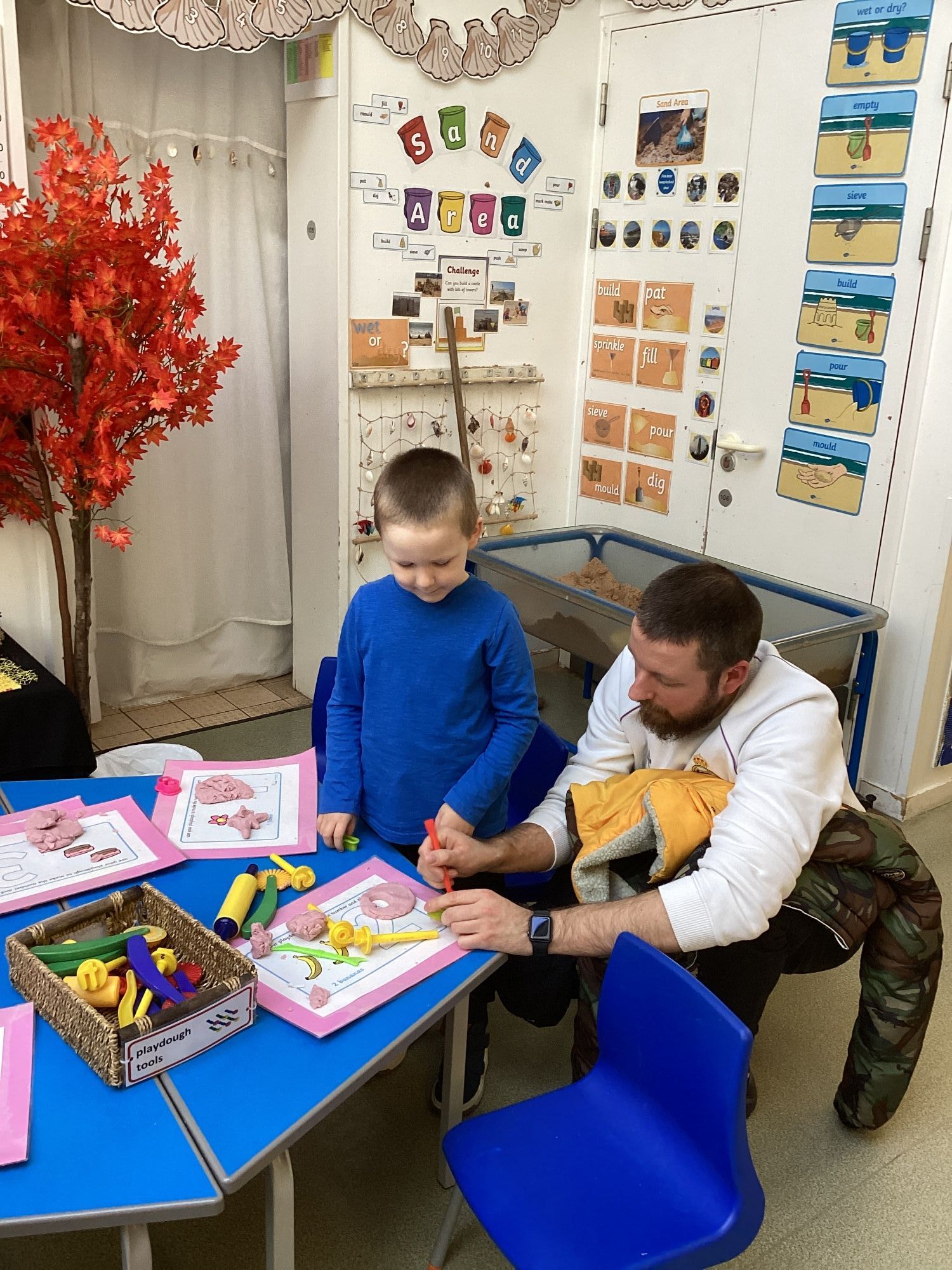
Nursery – Spring 2: Maths morning
We invited all our Nursery parents and carers to a morning of maths fun, sharing games and activities that support children’s learning in Nursery.
Nursery: Stay and Play
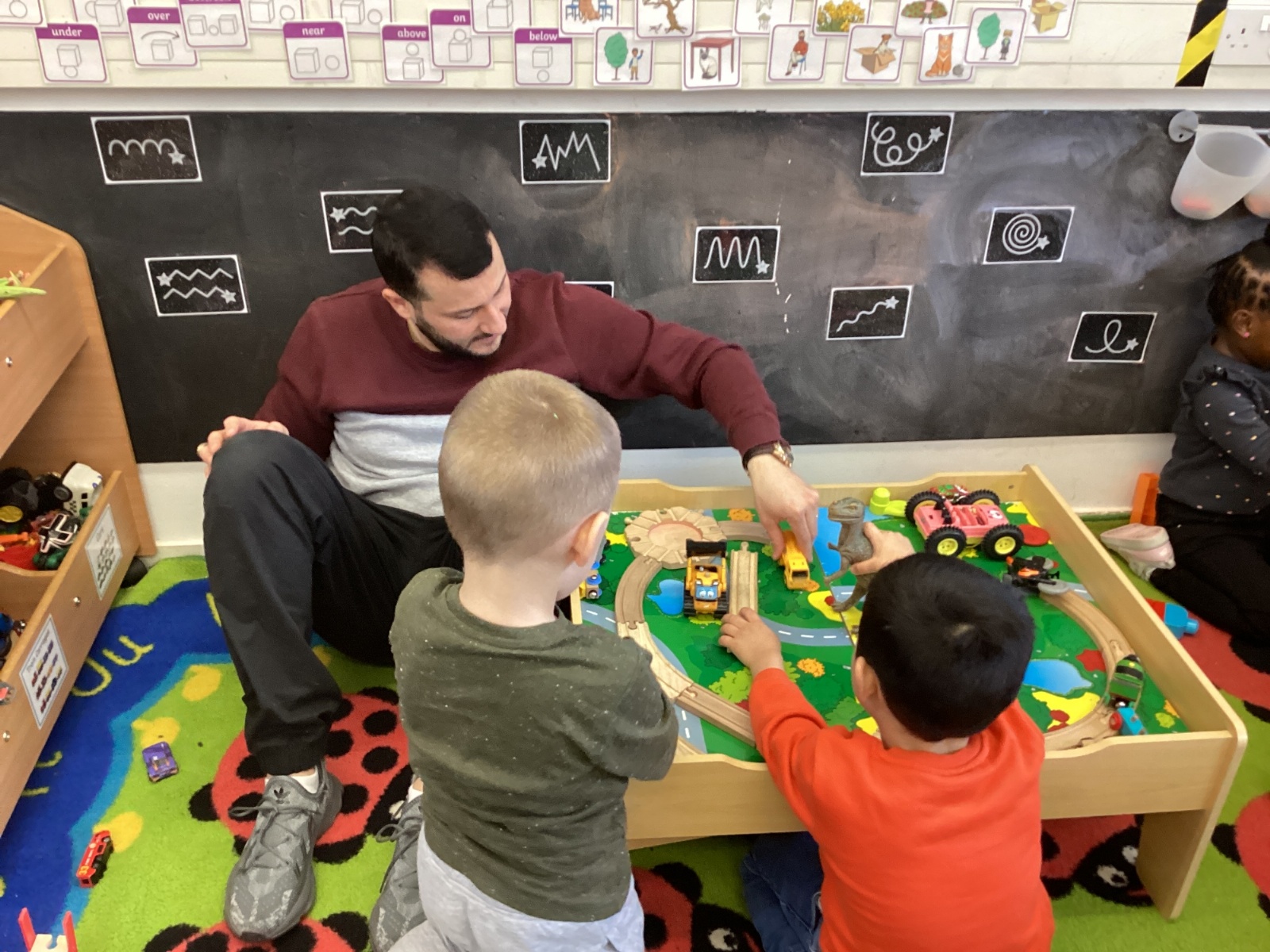
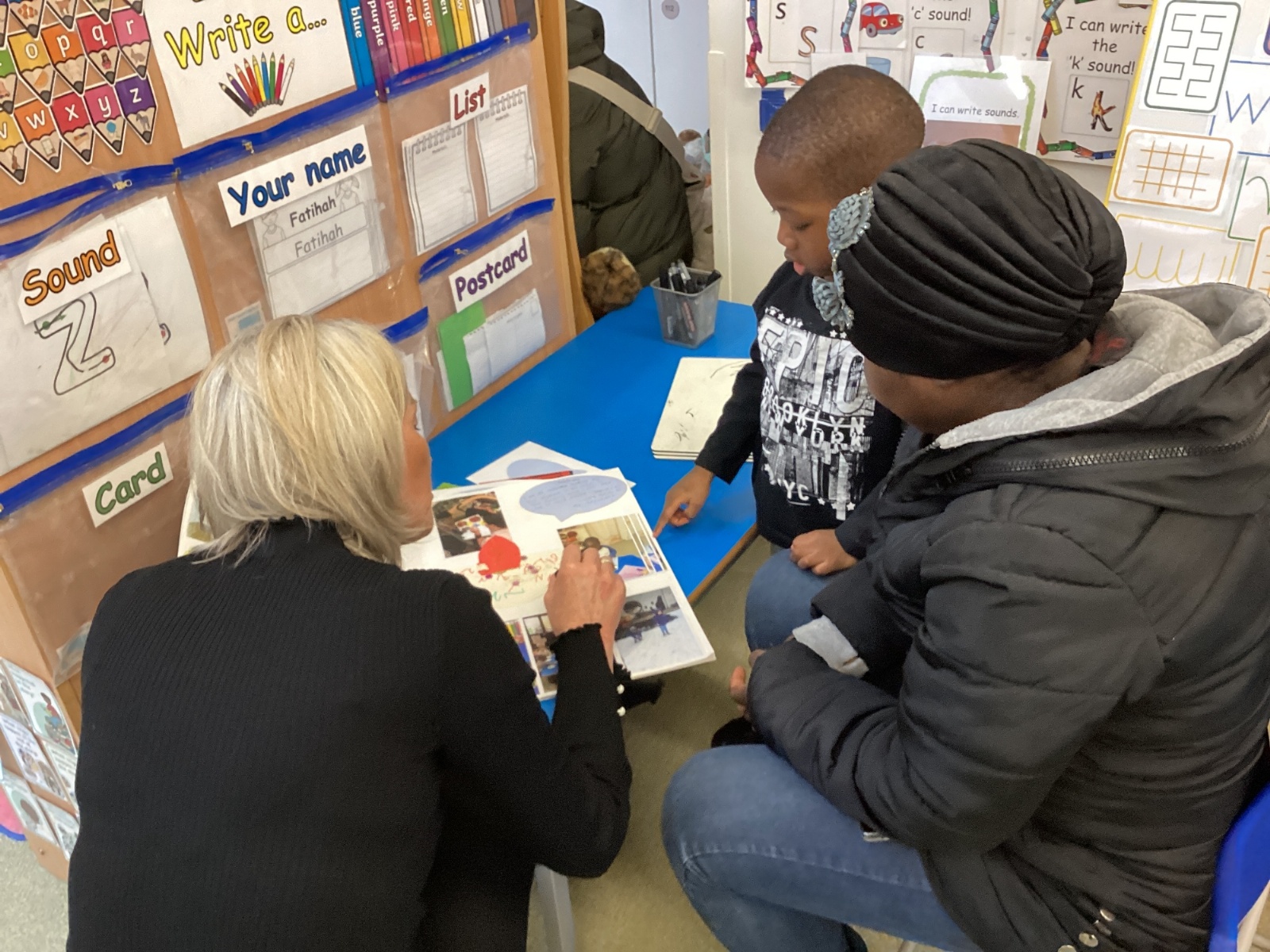
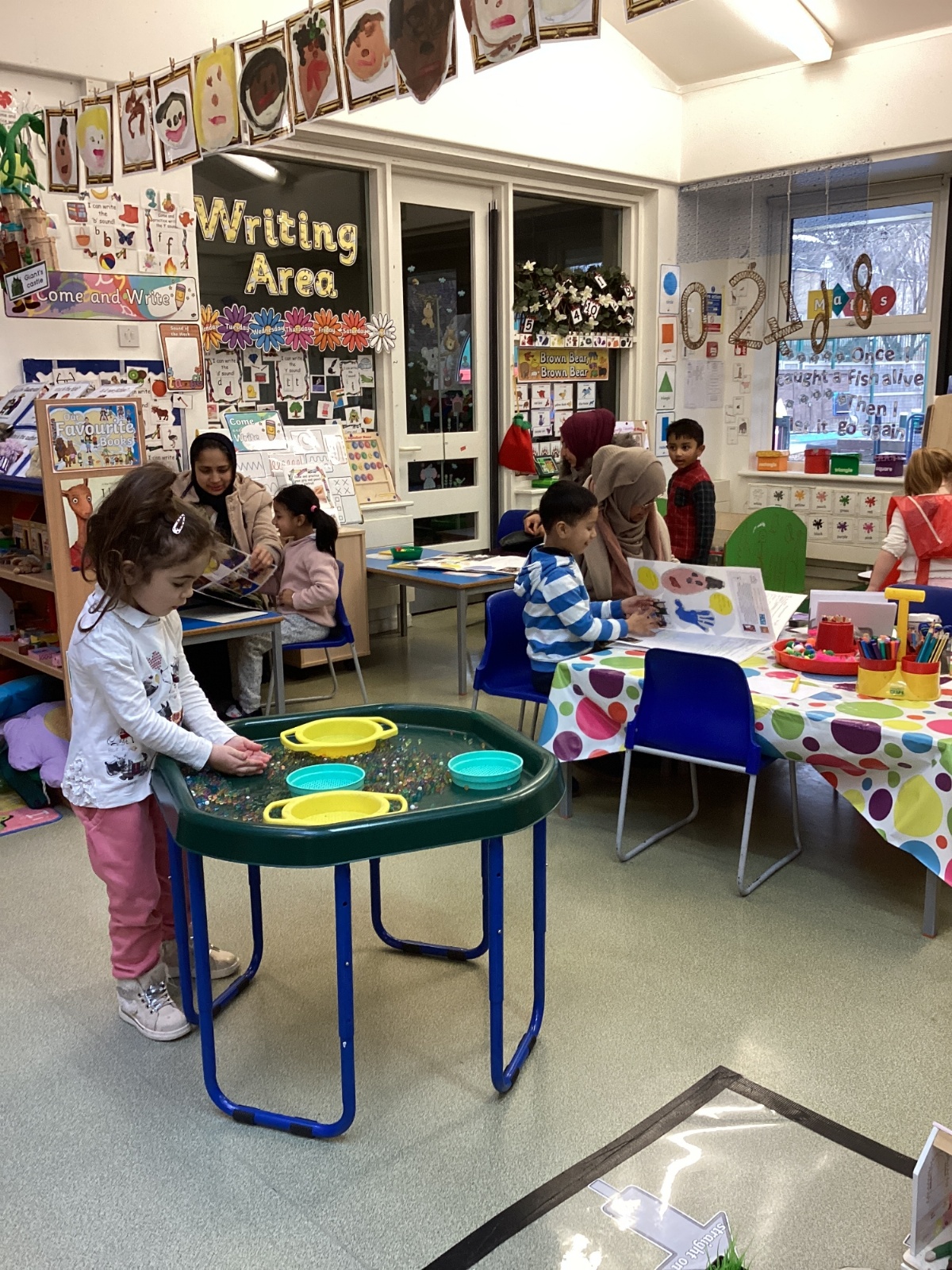
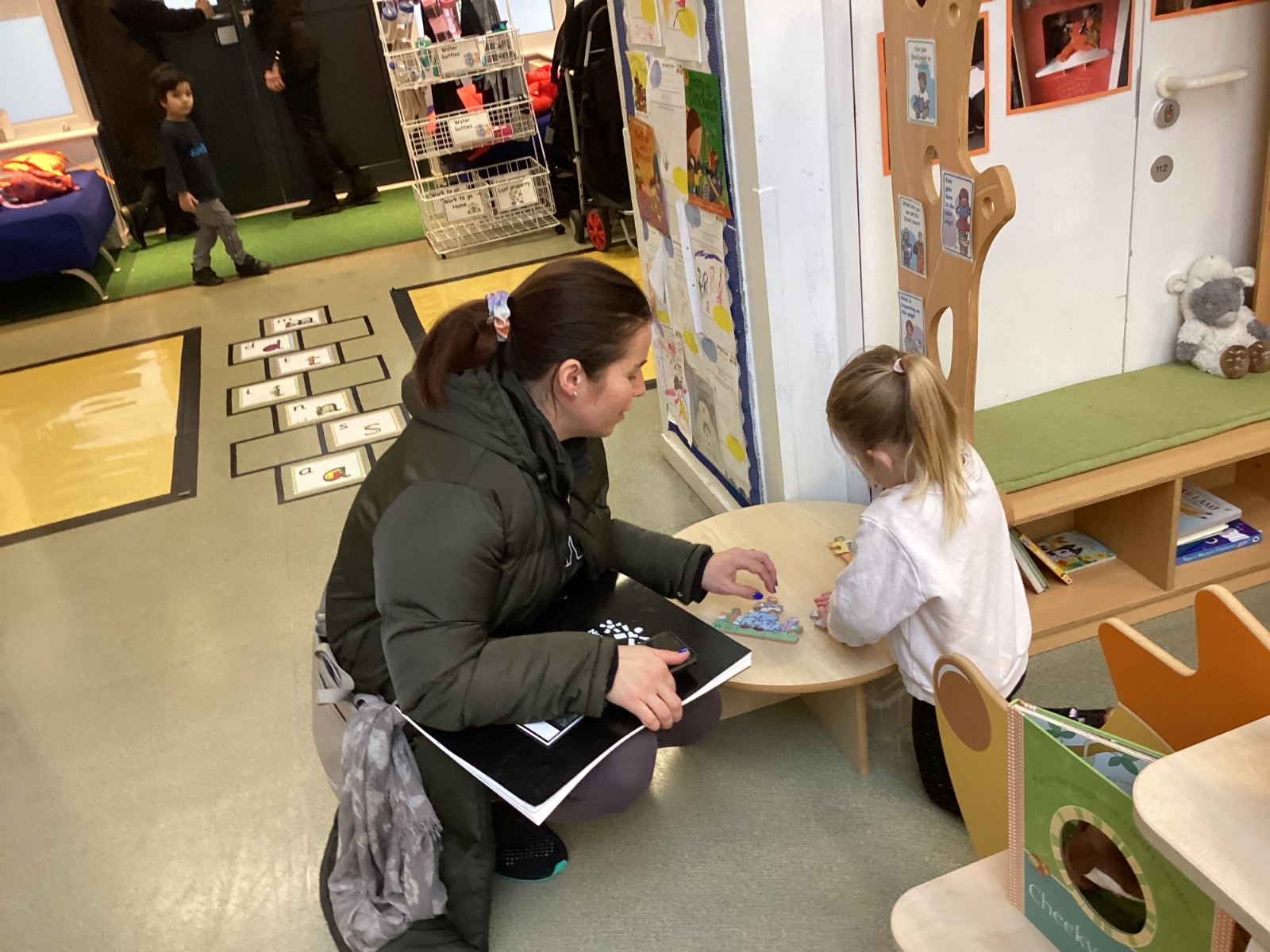
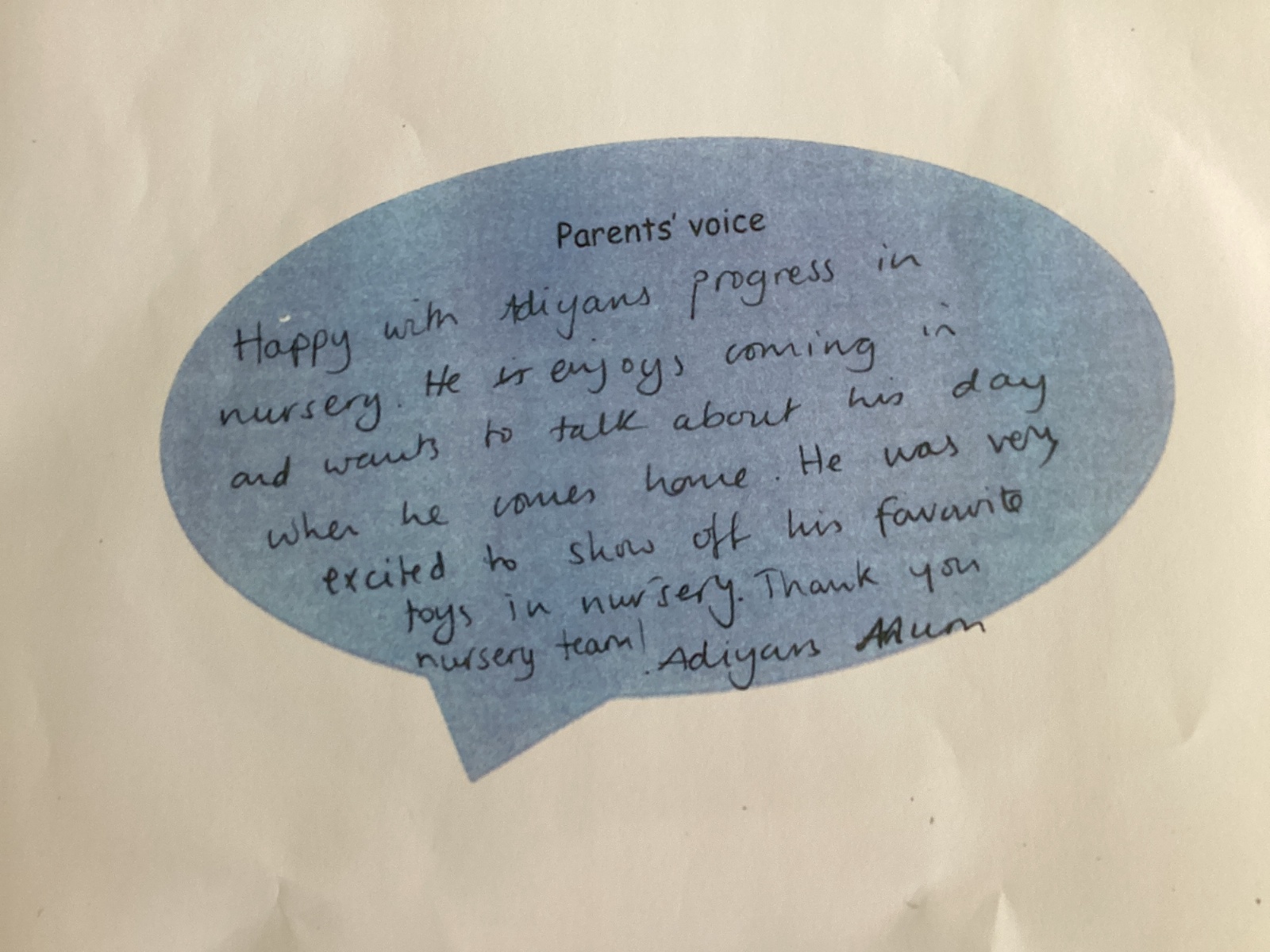
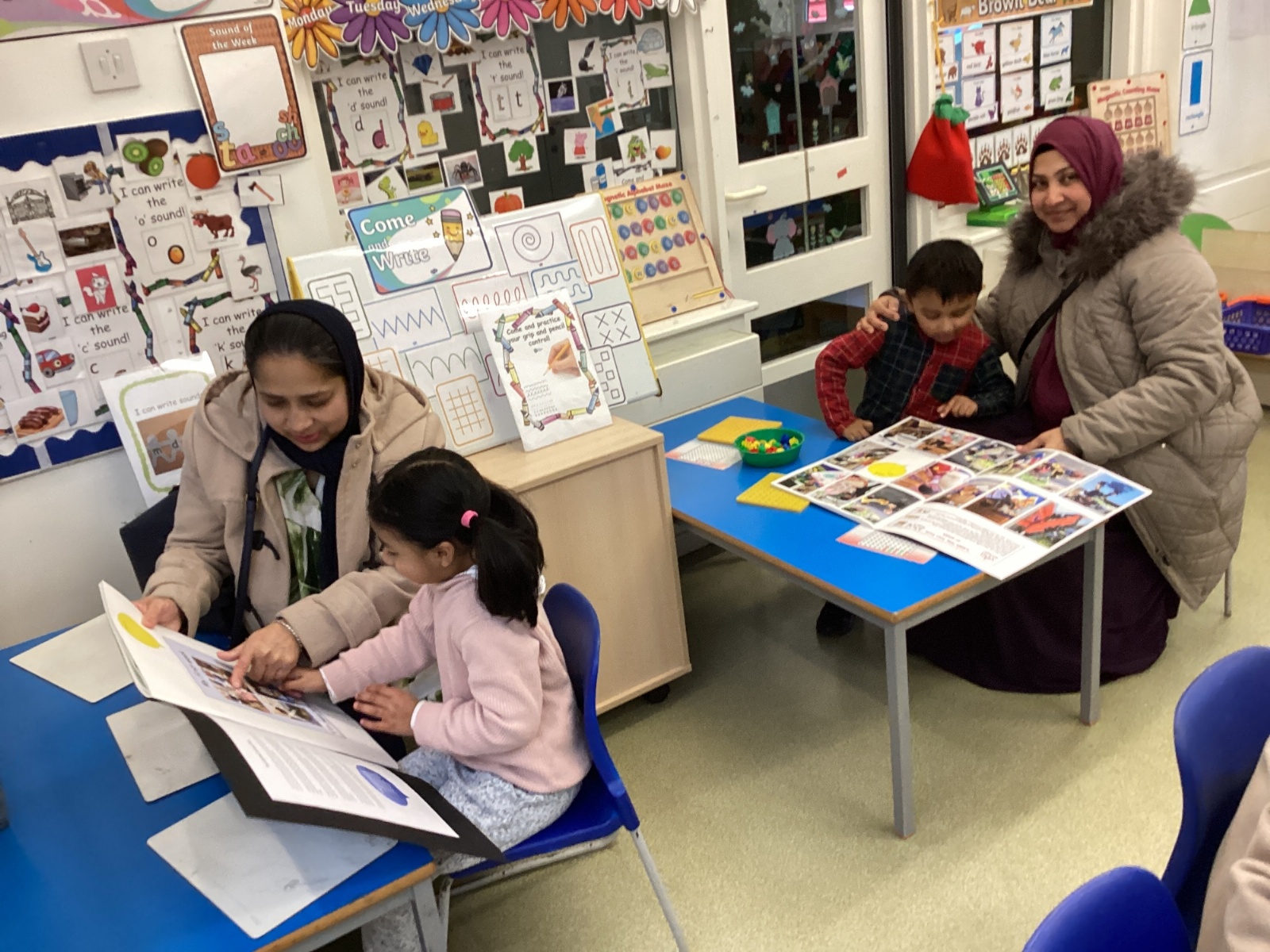
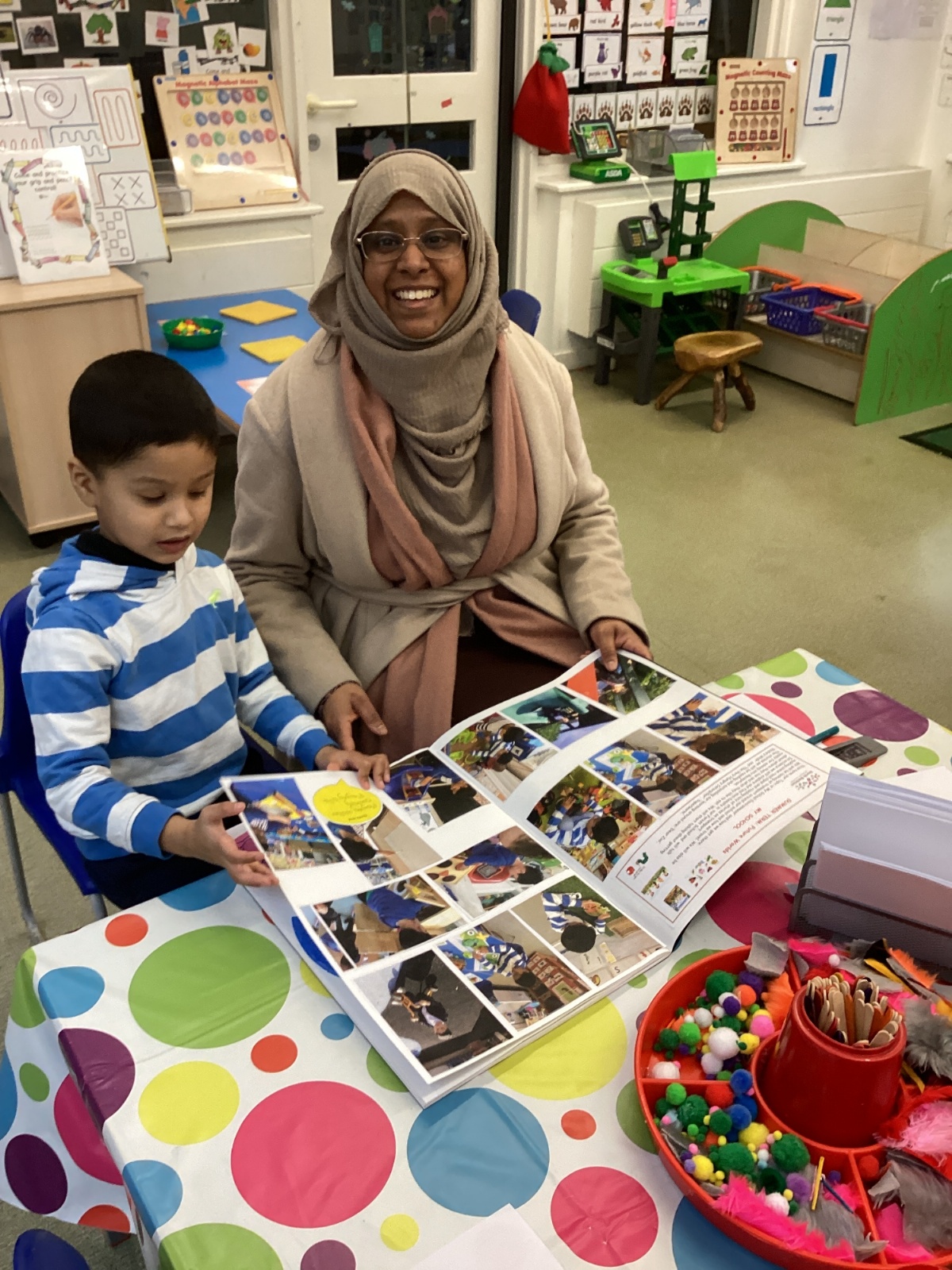
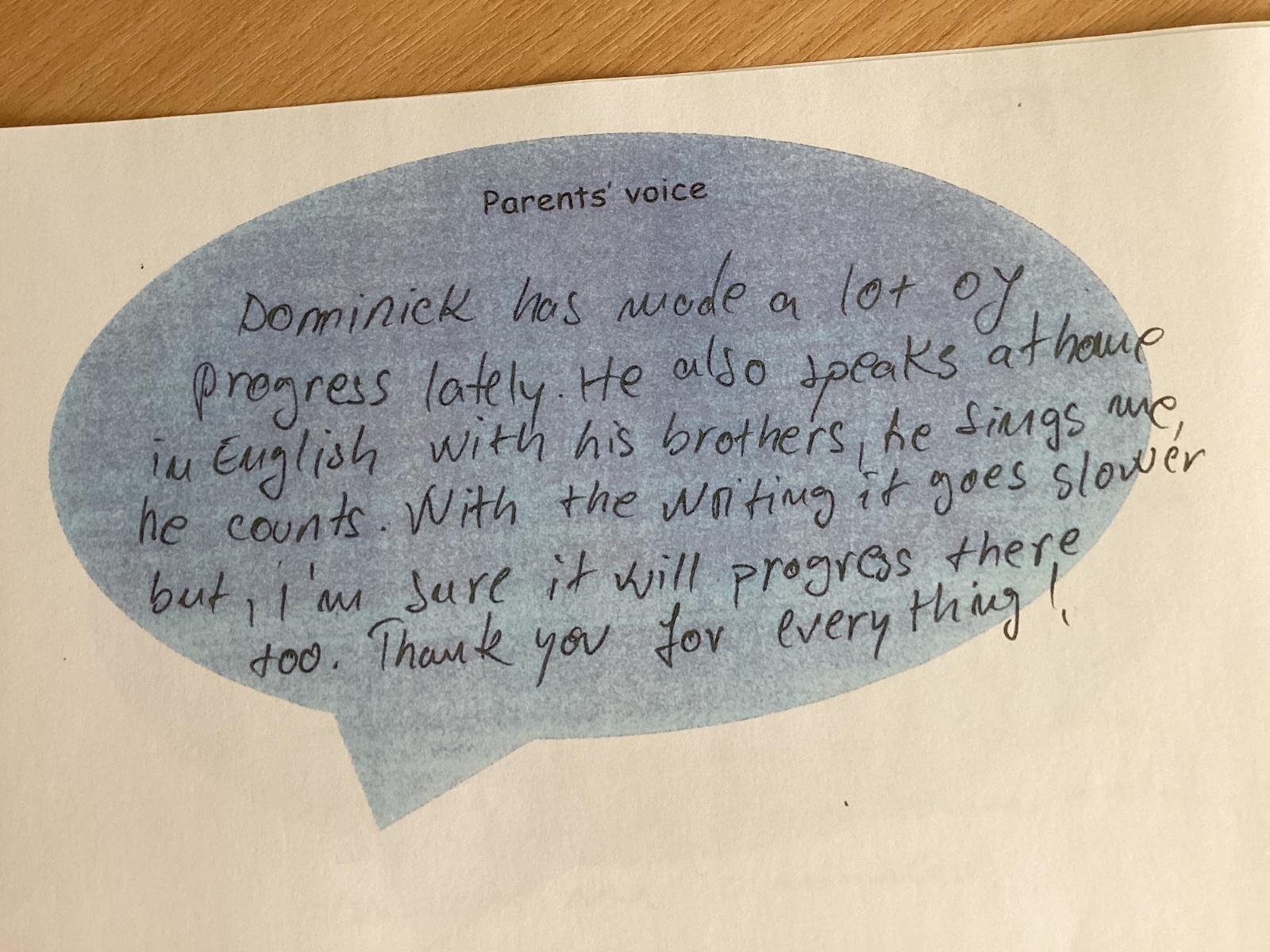
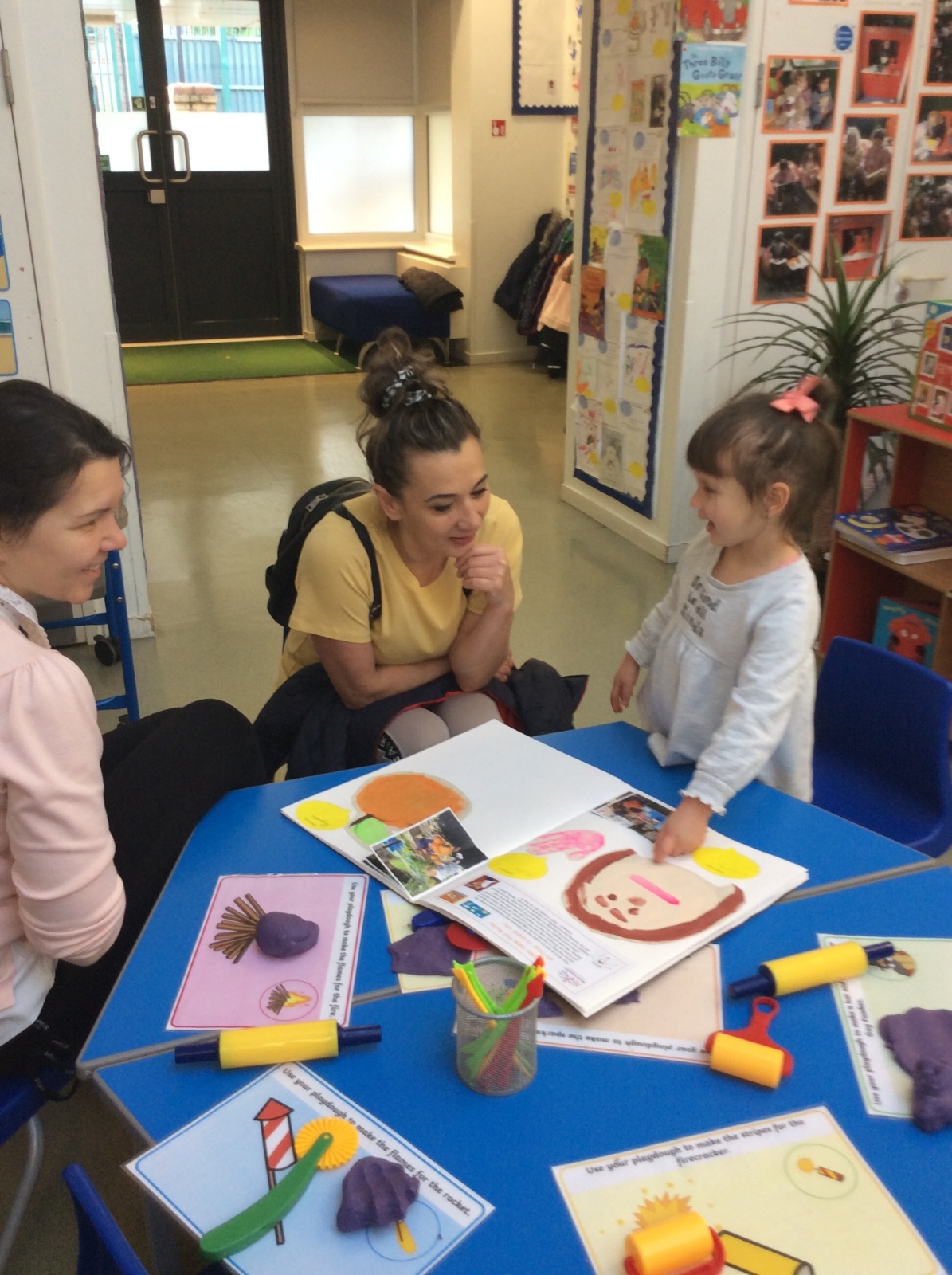
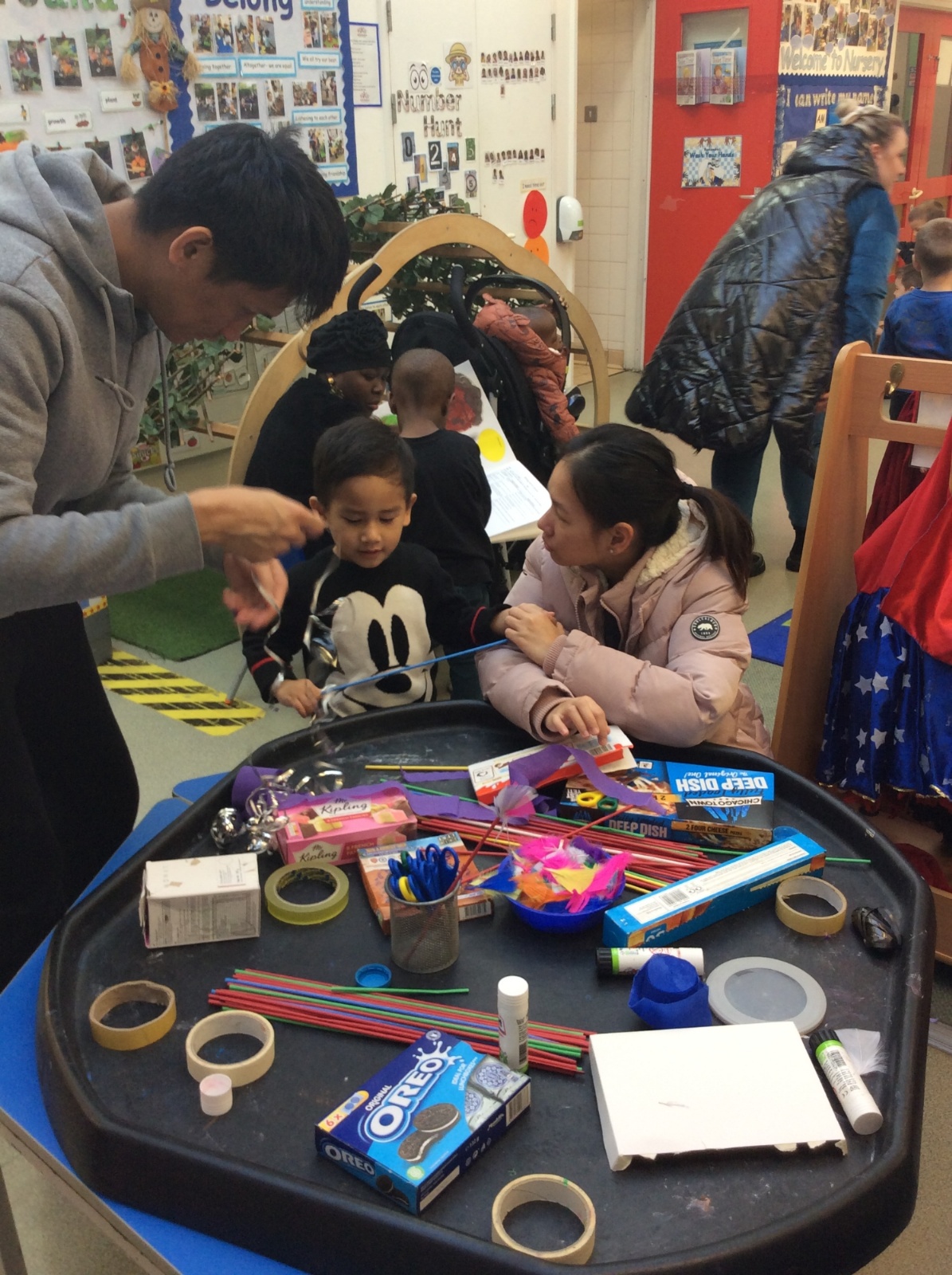
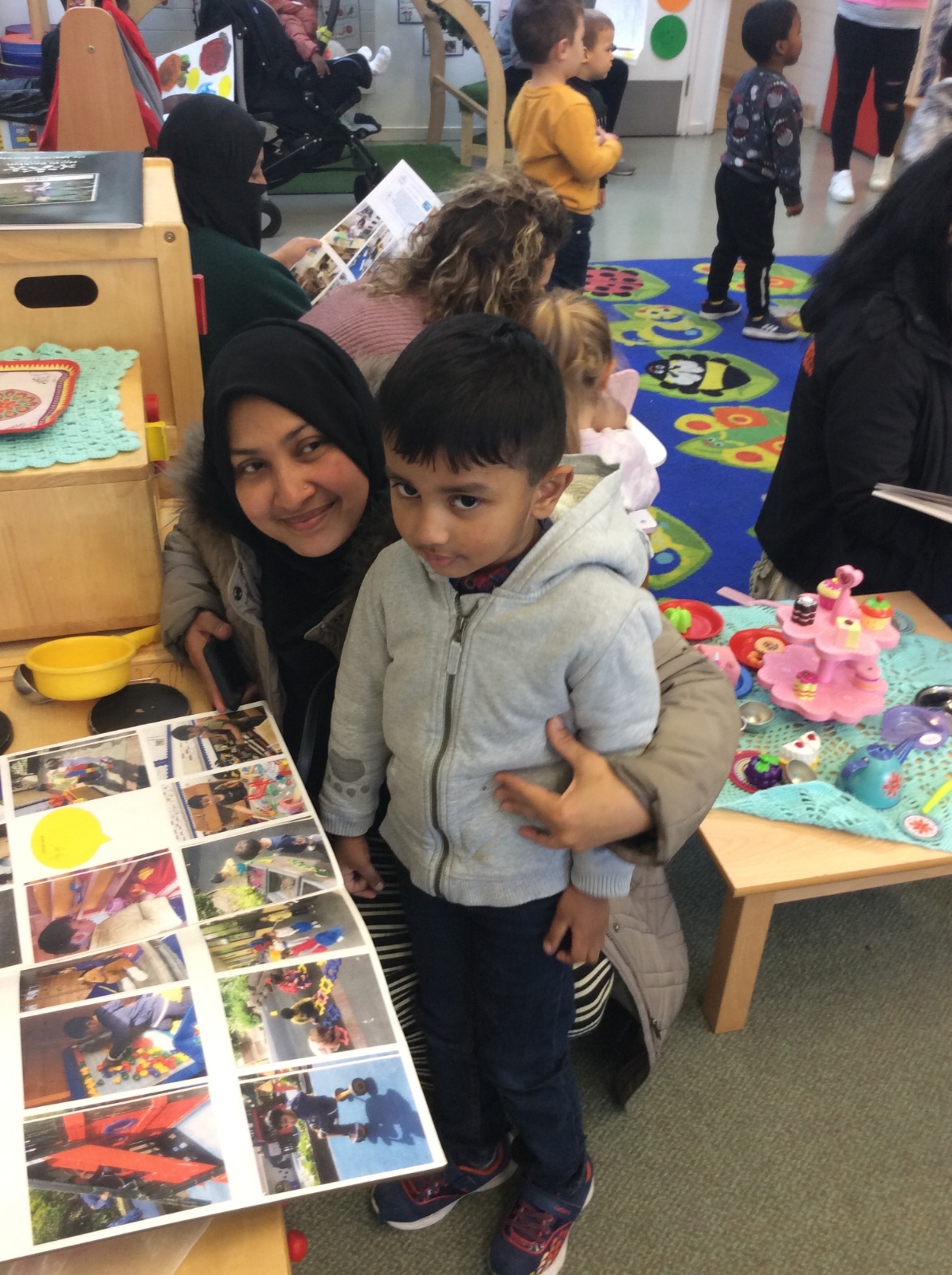
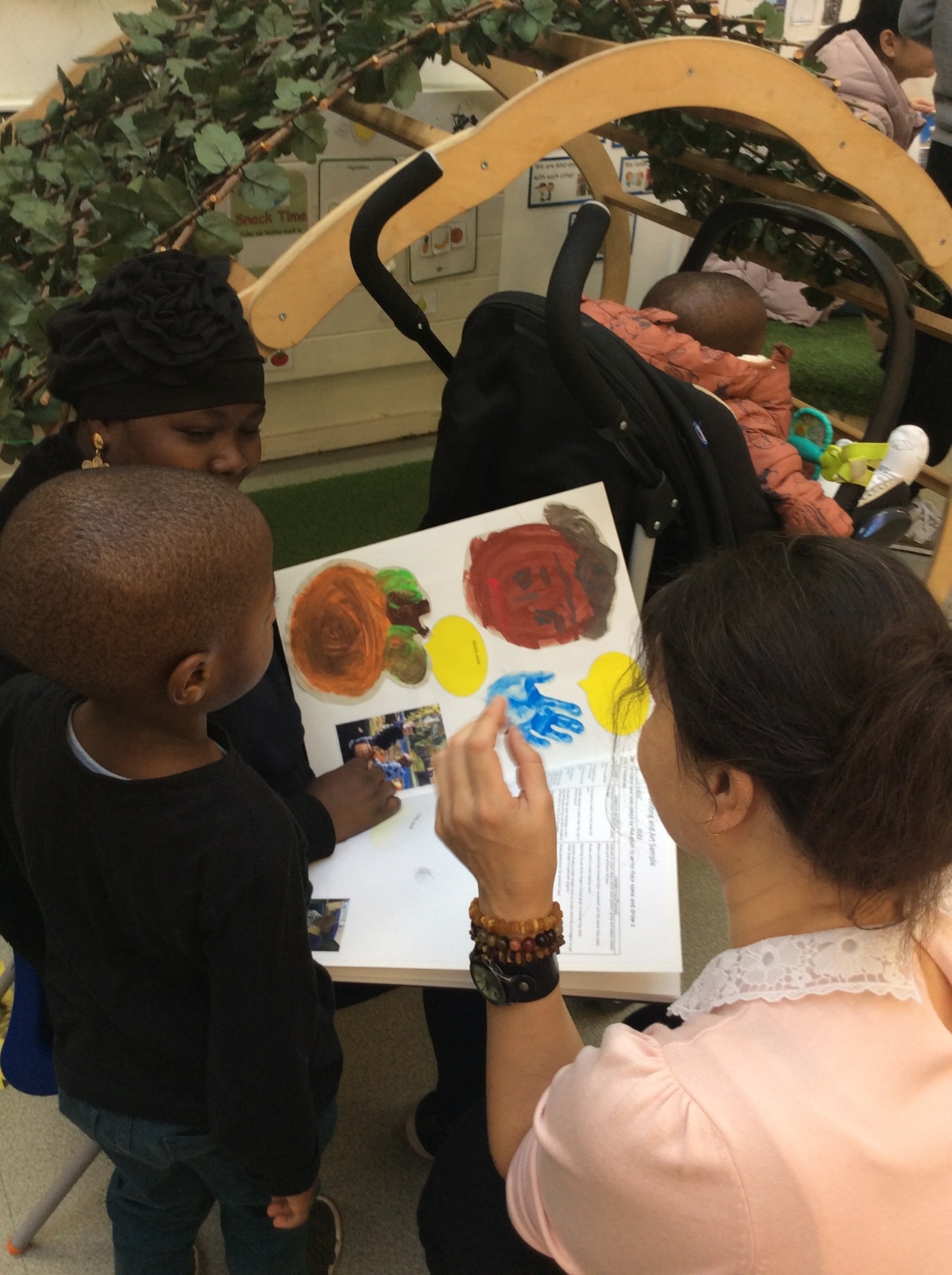
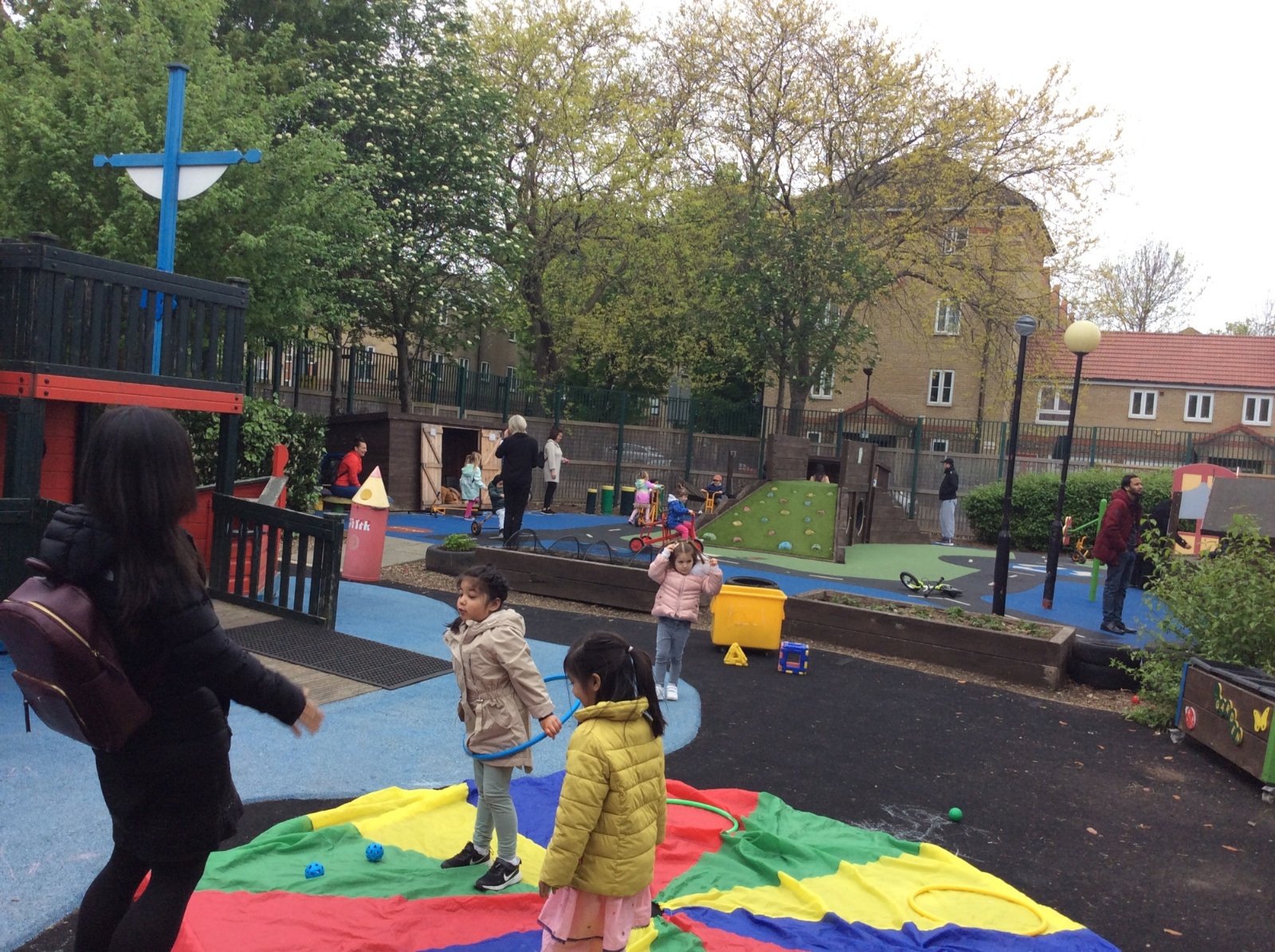
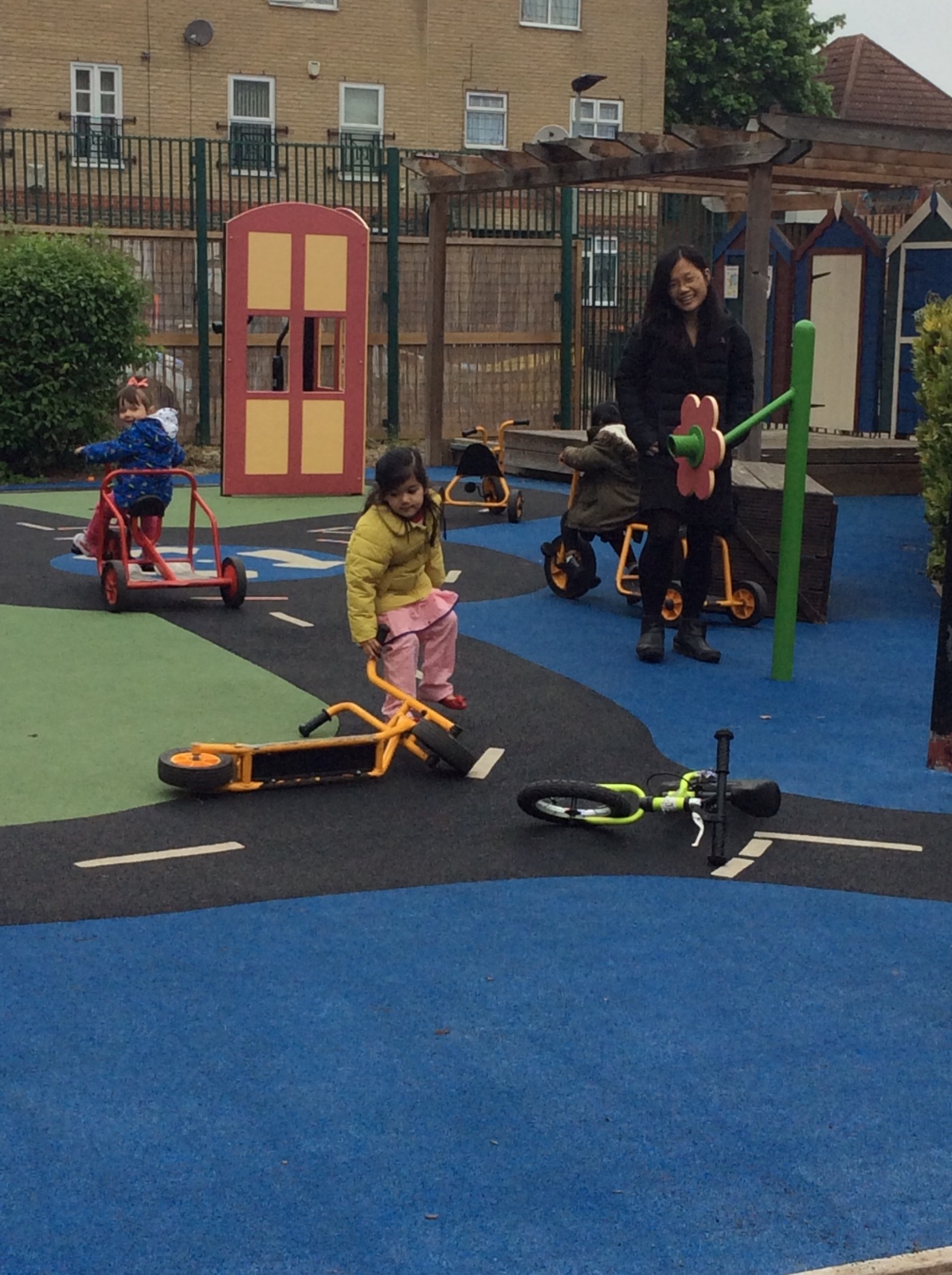
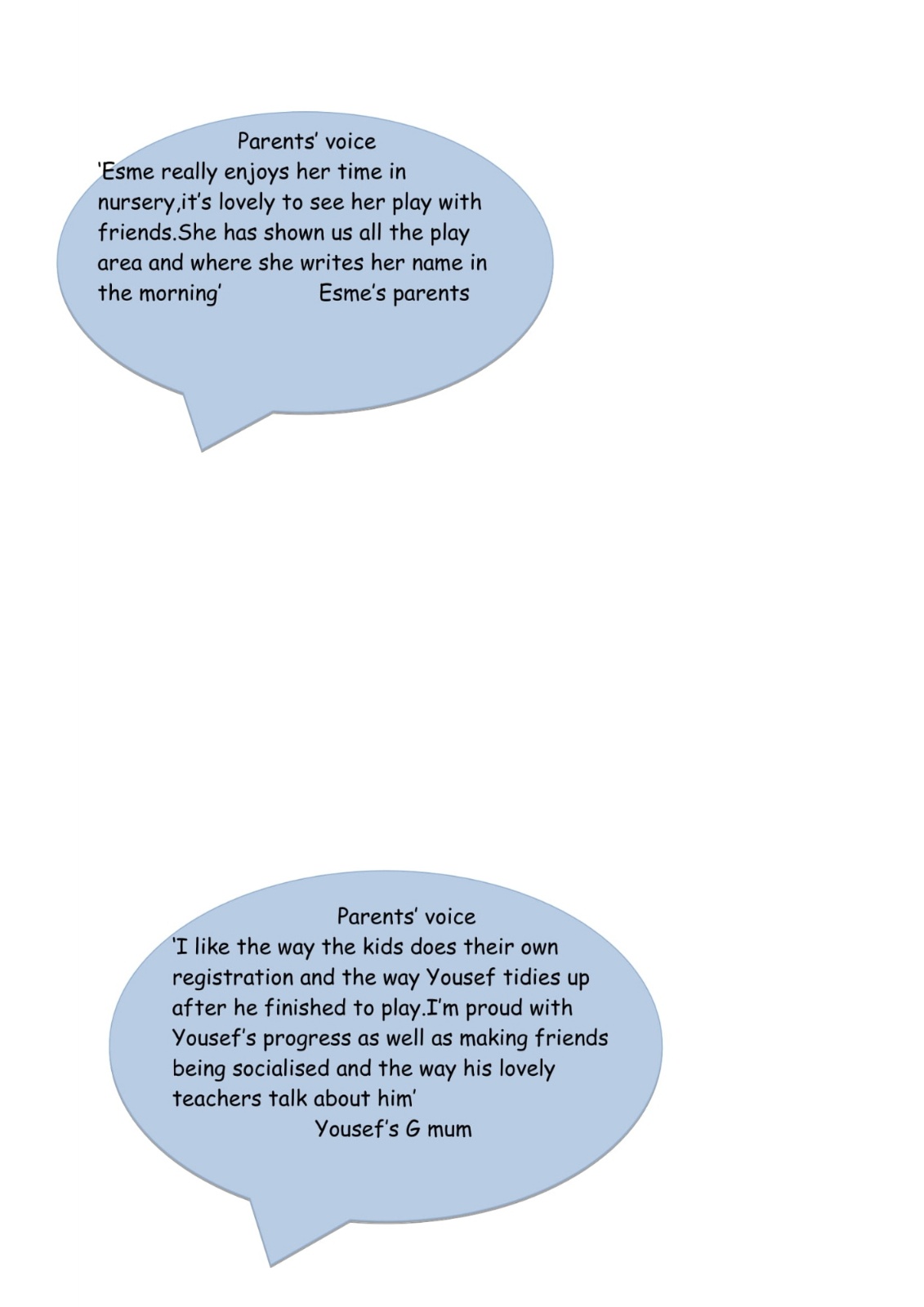
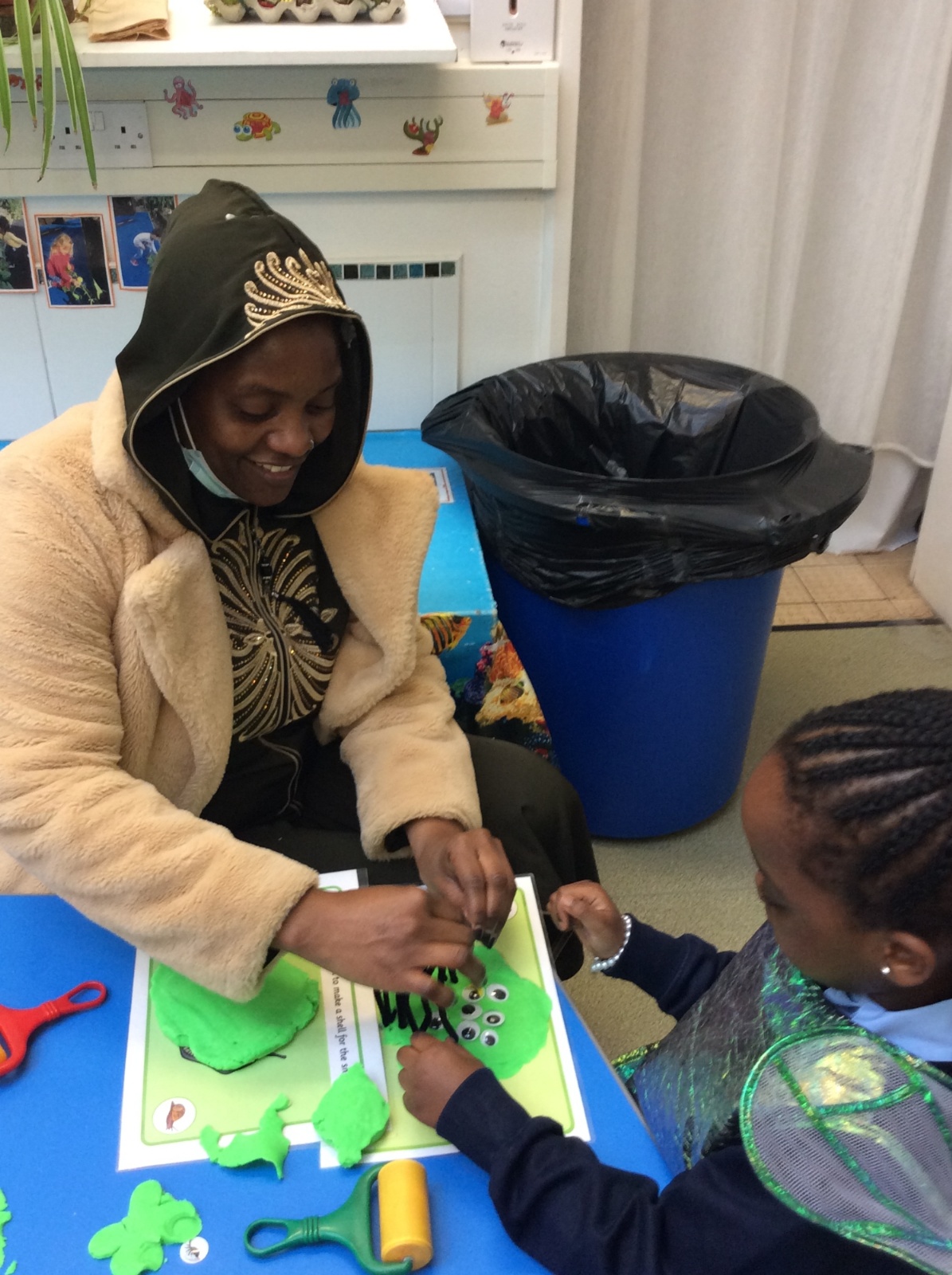
Thank you to all the parents and carers who came to our Stay and Play session and parents’ meeting, and for your feedback. Here’s what some of the children said about having their families in Nursery:
- “My mum likes nursery. She likes everything I do in the nursery.”
- “I like to play with my mum in nursery and draw pictures.”
- “I made a rocket with my daddy. Daddy helped me to fix my rocket.”
- “I like to show my book. Mummy is very happy.”
Nursery: Beckton Globe Library
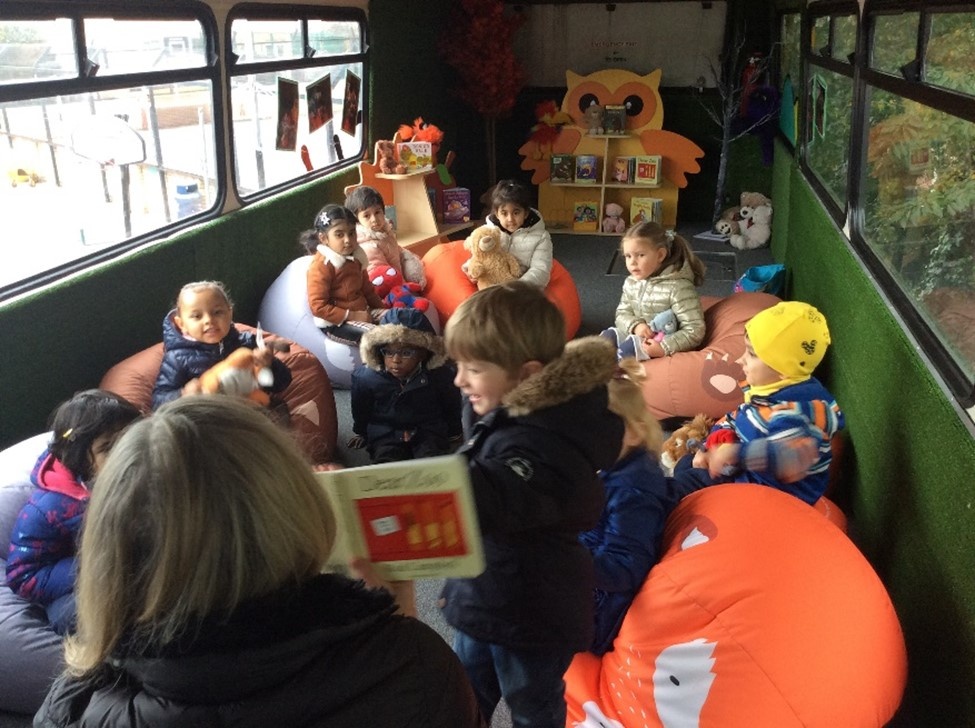
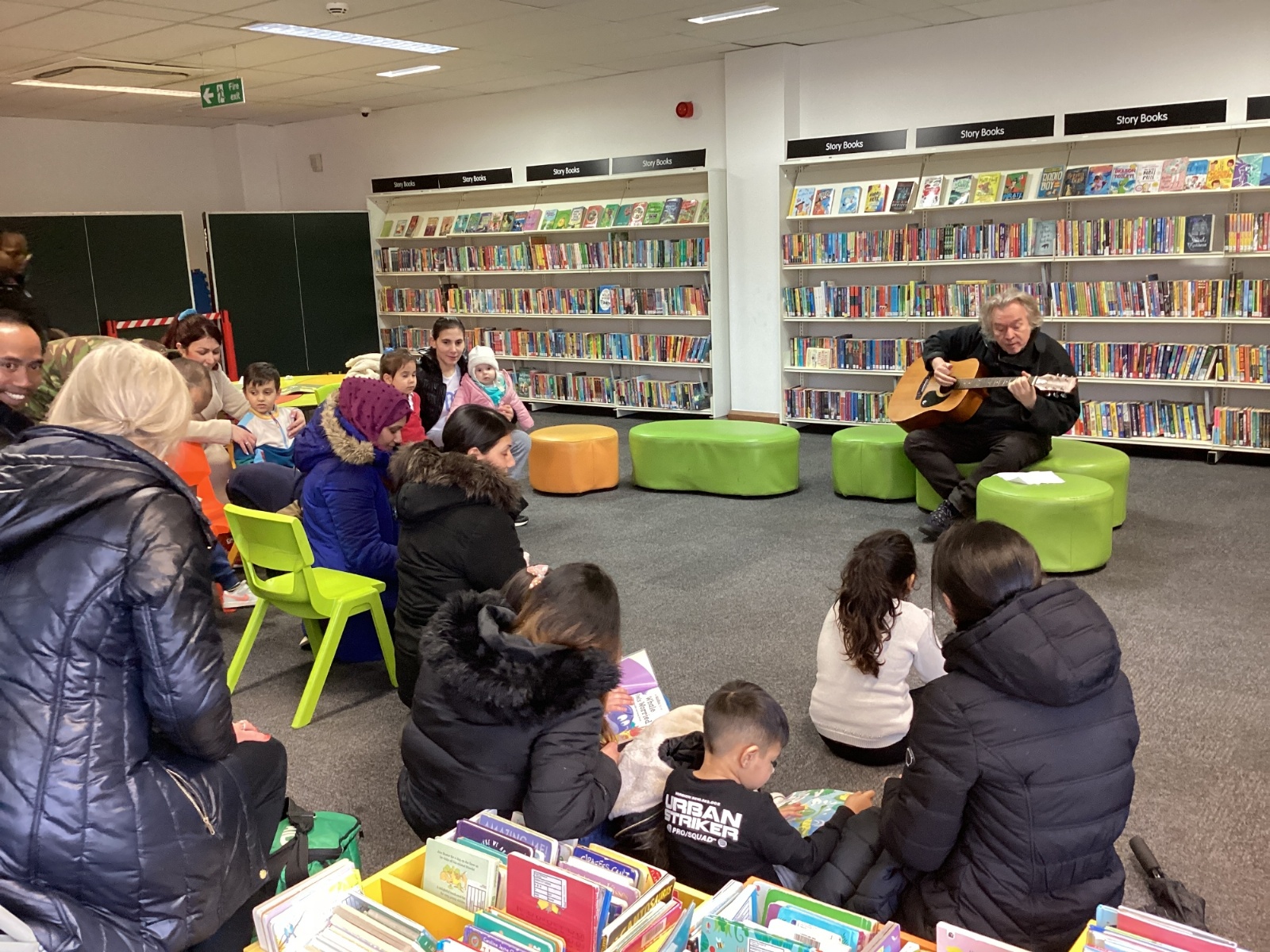
Nursery children and their parents visited Beckton Globe Library. We listened to a story, explored the library and chose books to take home and read together.
Nursery – Autumn: Stay and Play
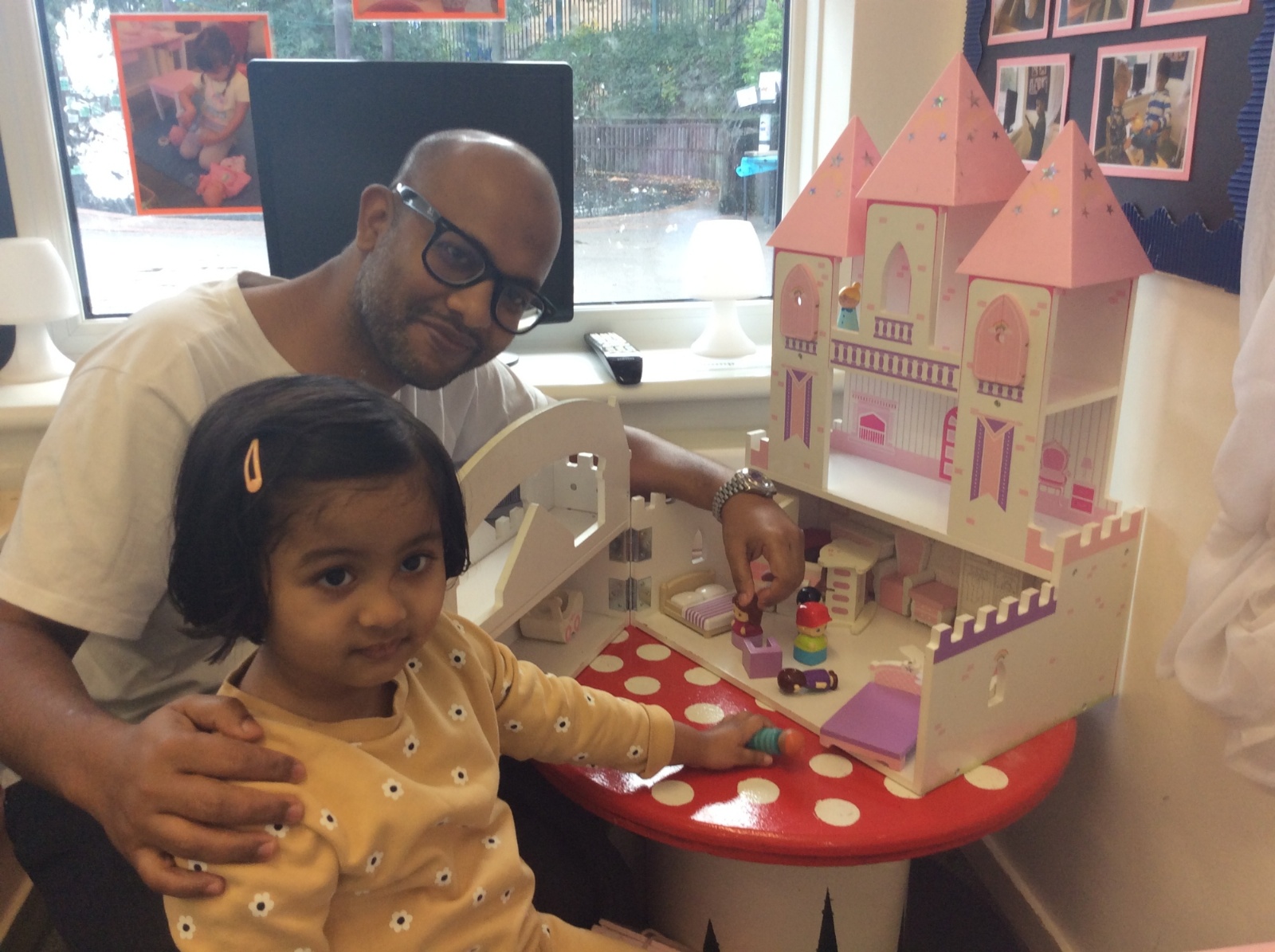
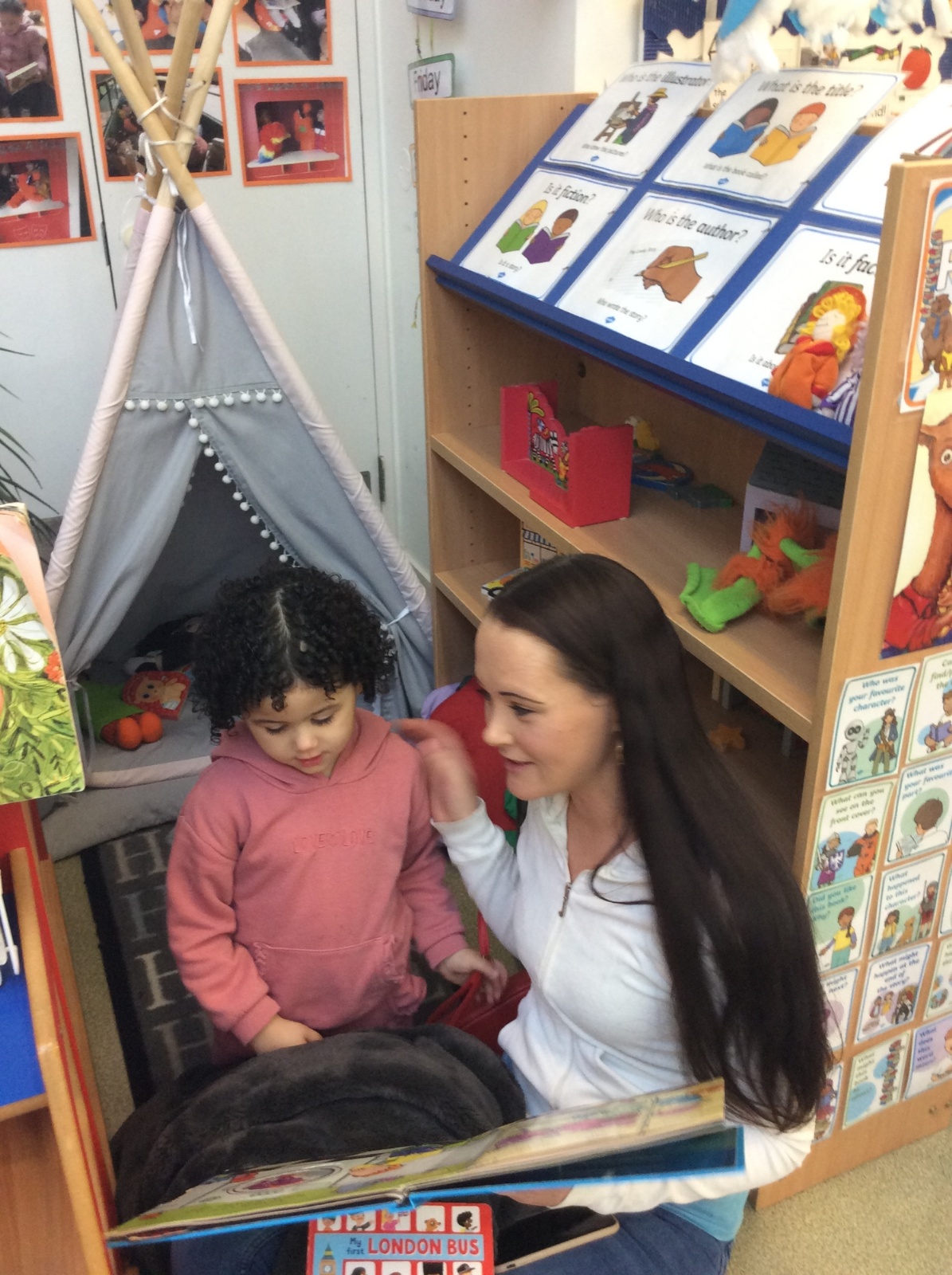
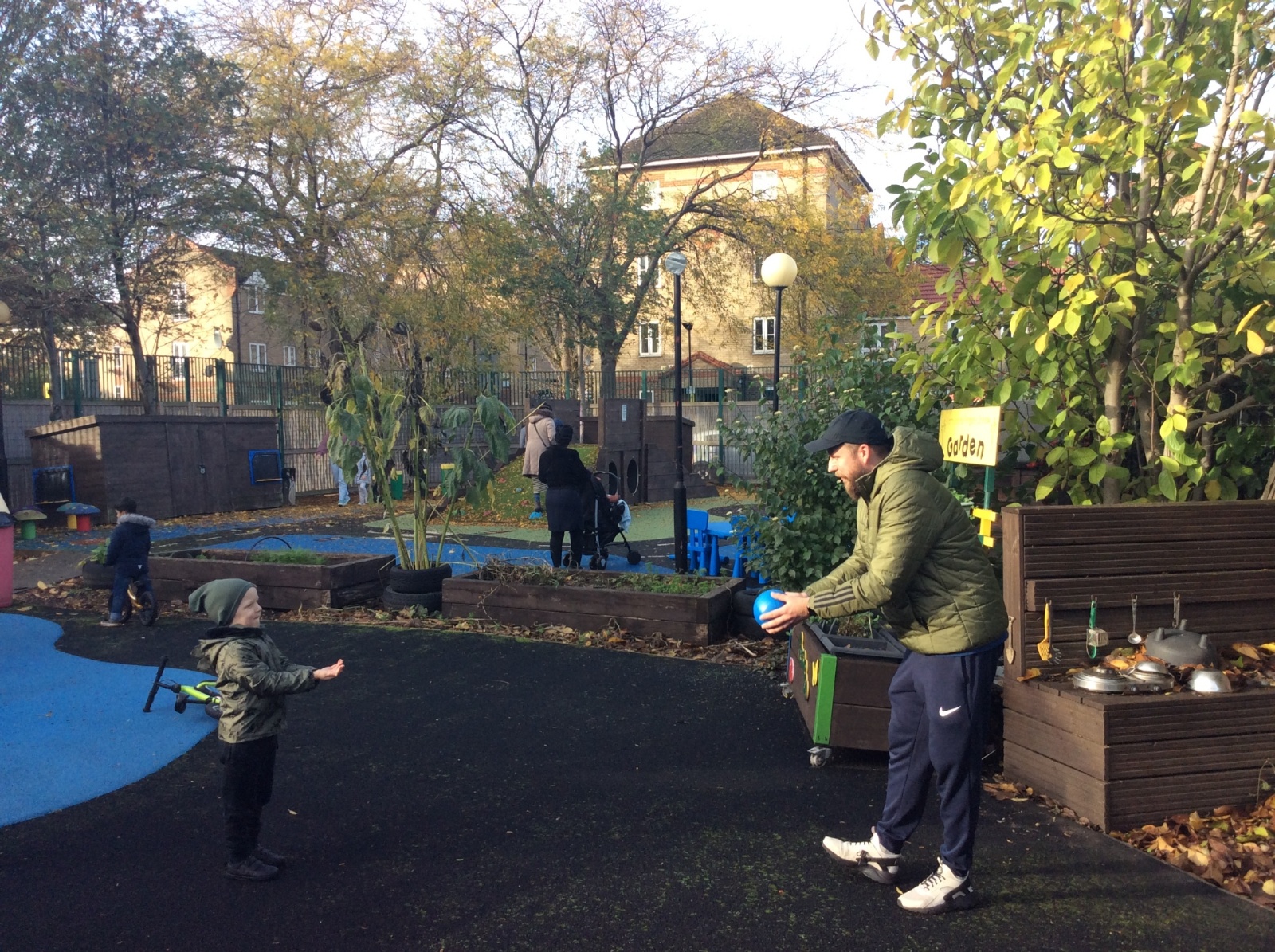
We hosted a special Stay and Play for our Nursery families, giving parents and carers a taste of what we do. We enjoyed indoor and outdoor play, phonics and maths games, and lots more!
Nursery – Spring: Home project
On their way to Nursery, the children looked at the different houses in Beckton – we can even see some from our Nursery playground. At home, they looked at their own homes and used junk modelling materials such as boxes, tubes, wrapping paper and bubble wrap to make models of their houses. We will display these amazing designs in Nursery.
Useful Documents
EYFS statutory framework
Sets the standards for the learning, development and care of children from birth to five. All early years providers must follow it.
Development Matters
Non-statutory guidance that supports practitioners to deliver a broad and balanced curriculum.
Birth to 5 Matters
Additional, research-informed guidance for early years practitioners.
EYFS Profile handbook
DfE guidance on the assessment made at the end of Reception.
What to Expect, When?
A guide for parents and carers about how children learn and develop in their first five years.